









Why Do Mosquitoes Bite Some People More Than Others? Here’s What You Can Do to Protect Yourself
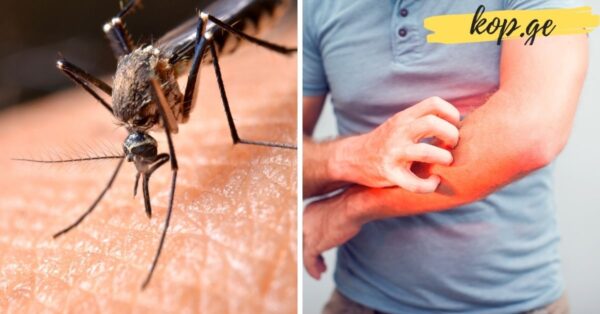
Have you ever wondered why mosquitoes seem to prefer some people over others? While you’re covered in bites, your friend next to you walks away untouched. This isn’t just your imagination—mosquitoes really do have preferences, and there are several scientific reasons why certain individuals are more attractive to them.
Though multiple theories exist, research has revealed a few key factors that make some people mosquito magnets. Surprisingly, only female mosquitoes bite humans. Why? They need the proteins found in blood to develop and lay eggs. Male mosquitoes, in contrast, feed on nectar and don’t bite at all.
So what exactly makes some people irresistible to mosquitoes? Let’s break it down.
🦟 How Do Mosquitoes Choose Their Targets?
Mosquitoes primarily rely on their sense of smell to find a host. Believe it or not, they can detect certain body chemicals and odors from as far as 30 meters (about 100 feet) away. They also use body heat, carbon dioxide, and even visual cues like clothing color to lock in on their target.
Here are the top 5 factors that influence mosquito attraction:
1. Blood Type
Blood type plays a major role in mosquito preference. Studies have shown that people with Type O blood are bitten nearly twice as often as those with Type A. Type B falls somewhere in the middle.
Around 85% of people secrete chemicals through their skin that reveal their blood type.
Mosquitoes are able to detect these secretions and are more drawn to secretors than non-secretors.
The remaining 15% of people are non-secretors, meaning they don’t emit these chemical cues—and are therefore less attractive to mosquitoes.
So if you’re Type O and a secretor, chances are you’re a mosquito’s dream meal.
2. Clothing Color
It might surprise you, but mosquitoes don’t just smell you—they can see you too. And certain colors make you stand out more.
Mosquitoes are especially drawn to dark colors like black, navy blue, and red.
Light colors, like white, beige, and yellow, are less visible to mosquitoes and can help you stay off their radar.
Wearing dark clothes in the summer isn’t just uncomfortable—it might make you a mosquito magnet.
3. Body Heat and Sweat
Mosquitoes are experts at detecting body heat, and they can sense warmer bodies from a distance. People who are more physically active or naturally run hotter tend to attract more bites.
Exercise increases body temperature, sweat production, and carbon dioxide output—all of which are signals for mosquitoes.
Sweat contains lactic acid, ammonia, and uric acid, which are highly attractive to mosquitoes.
Pregnant women are also frequent targets, as their body temperature is slightly elevated (on average by 0.6°C or 1°F), and they exhale more CO₂.
Even people with fevers or respiratory illnesses like the flu or COVID-19 may be more attractive to mosquitoes for the same reasons.
So if you’ve just finished a jog or you’re running warm, mosquitoes are more likely to find you first.
4. Skin Bacteria
Your skin is home to a complex ecosystem of bacteria, which contributes to your unique body odor. Mosquitoes are highly sensitive to the smells produced by these bacterial communities.
Researchers have found that people with a greater diversity of skin bacteria are less attractive to mosquitoes, while those with fewer types of bacteria but higher concentrations attract more bites.
The bacteria live primarily on the outer skin layer and in hair follicles, and no amount of scrubbing can eliminate them completely.
In other words, your natural body chemistry may be turning you into an all-you-can-eat buffet.
5. Carbon Dioxide Emissions
Mosquitoes are highly attracted to carbon dioxide (CO₂), the gas we exhale every time we breathe. They have specialized organs that allow them to detect CO₂ from long distances.
The more CO₂ you emit, the easier it is for mosquitoes to find you.
Larger individuals and those who are more active tend to breathe more heavily and produce more CO₂, making them more visible (or rather, smellable) to mosquitoes.
This explains why mosquitoes often bite adults more than children and why larger or more muscular individuals may get bitten more frequently.
🛡️ How Can You Protect Yourself from Mosquitoes?
Unfortunately, you can’t completely avoid mosquitoes, especially if you naturally have traits that attract them. But there are several preventive steps you can take to reduce your risk of getting bitten:
✅ Cover Up
Wear long-sleeved shirts and long pants, especially during peak mosquito hours (dawn and dusk).
Choose light-colored clothing, as it’s less attractive to mosquitoes.
✅ Use Insect Repellents
Apply EPA-approved repellents that contain DEET, picaridin, or lemon eucalyptus oil.
Reapply as directed, especially if you’re sweating or spending time near water.
✅ Avoid Peak Activity Times
Mosquitoes are most active during early morning and late evening.
Avoid being outdoors at these times if possible, especially in humid areas.
✅ Use Natural Oils
Essential oils like citronella, lavender, eucalyptus, and peppermint have mosquito-repelling properties.
These can be used in diffusers, candles, or applied topically (with carrier oil).
✅ Remove Standing Water
Mosquitoes lay their eggs in stagnant water. Check your yard or balcony for:
Birdbaths
Flowerpots
Gutters
Pet water bowls
✅ Consider Mosquito Nets and Screens
Use nets over beds and screens on windows and doors to keep mosquitoes out of your home.
🔍 Final Thoughts
While you can’t change your blood type or natural body chemistry, understanding what makes you attractive to mosquitoes can help you take steps to avoid being bitten.
By combining smart habits with effective repellents, you can significantly reduce your chances of becoming a mosquito’s next meal—even if you’re one of their favorite targets.