






When Your Head Hurts and Your Energy Is at Zero — Ways to Overcome a Hangover
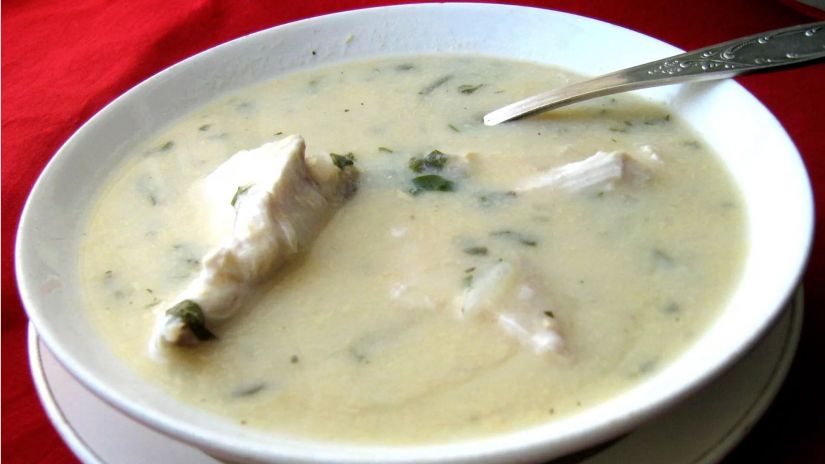
A hangover can make even the simplest day feel overwhelming. Your head throbs, your mouth feels dry, your stomach is unsettled, and your energy seems completely gone. While there is no magic cure that instantly fixes everything, people around the world have relied on simple, practical, and mostly folk remedies to help the body recover faster. The key idea is always the same: support your body while it heals itself.
Below are realistic, down-to-earth ways to feel better when a hangover hits.
1. Hydration Comes First — Always
One of the main reasons hangovers feel so intense is dehydration. Alcohol causes the body to lose more fluids than usual, which leads to headaches, dizziness, and fatigue.
The simplest and most effective step is drinking water — and plenty of it. Sip slowly but consistently throughout the day. Cold water may feel refreshing, while room-temperature water can be easier on a sensitive stomach.
Folk wisdom also recommends:
Mineral water to help replace lost electrolytes
Warm water with a pinch of salt and lemon
Herbal teas such as chamomile, mint, or ginger
Avoid drinking large amounts at once — small, frequent sips work better.
2. Light, Familiar Foods Help the Body Recover
When your stomach feels weak, heavy or greasy foods can make things worse. Traditional hangover meals across cultures focus on simple, nourishing foods.
Good options include:
Soup or broth (chicken, vegetable, or bone broth)
Boiled potatoes or rice
Toast or dry bread
Bananas, which help restore potassium
Honey, in small amounts, for gentle energy
In many cultures, soup is considered the best hangover remedy — and for good reason. Warm liquids hydrate, calm the stomach, and provide essential nutrients without overwhelming digestion.
3. Rest Is Not Laziness — It’s Recovery
A hangover is your body asking for rest. Pushing yourself too hard will only prolong the discomfort.
If possible:
Sleep longer than usual
Take short naps
Avoid intense physical activity
Even simply lying down in a quiet, dim room can reduce headaches and nausea. Folk advice often says, “Let the body finish what it started.” Recovery takes time, and rest helps speed it up.
4. Fresh Air and Gentle Movement
While heavy exercise is not recommended, light movement can improve circulation and reduce stiffness.
Helpful ideas:
A slow walk outside
Opening windows for fresh air
Gentle stretching
Fresh air can ease nausea and headaches, and natural daylight helps reset your body’s rhythm after a rough night.
5. Traditional Herbal Helpers
Across different regions, people have long relied on herbs to soothe hangover symptoms.
Common folk remedies include:
Ginger tea for nausea and stomach discomfort
Mint tea to calm digestion
Chamomile for relaxation and headaches
Lemon water to refresh and stimulate appetite
These are gentle, natural options that focus on comfort rather than quick fixes.
6. Headache Relief Without Overdoing It
Headaches are one of the most unpleasant hangover symptoms. While some people use pain relievers, folk methods often focus on natural relief:
Cold compress on the forehead or neck
Dark, quiet rooms
Gentle head or neck massage
Staying hydrated
If using medication, it’s important to follow safe dosage guidelines and avoid mixing substances.
7. What to Avoid
Just as important as what to do is what not to do.
Avoid:
Drinking more alcohol to “fix” the hangover
Strong coffee on an empty stomach
Very greasy or spicy foods
Energy drinks or excessive sugar
These may offer short-term relief but often make symptoms worse later.
8. The Folk Wisdom That Still Makes Sense
Many traditional sayings about hangovers come down to one idea: respect your body’s limits. Hangovers are not punishment — they are signals. The body is working hard to rebalance itself, and it needs support, not pressure.
Simple habits like hydration, warm food, rest, and patience have survived generations because they work.
Final Thoughts
There is no instant cure for a hangover, but there are ways to make the day easier. Practical, folk remedies focus on helping the body do what it already knows how to do: recover.
Water, light food, rest, fresh air, and gentle care may sound basic, but they are often far more effective than complicated “miracle” solutions. Listening to your body, taking it slow, and giving yourself time is the most reliable way to feel human again.
Sometimes, the best remedy is simply kindness toward yourself — and a glass of water close by.