







What is activated charcoal used for? A full overview of the situations in which it is commonly applied
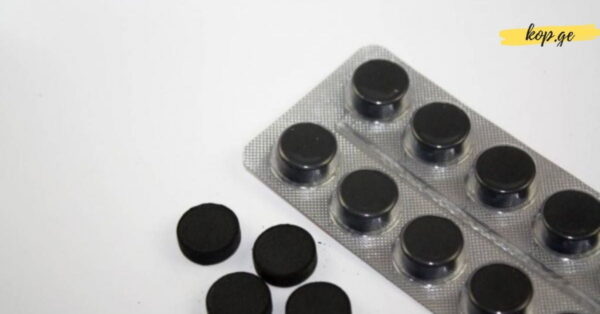
Many people explore different methods to support their well-being, and activated charcoal is one of the substances that often appears in discussions about wellness routines. Activated charcoal is a highly porous form of carbon processed at high temperatures to increase its surface area. Because of its ability to bind to a variety of substances, it has been used in different practical, cosmetic, and industrial contexts. Although scientific evidence varies depending on the specific use, activated charcoal continues to attract interest for its wide range of common applications.
Digestive Comfort and Gas Relief
A frequent reason people mention activated charcoal is its association with digestive comfort. Some studies suggest that charcoal may help reduce the feeling of gas or bloating in certain situations because of its porous structure, which can bind to gases within the digestive tract. Individuals who experience a sensation of fullness or discomfort sometimes report that these feelings become milder when charcoal is taken before a meal. Though this does not serve as a cure for digestive issues, it is one of the most widely referenced traditional uses.
Cholesterol and General Wellness Discussions
Activated charcoal is sometimes mentioned in conversations about cholesterol. Certain small-scale studies have explored whether charcoal can bind to various substances in the digestive system, potentially influencing cholesterol absorption. In one study, participants who consumed activated charcoal several times a day over a period of weeks experienced changes in LDL and HDL cholesterol levels. However, such findings remain limited in scope, and experts emphasize that individuals should always consult healthcare professionals before making decisions based on cholesterol-related concerns. Lifestyle choices, diet, and medical advice remain the core components of cholesterol management.
Supporting Kidney Function (General Context)
The kidneys are vital organs responsible for filtering the blood and removing waste substances. Every day they process large volumes of fluid, ensuring that the body maintains its internal balance. Because activated charcoal can bind to certain molecules, some people are interested in whether it can support general kidney function by binding to compounds like urea in the digestive system. Although charcoal has been investigated for potential roles in very specific medical contexts, general kidney health depends on hydration, balanced nutrition, and medical supervision, rather than any single supplement.
Foodborne Illness: Historical and Practical Context
Foodborne illness is extremely common worldwide, with millions of cases occurring each year. Activated charcoal has historically been referenced in situations involving accidental ingestion of certain substances because of its strong adsorptive capacity. In medical settings, activated charcoal is sometimes used under professional supervision for specific types of poisoning. However, its use in everyday cases of foodborne discomfort is not universally recommended, and people experiencing symptoms like severe vomiting, fever, or dehydration should seek professional medical guidance. Still, the popular belief that charcoal helps “absorb toxins” explains why many associate it with general digestive support.
Skincare Uses
Activated charcoal is also a popular ingredient in the beauty and skincare industry. Many facial cleansers and masks incorporate it because of its ability to bind to dirt, excess oil, and environmental impurities. People often report that their skin feels cleaner or smoother after using a charcoal-based product. The idea is that charcoal acts like a magnet for unwanted particles on the skin’s surface, making it easier to wash them away. Compared with some strong synthetic chemicals, charcoal is admired for being a naturally derived ingredient that is gentle enough for many skin types.
Hair Care Benefits
Just as charcoal is used on skin, it has also become trendy in hair care. Shampoos containing activated charcoal aim to help lift dirt, oil, and residue from hair follicles. Because pollutants and styling products can accumulate on the scalp over time, charcoal-based shampoos can give the hair a lighter, cleaner feel. The popularity of charcoal in hair products is often tied to its origin as a natural material and its ability to cleanse without heavy fragrances or harsh chemicals.
Teeth Whitening Trends
Activated charcoal has also become a widely discussed ingredient in do-it-yourself teeth-whitening routines. Videos and online tutorials often show people brushing their teeth with charcoal powder to reduce the appearance of stains. The idea is that the fine charcoal particles may bind to surface discolorations and help remove them during brushing. While many individuals enjoy the cosmetic effects, dental professionals emphasize that excessive use of abrasive materials may weaken enamel, so moderation and caution are important. Charcoal toothpaste remains a popular trend, especially among those seeking natural alternatives.
Anti-Aging Interest
Another area where activated charcoal appears in wellness discussions is anti-aging. Some people believe that regularly reducing exposure to certain environmental toxins can support overall vitality. Because activated charcoal can bind to various compounds, it is often mentioned as part of “detox” routines promoted in lifestyle communities. Although these concepts are not a replacement for medical guidance or evidence-based care, they reflect a cultural interest in minimizing exposure to pollutants, processed foods, and synthetic chemicals.
Hangover Discussions
Hangovers are a common problem after alcohol consumption, and some people talk about activated charcoal as a possible way to feel better the next day. Charcoal does not bind well to alcohol itself, but some individuals believe that it may bind to certain by-products of fermentation or impurities found in some beverages. Again, scientific support is limited, and hydration plus rest remain the primary components of recovery. Still, charcoal frequently appears in popular hangover-related home discussions because of its reputation as a general “absorber.”
Digestive System Cleansing and Modern Lifestyle
Modern diets often contain additives, preservatives, and environmental contaminants. People who feel that their digestive systems are overloaded sometimes turn to charcoal as part of a cleansing routine. The idea is that charcoal can bind to unwanted substances in the gut and support regularity. Although these concepts are widespread in wellness culture, any routine involving supplements should always be discussed with a healthcare provider to ensure safety and suitability for individual needs.
A Final Note of Caution
Before using any medication, supplement, or home remedy—including activated charcoal—it is essential to consult a qualified healthcare professional. Charcoal can interact with medications and may not be appropriate for everyone. Awareness, moderation, and professional guidance help ensure safe and informed choices.