




What Effect Does Bay Leaf Have on the Pancreas? Here Is What You Need to Know
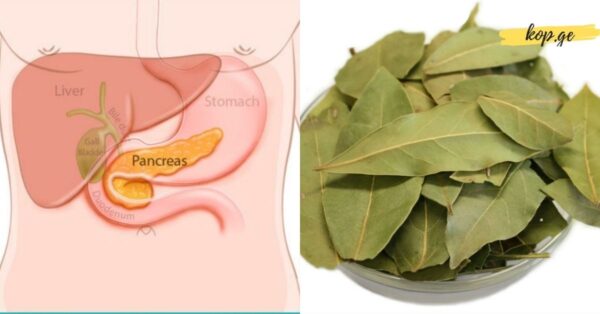
The pancreas is one of the most important organs in the human body, playing a central role in digestion and the regulation of blood sugar. Because of its essential functions, many traditional wellness practices include methods aimed at supporting pancreatic health. One such method is the use of bay leaves, a common culinary herb that has long been used in natural remedies. While bay leaves cannot cure diseases or replace medical treatment, they are often included in folk practices that aim to support overall digestive wellness.
Some traditional beliefs suggest that the end of summer or the beginning of autumn is an ideal time to focus on gentle internal cleansing and nourishing routines. Although this idea is not scientifically established, many people enjoy introducing warm herbal infusions during these transitional seasons.
Traditional Pancreatic Cleansing With Bay Leaf
The pancreas acts as a regulator of fats and carbohydrates in the body. It produces enzymes that help digest food and hormones, such as insulin, that maintain normal blood sugar levels. When people feel that their digestion is sluggish or when they want to support their body during times of dietary imbalance, some turn to natural infusions, including bay leaf tea, as part of a broader wellness routine.
It is important to emphasize that bay leaf infusions do not treat diabetes, pancreatic disease, or blood sugar disorders. However, bay leaves contain aromatic compounds and antioxidants that may support general digestive comfort and contribute to a calming, warming beverage.
In traditional practices, bay leaf infusions are used to promote a sense of internal balance and digestive ease. Below is the commonly shared folk recipe.
Traditional Bay Leaf Infusion
Ingredients
10 dried bay leaves
300 ml (about a cup and a half) of boiling water
Preparation
Place the 10 bay leaves in a thermos.
Pour the boiling water over the leaves.
Close the thermos tightly and leave it to steep overnight.
The next morning, strain the liquid to separate the leaves from the infusion.
According to traditional guidance, 50 ml (no more) of the infusion may be taken 30 minutes before meals. This practice is usually followed for about two weeks.
Again, this is a folk method used to support general wellness, not a medical treatment. Anyone with health conditions should consult a healthcare provider before trying herbal infusions, especially if blood sugar, digestion, or pancreatic function is a concern.
Why Testing Matters
In natural wellness traditions, people often check their bloodwork before beginning any new dietary habit. The purpose of doing a blood test before and after using a natural mixture is not to diagnose disease, but to observe how the body responds to a new routine. In modern practice, this is still a reasonable approach—but only under the supervision and interpretation of a qualified healthcare professional.
Changes in diet, herbal beverages, hydration, and daily habits can influence how a person feels, but blood sugar and pancreatic function are medical matters that require proper monitoring.
Supporting the Process With Diet
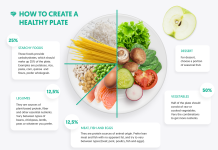
Traditional teachings frequently emphasize the importance of diet when supporting the pancreas. A gentle, balanced nutritional plan is often recommended, such as:
Low to moderate carbohydrates, especially avoiding highly processed sugary foods
Moderate healthy fats, such as those from nuts, seeds, and olive oil
Higher protein intake, including fish, legumes, eggs, and lean meats
This type of dietary pattern aligns with general modern nutrition advice for maintaining stable energy and supporting healthy digestion. Regardless of the method being used, food remains one of the primary tools for promoting overall wellness.
For people experiencing severe symptoms—such as sharp pain, persistent digestive issues, nausea, or abnormal blood sugar—it is essential to consult a doctor immediately. Natural remedies should never replace professional care.
About Bay Leaf in General Wellness
Bay leaf is widely known for its culinary value, adding depth of flavor to soups, stews, and sauces. Beyond cooking, bay leaves have been used in herbal traditions for centuries. They contain essential oils, antioxidants, and aromatic compounds such as cineole and eugenol. These compounds may contribute to a soothing effect and may support digestion, which is why bay leaf tea is popular in many cultures.
In folk traditions, bay leaf is believed to:
support digestive comfort
promote a sense of relaxation
contribute antioxidants
assist in maintaining overall wellness
These effects make bay leaf a gentle addition to herbal routines. However, scientific evidence on bay leaf’s direct effect on the pancreas is limited, so expectations should remain grounded.
A Note From kop.ge
Kop.ge is a platform dedicated to providing guidance on health, self-care, and everyday lifestyle improvement. Our goal is to offer information about natural remedies, home practices, and simple recipes that may help you improve your well-being, enhance your daily life, and save money by relying on accessible ingredients that are often already in the kitchen or garden.
We believe that many traditional methods can complement a modern lifestyle when used responsibly. Many of the tips and recipes you encounter may become part of your everyday habits, and you may even find yourself sharing them with family and friends.
While none of the natural recipes shared on our platform are harmful when used properly, we always recommend consulting a healthcare professional before using any remedy intended for health purposes—especially if you have chronic conditions, take medication, or experience strong symptoms.