



Use These Folk Remedies to Treat Cholecystitis – They Are Effective!
Cholecystitis is an inflammation of the gallbladder, a small pear-shaped organ located just beneath the liver. The gallbladder serves as a storage reservoir for bile, a digestive fluid produced by the liver and transported through bile ducts. Bile plays a crucial role in digesting fats and aiding overall digestion. When the gallbladder becomes inflamed, this normal process is disrupted, leading to discomfort and potentially serious health complications.
There are several possible causes of cholecystitis. One of the most common is the presence of gallstones, which can block the bile ducts and cause bile to accumulate, leading to inflammation. Any condition that results in bile stagnation may contribute to the development of the disease. Hormonal changes during menopause, endocrine disorders, and both acute and chronic gastrointestinal tract diseases can also increase the risk. Infections and metabolic disturbances may further complicate the condition.
Cholecystitis can be classified as either acute or chronic.
Acute cholecystitis develops suddenly and is typically marked by intense symptoms. The primary symptom is sharp pain in the right upper abdomen (under the right rib cage) and in the epigastric region. This pain may radiate to the right shoulder or shoulder blade. Fever is another significant symptom, with body temperature often rising to 39–40°C (102–104°F). The fever may persist for several days before gradually subsiding. A key clinical sign is pronounced tenderness when pressing on the right upper abdomen.
During an acute episode, patients may experience abdominal bloating, nausea, vomiting, constipation, and dryness of the tongue. The abdomen may feel tense, and general weakness is common. Acute cholecystitis requires prompt medical evaluation, as complications such as infection or rupture can occur.
Chronic cholecystitis often develops after repeated episodes of acute inflammation. In chronic cases, the main complaint is persistent pain in the liver or gallbladder area. The pain is usually dull and long-lasting, occasionally intensifying during flare-ups. Jaundice is generally absent unless there has been secondary damage to liver tissue, which sometimes occurs.
People with chronic cholecystitis frequently suffer from digestive disturbances. These may include dyspepsia (indigestion), a tendency toward constipation that is sometimes alternated with diarrhea, and functional changes in pancreatic enzyme production. Body temperature is typically normal or only slightly elevated.
Significant disturbances of the nervous system may also be observed. Patients often become irritable, suffer from insomnia, and report persistent low mood or fatigue. Despite these challenges, the prognosis for chronic cholecystitis is generally favorable. The disease tends to progress slowly, with periodic exacerbations, and many patients eventually experience substantial improvement or recovery with proper management.
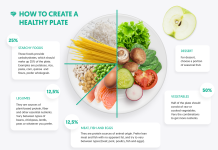
Treatment primarily focuses on dietary regulation and supportive care. Warm compresses, heating pads, and other local heat procedures are often recommended to ease discomfort. A vegetarian diet rich in vitamin C is considered beneficial. It is advisable to eliminate egg yolks and butter from the diet and avoid fatty, fried, or heavy foods. Because the gallbladder is directly involved in fat digestion, reducing fat intake significantly eases its workload.
At the same time, associated conditions such as pancreatitis or achylia (lack of stomach acid) should be treated, as these may worsen digestive symptoms and delay recovery.
Cholangitis is another related condition. It refers to inflammation of the bile ducts, whether inside or outside the liver. It often develops as a secondary complication of gallstone disease or cholecystitis. Cholangitis typically arises when various microorganisms infect the bile ducts, most commonly Escherichia coli (E. coli).
There are two main forms of cholangitis: catarrhal (inflammatory without pus) and purulent (with pus formation). Patients commonly complain of digestive disturbances, reduced appetite, nausea, occasional vomiting, pain, and a feeling of heaviness in the right upper abdomen. Jaundice may appear but is usually temporary.
Treatment of cholangitis must first address the underlying infection, often requiring medical supervision and appropriate antimicrobial therapy.
In addition to medical treatment and dietary adjustments, traditional folk remedies have long been used to support gallbladder health. While these remedies should not replace professional medical care—especially in acute cases—they may complement conventional treatment when used responsibly.
Here are several traditional remedies:
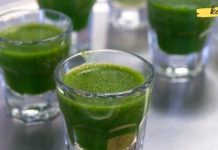
• For cholecystitis, drink 50 ml of sauerkraut juice 3–4 times daily. The natural fermentation process is believed to stimulate digestion and bile flow.
• For cholecystitis and inflammatory conditions of the gallbladder, liver, or kidneys, boil 10 grams of hops in 1 cup of water. Let it steep for 1 hour, strain, and take 1 tablespoon three times daily. Alternatively, a tincture can be prepared using 25 hop cones in 2 liters of vodka or alcohol.
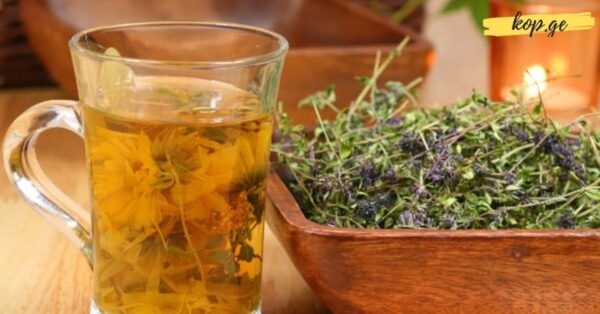
• For cholecystitis, pour 1 cup of boiling water over 1 tablespoon of peppermint leaves. Let it infuse for 30 minutes. Drink in small sips 3–4 times daily. Peppermint may help relax bile ducts and reduce spasms.
• Take 10 grams of crushed barberry berries, place them in an enameled container, add 1 liter of cold water, and boil in a water bath for 20 minutes. Strain and drink 1 cup in the morning and evening for one month.
• Prepare an herbal mixture consisting of 20 g dandelion roots, 10 g flax herb, 5 g celandine, 10 g peppermint, 20 g goose grass, and 10 g yarrow. Pour 1 cup of boiling water over 1 tablespoon of the mixture and let steep for 30 minutes. Drink 2 cups three times daily, one hour after meals.
• In cases of moderately severe cholecystitis or cholecystoangiocholitis with increased acidity, pour 200 ml of boiling water over 2 teaspoons of birch leaves. Let stand for 1 hour, strain, and add a pinch of baking soda. Drink 50 ml 3–4 times daily, 30 minutes before meals. The course of treatment lasts 40 days.
These traditional remedies are based on long-standing herbal practices. However, it is important to consult a healthcare professional before beginning any herbal treatment, particularly if you have gallstones, severe symptoms, or other chronic conditions. Natural does not always mean safe, and proper diagnosis is essential.