





Urinary Incontinence, Frequent Urination, and Bladder Irritation: Causes, Symptoms, and Home Remedies
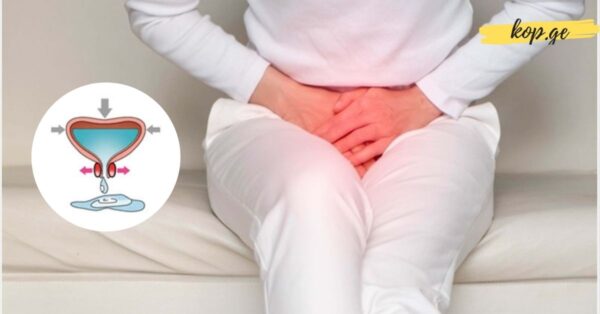
Urinary incontinence, frequent urination, and bladder irritation are common issues that can affect people of all ages, from children to the elderly. These conditions can significantly impact daily life, causing discomfort, social embarrassment, and even psychological stress. Understanding their causes and effective home-based strategies can help manage these problems and improve overall well-being.
Understanding Urinary Incontinence
Urinary incontinence is defined as the involuntary leakage of urine. It occurs when the bladder’s normal control mechanisms fail, leading to the unintentional release of urine. This condition can occur both during the day and at night and may sometimes be accompanied by fecal incontinence. While it is often chronic and prone to recurrence, it can be effectively managed with proper care, lifestyle adjustments, and natural remedies.
In children, urinary incontinence often resolves with age and rarely persists into adulthood. However, in adults—especially women after childbirth, during menopause, or older individuals—this condition can become more persistent due to hormonal changes, weakened pelvic floor muscles, or neurological factors.
Common Causes
Neurological factors: Nerve damage or conditions affecting the brain or spinal cord can interfere with bladder control.
Hormonal changes: Women are particularly susceptible after childbirth or during menopause.
Weak pelvic floor muscles: Aging or physical strain can weaken muscles responsible for controlling urine flow.
Excessive fluid intake or irritants: Certain foods and drinks can irritate the bladder.
Urinary tract infections (UTIs): Infections can increase urgency and frequency of urination.
Symptoms to Recognize
Involuntary leakage of urine
Frequent urges to urinate, sometimes multiple times an hour
Nighttime urination disrupting sleep
Pain or irritation in the bladder or lower abdomen
In severe cases, accidental fecal leakage
Dietary and Lifestyle Considerations
Diet and fluid management play a key role in controlling urinary incontinence and bladder irritation. Certain foods can exacerbate symptoms and should be limited or avoided:
Spinach and leafy greens
Watermelon and other high-water-content fruits
Grapes, especially overripe
Cucumbers and other high-liquid vegetables
It is also important to manage fluid intake:
Limit fluids before bedtime to reduce nighttime urination
Drink moderate amounts throughout the day to stay hydrated without overloading the bladder
Include regular bladder-friendly routines such as morning and evening water therapies (gentle warm compresses or hydrotherapy for the lower abdomen)
Natural Remedies and Herbal Treatments
Several herbal and home-based remedies have been traditionally used to manage frequent urination, bladder irritation, and incontinence. These remedies can support bladder health, reduce inflammation, and strengthen urinary control.
1. Oak Bark Decoction
Ingredients: 1 gram of crushed oak bark, 1 cup of boiling water
Preparation: Place the crushed oak bark in boiling water and simmer on low heat for 15 minutes. Allow to steep for 30 minutes, then strain.
Usage: Drink one tablespoon three times a day for general bladder irritation and frequent urination. For painful bladder spasms, sip small amounts 3–4 times daily, 30 minutes before meals.
2. Pine Needle Tea
Ingredients: 1 tablespoon of pine needles, 1 cup of boiling water
Preparation: Pour boiling water over the needles and simmer on low heat for 5 minutes. Let it steep for 1 hour, then strain.
Usage: Drink one tablespoon 2–3 times daily, 30 minutes before meals. This remedy is particularly effective for urinary tract inflammation such as cystitis.
3. Ash Leaf and Flower Decoction
Ingredients: 1 liter of water, 30 minutes simmering on low heat, 2 tablespoons of ash flowers
Preparation: Simmer crushed ash fruits in water for 30 minutes. Add the flowers, bring to a boil briefly, then remove from heat and strain.
Usage: Drink one cup of the cold decoction twice daily for frequent involuntary urination.
4. Oak Leaf Powder
Ingredients: 1.5–2 grams of crushed oak leaves, water for sipping
Usage: Take the powder with small sips of water three times a day, 30 minutes before meals. This remedy helps strengthen bladder control and reduce incontinence.
Additional Recommendations
Maintain a consistent sleep schedule: go to bed before 10 PM and wake up by 7 AM.
Include daytime rest between 1–3 PM to help overall bodily recovery.
Avoid heavy physical activity or lifting weights that strain the pelvic region. Gentle walks in fresh air are recommended instead.
Avoid excessive caffeine, alcohol, and other bladder irritants.
Practice pelvic floor exercises (Kegels) regularly to strengthen urinary control.
Important Notes
While these natural remedies are generally safe, it is essential to consult a healthcare professional before starting any herbal or home-based treatment, especially in cases of severe incontinence or if symptoms persist. Early medical evaluation can rule out underlying conditions such as infections, neurological disorders, or diabetes that may exacerbate bladder issues.
Natural remedies can complement medical treatment, improve quality of life, and reduce the frequency of symptoms when used consistently and correctly. With proper care, dietary adjustments, and herbal support, it is possible to manage urinary incontinence, frequent urination, and bladder irritation effectively at home.