








This person developed what many refer to as “salt deposits” on the neck… read this article and learn how to ease discomfort!

In everyday language, the phrase “salt deposits in the neck” is commonly used to describe a condition known as cervical osteochondrosis. This condition involves degenerative changes in the cervical spine. Since the neck area is one of the most important and delicate regions of the body—connecting the brain to the rest of the system through nerves, blood vessels, and supporting structures—any disruption in this area can affect overall well-being.
The neck contains numerous blood vessels and nerve pathways that nourish the tissues of the neck, face, and skull. When the cervical spine is affected by osteochondrosis, many unpleasant symptoms can appear. These may include:
Headaches
Discomfort radiating from the neck to the shoulder, arm, or fingers
Tingling or numbness in the arms
Muscle weakness and fatigue
Dizziness
Ringing in the ears
Reduced vision or hearing
Nausea or even vomiting in more severe cases
While medical evaluation and guidance are always recommended for proper diagnosis and treatment, traditional home remedies have long been used in various cultures to provide comfort and reduce tension in the neck area. Below is a folk remedy that some people use to help relieve stiffness and discomfort associated with cervical osteochondrosis.
A Traditional Remedy for Neck Discomfort
How to Prepare the Mixture
To make this traditional compress, you will need fresh kitchen ingredients. The preparation is simple:
1 medium potato, peeled and grated
1 tablespoon honey
1 tablespoon melted butter (ghee or clarified butter may also be used)
1 tablespoon salt
4–5 cloves of grated garlic
1 teaspoon grated ginger
4–5 grated radishes
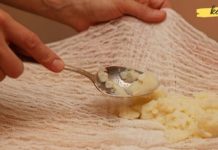
Mix all the ingredients thoroughly until a uniform paste forms. Spread the mixture evenly onto a layer of gauze or cheesecloth.
This combination of ingredients is often used in folk medicine for its warming, aromatic, and invigorating qualities. Garlic, ginger, radish, and salt are believed to create a heating effect, while potato and honey contribute moisture, making the compress more comfortable against the skin.
How to Apply the Compress
Place the prepared compress on the back of your neck. Cover it with a piece of parchment paper or plastic wrap to help retain warmth. Then wrap your neck with a scarf or cloth to keep the area insulated.
Leave the compress on for about 2 hours. After removing it, gently clean the skin with a warm towel to remove any residue. Some traditions recommend applying pine oil or another soothing oil afterward to condition the skin and enhance the feeling of warmth.
The typical suggested course of this folk remedy is once a day for 7–10 days.
Many people who use traditional remedies report a sense of warmth, loosening of tight muscles, and a temporary feeling of relief. While such remedies may soothe tension, it is important to remember that they do not replace professional care for chronic or serious conditions.
Why Do People Use This Method?
In various cultures, compresses have been used for centuries as a simple way to warm stiff muscles, stimulate circulation, and ease discomfort. The combination of root vegetables, salt, and aromatic ingredients is believed to help the body relax and release tension accumulated from poor posture, stress, or prolonged sedentary work.
People who spend long hours at a desk or working on computers often develop neck stiffness. A warm compress can encourage blood flow and bring a comforting sensation to the affected area. Although the idea of “salt deposits” is not medically precise, the feeling of tightness or stiffness often motivates individuals to seek gentle home-based relief.
Some users of this remedy report that headaches lessen, neck mobility improves, or muscle tightness becomes less noticeable after a few applications. These observations largely come from personal experience and traditional wellness practices rather than clinical research.
Important Considerations
You may occasionally feel slight tiredness, mild dizziness, or warmth in the treated area after using a compress. This is usually due to increased circulation or muscle relaxation. However, if you feel persistent irritation, redness, or discomfort, it is best to stop the remedy and allow your skin to rest.
Traditional compresses are usually well tolerated, but anyone with sensitive skin, allergies, chronic medical conditions, or circulatory problems should consult a healthcare professional before trying new treatments.
It’s also worth remembering that cervical osteochondrosis—like many spine-related issues—may require a combination of medical guidance, physical therapy, posture correction, regular exercise, and ergonomic adjustments. Home remedies can complement these steps but should not replace them.
A Few Words About Wellness and Self-Care
Neck health is deeply connected to body posture, stress levels, sleep quality, and daily habits. Preventive care, such as stretching, gentle neck exercises, and taking breaks from prolonged sitting, can significantly reduce the risk of discomfort. Even simple changes—like adjusting desk height, choosing a supportive pillow, or improving hydration—may positively influence spinal health.
The traditional remedy described above is just one of many natural approaches people use to support their comfort at home. It reflects the broader philosophy that simple, accessible ingredients can sometimes offer relaxation and relief.
Kop.ge is a platform that shares advice on health, self-care, and everyday living. Our goal is to provide information about natural recipes, simple techniques, and practical methods that can help you improve your well-being, enhance your beauty routines, and simplify daily tasks.
Most of the suggestions found on our site use common household ingredients or accessible materials. You do not need expensive procedures or products to take good care of yourself; many solutions can be found in your kitchen or garden.
While the remedies we share are generally safe when used responsibly, we always encourage readers to consult a healthcare professional before starting any new treatment—especially if you have underlying health concerns.