





This Is Why I Dry Currant Leaves Every Year — They Are Known in Folk Medicine for Supporting Many Health Conditions!
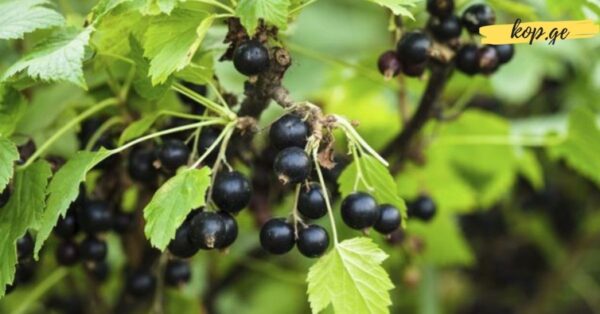
For generations, black currant leaves have held a place of honor in traditional herbal medicine. People have used them in teas, infusions, and decoctions to support overall wellbeing and to ease a wide range of health complaints. Although modern scientific research is still exploring many of these traditional claims, black currant leaves remain popular due to their pleasant aroma, nutritional value, and long history of use in natural healing practices.
In folk traditions, black currant leaf tea has often been used to support the body during colds, gout, rheumatism, bladder irritation, kidney discomfort, and even certain skin problems. Some herbal healers also prepared infusions to help the body eliminate excess uric acid or reduce swelling. These remedies were handed down from one generation to another and continue to be cherished in many households.
Below, you will find an expanded explanation of the traditional uses of black currant leaves, along with preparation methods and safe harvesting tips. This article reflects historical and folk practices and is not a substitute for medical advice—but it showcases why so many people still collect and dry currant leaves every year.
Traditional Benefits Attributed to Black Currant Leaves
Black currant leaves contain natural compounds, vitamins, antioxidants, and tannins. In traditional herbal practices, they are believed to help the body in multiple ways:
1. Supporting Healthy Cholesterol Levels
Herbal traditions suggest that currant leaf tea may help cleanse the blood and support healthy blood vessel function. Some people drink it to promote circulation and overall cardiovascular wellbeing.
2. Contributing to Bone and Dental Health
Because currant leaves contain minerals, older herbalists believed they could support bone formation and strengthen tooth enamel.
3. Supporting the Nervous System
Many herbal enthusiasts claim that black currant leaves have a calming effect. In stressful situations or during emotional strain, warm currant-leaf tea is often used as a soothing drink.
4. Participating in Metabolic Processes (Traditional View)
Traditional herbal texts associate currant leaves with better protein synthesis, glucose metabolism, nutrient transportation, and overall energy regulation. Although such claims remain unproven, these ideas are deeply rooted in folk medicine.
5. Supporting Kidney and Urinary Tract Health
In many cultures, currant leaf infusions were used to help flush the urinary system. People believed they could prevent kidney stones, reduce swelling, and support bladder health.
6. Assisting Detoxification
Herbalists often describe currant leaves as a gentle cleanser that may help remove unwanted substances from the body. These uses are traditional rather than scientifically confirmed.
7. Supporting Women’s Health
Currant leaf tea has long been used as a comforting drink during menopause or during hormonal changes, providing relaxation and mild support.
8. Aiding Breathing Comfort
Owners of herbal knowledge sometimes used currant leaf mixtures during bronchial or respiratory discomfort, as part of soothing herbal blends.
9. Helping Normalize Nervous System Function (Traditional Belief)
Because currant leaves have calming properties, they were believed to support mental clarity and emotional balance.
10. Helping the Body Eliminate Excess Uric Acid
Folk medicine often mentions that currant leaf tea may help the body get rid of excess uric acid—one of the reasons it is used during joint discomfort or gout-like symptoms.
Although these statements belong to traditional herbal lore, many people still enjoy currant leaf tea today for its gentle flavor and comforting aroma.
How to Prepare Black Currant Leaf Remedies
1. Currant Leaf Infusion
This is one of the most popular methods.
How to make it:
Pour boiling water over fresh currant leaves.
Let the mixture sit for about 1 hour at room temperature.
Strain and drink.
Traditional uses:
Infusions were often consumed to help the body eliminate purines and uric acid, to support metabolic balance, or as a soothing drink during colds or general weakness.
2. Currant Leaf Decoction
A decoction is stronger than an infusion and is made from dried leaves.
Preparation:
Pour 300 ml (about 1¼ cups) of boiling water over 50 grams of dried currant leaves.
Simmer for 20 minutes.
Strain and drink warm.
Traditional purposes:
Decoctions were commonly used for kidney and bladder discomfort, swelling, and digestive support. Some families prepared it regularly to help cleanse the digestive tract of harmful microorganisms.
3. Black Currant Leaf Tea
This mild tea is more delicate than a decoction and is often enjoyed daily.
How to prepare:
Pour one cup of boiling water over 1 tablespoon of chopped leaves.
Add the mixture to a teapot and pour two more cups of boiling water over it.
Let it steep for 20 minutes, then strain.
Many people drink this tea with honey or sugar.
Traditional uses:
It is often recommended for women’s health, general fatigue, and improving daily vitality.
How to Harvest and Dry Black Currant Leaves Properly
The best time to harvest black currant leaves is usually June, when the leaves are fresh, aromatic, and rich in natural compounds.
Here are the guidelines used traditionally:
1. Choose Middle Leaves
The most beneficial leaves are the middle ones—neither very young nor very old.
2. Inspect Each Leaf Carefully
A good leaf should be free of spots, insects, fungus, or damage.
3. Wash and Dry
After collecting, rinse the leaves thoroughly to remove dust.
Dry them in the shade on a clean cloth, spreading them in a thin layer.
4. Wait Until They Become Crisp
Leaves should be completely dry—light, brittle, and slightly fragrant.
5. Store Properly
Place dried leaves in a cotton bag or an airtight glass jar.
Store them in a cool, dry place.
During winter, your carefully collected currant leaves can be used to prepare teas and infusions that offer comfort and warmth.
And if you haven’t collected them yet—don’t worry. It’s never too late to start a new seasonal habit.