





Here’s Why Georgian Women Should Always Keep Onions at Home — Apparently, Every Room Needs One!
Onions are among the simplest and most common ingredients found in almost every Georgian kitchen, yet few people stop to consider just how many traditional uses they have outside of cooking. For generations, onions have been valued not only for their flavor but also for the various home remedies and household solutions associated with them. Although modern science treats many such claims cautiously, these old techniques continue to fascinate people who appreciate natural, inexpensive approaches to everyday problems.
Below, we explore the most interesting traditional uses of onions, while also noting that these methods reflect folk wisdom rather than medically proven treatments. Still, they reveal just how resourceful people can be when using ordinary items found at home.
Traditional Uses of Onions in Home Remedies
1. Using Onions for Ear Pain Relief
A well-known folk method suggests that onions may help soothe ear discomfort. According to tradition, the onion is sliced and placed inside a clean sock or cloth pouch. This warm, slightly aromatic compress is then held against the painful ear and wrapped in place. The belief is that the natural compounds released by the onion may help reduce discomfort over time. Once the pain lessens, the onion is removed.
While some people find warmth soothing during mild earaches, it is important to remember that ear pain can stem from infection or other medical conditions that require professional treatment. Thus, such home techniques should be used with caution and never as a replacement for proper medical evaluation.
2. Onion Mixture for Cough Relief
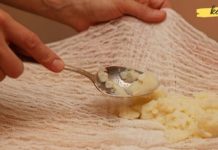
Another old remedy calls for using onions to ease coughing. The method is simple: a peeled onion is cut in half, sprinkled with one tablespoon of brown sugar, and left to sit for about an hour. During that time, the onion releases juices that mix with the sugar, creating a syrup-like substance. Traditionally, people apply this mixture as a natural cough-soother twice a day.
Because onions contain sulfur compounds and brown sugar helps draw out moisture, this syrup has long been considered a comforting home remedy. Nonetheless, persistent or severe coughs should always be checked by a healthcare professional, as they can indicate underlying illnesses.
3. Onion Compresses for Fever Reduction
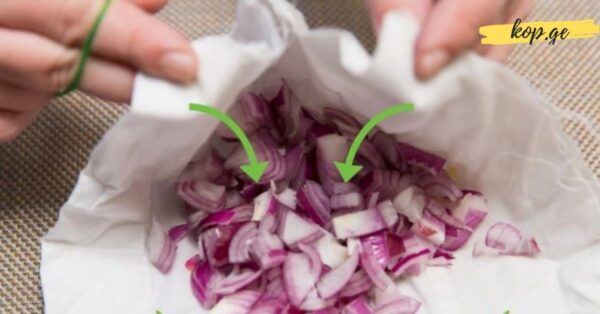
According to folk practices, onions are also believed to help reduce fever. The preparation is straightforward: onions are chopped into small pieces, placed on the soles of the feet, and secured with adhesive bandages or cloth. Socks are then worn over the compress to keep it in place overnight.
This practice is rooted in the traditional belief that the feet can draw out heat or toxins from the body. While there is no medical evidence proving that onions can reduce fever, the cool feeling of the compress may provide some temporary comfort. However, fever can be a sign of infection, and appropriate medical care should not be delayed.
4. Purifying the Air at Home Using Onions
One of the most intriguing folk claims is that onions can purify the air in a home. To do this, slices of fresh onion are placed on a plate and left in various rooms. The idea is that onions may absorb bacteria, viruses, or unpleasant odors over time. Many families, especially those relying on natural solutions, continue to believe that this simple practice helps freshen indoor air.
Though onions do not sterilize air in a scientifically proven way, their strong scent and natural compounds may create a sense of freshness. As with all home remedies, it is best to view this technique as a traditional belief rather than a guaranteed method of disinfection.
A Broader Culture of Natural Remedies
Like many households around the world, Georgian families have a long history of using everyday foods and herbs for home care and well-being. Onions, garlic, bay leaves, and many other items have become part of a larger system of natural practices passed down through generations.
For example, one popular belief is that bay leaves possess impressive rejuvenating properties, even helping to smooth deep wrinkles when used properly. Such ideas, whether symbolic or practical, reveal the deep cultural connection people feel toward natural resources and homemade solutions.
About Kop.ge and Its Philosophy
Kop.ge is a platform dedicated to sharing tips on health, self-care, beauty, and practical daily habits. The goal is to provide information about natural methods and recipes that may help improve well-being, simplify housework, and enhance everyday life—all from the comfort of one’s own home.
The site emphasizes affordability and accessibility. It encourages readers to explore solutions using items commonly found in the kitchen, backyard, or local markets. Many of the tips presented on Kop.ge aim to help people become more independent and resourceful while saving money on expensive products or treatments.
According to the philosophy of the platform, much of the information shared can seamlessly become part of everyday routines. The idea is that readers will learn, experiment, and then share their experiences with friends and family, helping others discover simple and cost-effective ways to improve their lives. Kop.ge wants to demonstrate that living well does not always require costly procedures or luxury products. With a bit of creativity and the right guidance, many improvements can be achieved at home.
Still, despite the natural focus of the platform, Kop.ge highlights an important reminder: while home remedies can be helpful in small ways, they should never be viewed as replacements for professional medical advice. Before using any natural treatment—especially for health conditions—it is wise to consult with a healthcare specialist.
Conclusion
Whether used in cooking or as part of traditional home practices, onions continue to hold a special place in many Georgian households. Their versatility and availability make them a favorite ingredient not only for meals but also for various folk remedies handed down through generations. While these methods should be approached with care and proper medical guidance, they reflect a rich cultural heritage of self-care and natural living.