










These Signs Indicate a Thyroid Disorder: 13 Symptoms You Should Pay Attention To
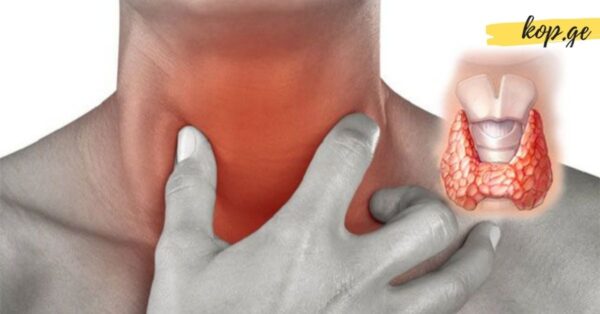
Irritability, unexplained weight gain, difficulty concentrating—these are just some of the signs that can make you feel unwell on a daily basis. However, behind these seemingly ordinary symptoms, there may be a more serious issue: a thyroid disorder. The thyroid gland plays an irreplaceable role in regulating our body’s vital functions. Thyroid hormones primarily control essential processes such as metabolism, energy production, and overall cellular activity.
Understanding the subtle signs of thyroid dysfunction is crucial because early detection allows for timely intervention, preventing complications and improving quality of life. If you’ve been experiencing persistent fatigue, mood swings, or other unusual changes, it might be time to consider whether your thyroid is functioning properly. Here are 13 symptoms that may indicate a thyroid problem:
1. Persistent Fatigue
Feeling tired all the time can result from many factors, including stress or lack of sleep. However, persistent fatigue can also signal hypothyroidism, a condition where the thyroid does not produce enough hormones. People with hypothyroidism often wake up feeling unrefreshed, and even simple daily activities may feel exhausting. Muscles may feel weak or unresponsive, and chronic tiredness becomes a daily challenge.
2. Mood Changes
Depression, sadness, or a generally pessimistic outlook can be linked to thyroid issues. Low levels of thyroid-stimulating hormone (TSH) are associated with reduced serotonin production, the hormone responsible for a positive mood. Those with hypothyroidism may find themselves feeling emotionally low for no apparent reason.
3. Anxiety and Nervousness
On the other hand, an overactive thyroid (hyperthyroidism) can cause excessive anxiety and irritability. The body operates at an accelerated pace, metabolism speeds up, and even minor stresses can feel overwhelming. People may experience nervous energy, restlessness, and difficulty calming down.
4. Changes in Appetite
Hyperthyroidism often leads to a strong appetite and constant feelings of hunger. Interestingly, because metabolism is so fast, the calories consumed are often burned quickly, so weight gain may not occur despite frequent eating. Conversely, hypothyroidism can alter taste and smell perceptions, affecting appetite in subtle ways.
5. Reduced Mental Sharpness
Forgetfulness, lack of focus, and mental sluggishness are common signs of thyroid dysfunction. Cognitive performance is strongly linked to thyroid hormone levels. Low levels can cause difficulties in concentrating, slower thinking, and memory lapses. Treating the underlying thyroid issue usually restores mental clarity.
6. Reduced Libido
Thyroid dysfunction can affect sexual health. Hypothyroidism often leads to lower sex drive in both men and women. Hormonal imbalances reduce libido, impacting overall intimacy and quality of life.
7. Dry Skin
Dry, itchy skin is a hallmark of hypothyroidism. Reduced metabolic activity slows down the production of natural oils and sweat, leaving skin dry, flaky, and sometimes discolored. Nails can become brittle, and hair may thin or lose luster.
8. Digestive Issues
Thyroid hormones influence the digestive system in multiple ways. Hypothyroidism slows digestion and bowel movements, often causing constipation. Hyperthyroidism accelerates metabolism and intestinal motility, leading to diarrhea or frequent bowel movements.
9. Menstrual Changes
Women with hypothyroidism often experience long, heavy, and painful periods. The time between cycles may shorten, and anemia is more likely due to excessive blood loss. Hyperthyroidism, on the other hand, can cause shorter periods and longer gaps between cycles, highlighting the thyroid’s role in reproductive health.
10. Unexplained Pain in Muscles and Joints
Numbness, tingling, and pain in the limbs can also indicate thyroid issues. Hypothyroidism can damage nerves, causing chronic discomfort, while hyperthyroidism may create generalized muscle weakness or unusual aches.
11. High Blood Pressure
Both hypo- and hyperthyroidism can affect cardiovascular function. Low thyroid hormone levels reduce the heart’s contraction strength and rate, potentially leading to elevated blood pressure. Hyperthyroidism can also increase blood pressure due to heightened metabolic activity.
12. Constant Sensations of Cold or Heat
People with hypothyroidism often feel unusually cold because metabolism slows, reducing the body’s heat production. Conversely, hyperthyroid patients may experience excessive warmth or sweating due to accelerated metabolism. Persistent temperature sensitivity is a key indicator of thyroid imbalance.
13. Hoarseness or Voice Changes
A hoarse voice or throat discomfort may point to an enlarged thyroid or other thyroid-related issues. Checking your neck in the mirror for swelling or asymmetry can help identify problems early, though professional evaluation is necessary for accurate diagnosis.
When to Test and Seek Treatment
If you recognize even one of these symptoms, it is essential to consult a healthcare professional. Blood tests measuring thyroid-stimulating hormone (TSH), T3, and T4 levels are standard diagnostic tools. Depending on results, treatment may include hormone replacement therapy, lifestyle changes, or other medical interventions.
Early detection is key to preventing complications such as cardiovascular disease, infertility, metabolic disorders, or severe fatigue. Maintaining a balanced diet, managing stress, and monitoring thyroid health regularly are all important for long-term wellness.
Thyroid health is not just about metabolism or weight; it affects your mood, energy, reproductive system, skin, hair, and even cognitive abilities. Recognizing the signs early allows you to take action before more serious problems develop.
Conclusion
Your thyroid is a small gland with a massive impact on overall health. Pay attention to subtle changes in energy, mood, appetite, digestion, and temperature regulation. By understanding these 13 symptoms, you can identify potential issues early and consult your doctor for effective treatment. Protecting your thyroid ensures better overall health, higher energy levels, and improved quality of life.