


These are traditional methods for treating veins that are very effective!
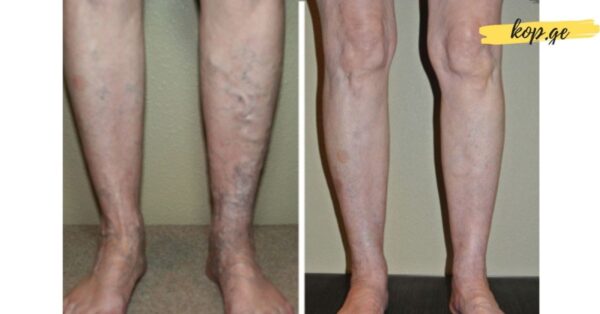
One of our readers recently shared with us a collection of traditional remedies for treating veins, which they personally tried and tested. The reader writes:
“After my second childbirth, I noticed that my once smooth and slender legs were now covered with swollen, bruised veins. I decided to try treating them using natural, traditional methods. I researched numerous recipes, consulted with doctors about them, and began the treatment. I was amazed by the results and wanted to share my experience with others.”
Here are some of the most effective traditional remedies for vein health, as shared by the reader:
1. Horse Chestnut Tincture
Horse chestnut has been used for centuries to improve vein health and circulation. To prepare a tincture:
Take 1 tablespoon of horse chestnut flowers and seeds, crush them thoroughly.
Pour 100 ml of vodka over the crushed ingredients.
Place the mixture in a cool, dark place for one week, shaking it occasionally to ensure the infusion is well-mixed.
Take 30 drops three times a day before meals, followed by a small amount of water. Horse chestnut helps strengthen vein walls, reduce swelling, and improve blood circulation, making it a classic natural remedy for varicose veins.
2. Walnut Leaf Infusion
Walnut leaves are another traditional remedy for vein problems due to their anti-inflammatory and vein-strengthening properties.
Take 1 tablespoon of dried walnut leaves, pour 1 cup of boiling water over them, and let it steep like tea.
Drink ¼ cup four times a day.
Regular consumption of walnut leaf infusion can reduce vein inflammation and improve vascular health over time.
3. Kalanchoe Tincture
Kalanchoe is well-known for its ability to soothe vein inflammation and improve circulation.
Take a half-liter bottle, fill it halfway with chopped Kalanchoe leaves, and fill the rest with vodka or high-quality spirit.
Store it in a dark, cool place for one week, shaking occasionally.
In the evenings, massage your legs from the ankles to the thighs with this tincture. Pain and discomfort will begin to ease quickly, but to significantly reduce the appearance of the vein network, this procedure should be continued for 3-4 months.
4. Burdock Root Foot Baths
Warm burdock root infusions are excellent for legs affected by varicose veins.
Take 200 g of dried burdock root, place it in a bowl, and pour boiling water over it.
Cover and let it steep for one hour.
Soak your feet in the warm infusion for 30 minutes, adding hot water occasionally to maintain the temperature.
This procedure is particularly beneficial for individuals with high blood pressure, as it can help reduce arterial tension while promoting vein health.
5. Spicy Mustard Paste (Avshani)**
Take one teaspoon of hot mustard seeds, crush them, and mix with 0.5 liters of yogurt.
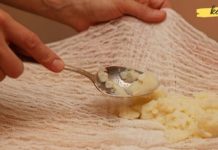
Apply the mixture to a soft cloth or bandage and place it on the legs, focusing on areas with the most pronounced veins.
Elevate your legs on a pillow and cover with plastic wrap.
Remove after 30 minutes.
This method stimulates circulation and can help reduce swelling and discomfort in affected veins.
6. Flaxseed (Svia) Decoction
Flaxseed is known for its anti-inflammatory and circulatory benefits, making it useful for vein health.
Take 1 tablespoon of flaxseeds, crush them, and pour over 1 cup of boiling water.
Place the mixture in a double boiler for 15 minutes, then strain.
Drink 3 times a day before meals.
Additionally, apply a bandage soaked in the flaxseed decoction to swollen veins for external relief.
Flaxseed strengthens veins, improves blood flow, and reduces inflammation in a natural, gentle way.
Important Notes
While these traditional remedies can be very effective, it is important to use them carefully. Some tinctures and infusions, particularly those involving alcohol, should be monitored for dosage and frequency. Always consult a healthcare professional before starting any new treatment, especially if you have pre-existing conditions or are taking medication.
Natural methods for treating veins focus not just on symptom relief but on strengthening vein walls, improving circulation, and reducing inflammation over time. These remedies work holistically, supporting overall vascular health rather than providing a temporary fix.
Consistency is key. Remedies like the horse chestnut and Kalanchoe tinctures may take weeks to show visible results, but over time they can significantly reduce discomfort, swelling, and the appearance of varicose veins. Combining internal treatments (like infusions) with external applications (like foot baths and bandages) enhances effectiveness and supports long-term vein health.
For individuals who prefer natural approaches over pharmaceutical treatments, these traditional methods provide a safe and affordable alternative. They also empower you to take an active role in your own healing, using ingredients that are widely available and have been trusted for centuries.
In addition to treating varicose veins, many of these remedies offer secondary health benefits, including improved digestion, reduced inflammation, and increased energy. By integrating these practices into your daily routine, you can enhance overall well-being while specifically addressing vein health.
These traditional remedies demonstrate that nature offers powerful tools for vascular health. With patience, consistency, and proper preparation, it is possible to strengthen veins, relieve pain, and reduce swelling effectively. Sharing experiences and time-tested recipes allows others to benefit from these age-old practices safely and naturally.