





The Use of Raisins in Folk Medicine for Relieving Body Tension
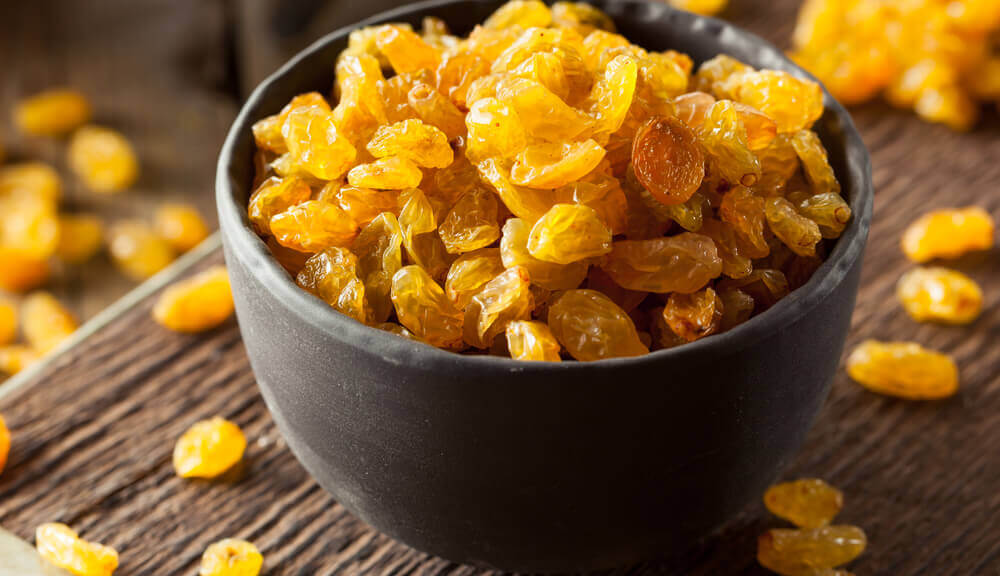
Muscle tension, particularly in the shoulders and back, has accompanied humanity for centuries. From carrying heavy loads and working in the fields to enduring long periods of physical labor, people have always sought remedies to relieve strain and discomfort. Before modern medicine provided pills, ointments, and physiotherapy, natural foods and herbs often formed the foundation of traditional healing. Among these, raisins—dried grapes valued for their sweetness, energy, and nutritional richness—played a surprisingly significant role in folk medicine. Across different cultures, raisins were believed to support not only the body’s strength but also the relaxation of overworked muscles and the release of tension.
This article explores how raisins were used historically to soothe muscular strain, their perceived benefits in folk traditions, and why these practices were meaningful, even if their explanations differ from modern medical understanding.
Nutritional and Symbolic Value of Raisins
Raisins are rich in natural sugars, antioxidants, and minerals such as potassium, magnesium, and iron. In folk medicine, their value extended beyond nutrition. Raisins were considered:
Energizing: believed to replenish depleted strength after physical labor
Balancing: thought to harmonize the body’s internal energies
Relaxing: said to calm the muscles and ease tension
Spiritually uplifting: symbolizing sweetness and lightness, helping to relieve emotional heaviness that often manifests physically in the back and shoulders
These qualities made raisins a popular ingredient in remedies for fatigue, muscular strain, and general body tension.
Raisin Infusions and Teas
One of the most common traditional applications involved infusing raisins in warm water. This method was simple, accessible, and believed to transfer the fruit’s natural energy directly to the body.
Preparation
A handful of raisins was washed and placed in a cup or small pot of warm water.
The mixture was left to soak for 10–15 minutes, occasionally stirred.
Some traditions added a pinch of herbs such as mint or chamomile to enhance relaxation.
The resulting infusion was consumed warm, often before or after physical labor.
Folk Beliefs
Raisin tea was thought to:
replenish depleted energy and strength,
soothe tense muscles,
improve circulation to the shoulders and back,
calm the mind, which in turn reduced muscular tightness.
The combination of warmth, hydration, and natural sugars made this infusion a comforting remedy, blending physical relief with emotional comfort.
Raisin Paste and Compresses
In certain traditions, raisins were transformed into a paste for topical use. The idea was to combine their natural sugars and oils with warmth to relax tight muscles.
Preparation
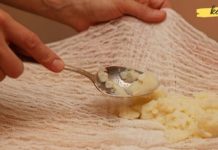
Raisins were soaked in water until soft.
They were then mashed into a thick paste.
The paste was applied on a clean cloth or directly to the affected muscles, such as the upper back or shoulders.
Sometimes the compress was warmed slightly before application to enhance its soothing effect.
Perceived Benefits
Folk practitioners believed that a raisin paste compress could:
draw tension out of the muscles,
provide a gentle, nourishing warmth,
improve energy flow in fatigued areas,
combine tactile comfort with subtle aromatic properties.
While modern science does not support the direct muscular effects of raisin compresses, the combination of gentle warmth, pressure, and ritual care likely contributed to perceived relief.
Raisin-Based Snacks for Sustained Energy and Muscle Support
Another approach in traditional cultures involved eating raisins as a preventative measure for body tension. People believed that regular consumption of raisins strengthened the muscles and prevented stiffness.
Typical Practices
A small handful of raisins was eaten before heavy work or travel.
Sometimes they were combined with nuts such as walnuts or almonds for additional energy and nourishment.
These snacks were portable and easy to include in daily routines.
Folk Explanation
By replenishing strength and balancing bodily energies, raisins were thought to reduce the likelihood of muscular fatigue, which could otherwise lead to tension in the shoulders and back. Consuming raisins became both a nutritional and symbolic practice—a reminder to care for the body’s energy levels.
Raisins in Ritual and Symbolic Healing
Beyond physical uses, raisins often carried symbolic and emotional significance. In folk traditions:
their sweetness represented lightness and relief, counteracting the heaviness felt in tired muscles,
they were sometimes included in ritual foods to lift spirits and reduce emotional burdens,
combining raisins with warming herbs or honey symbolized harmony and balance, connecting the body’s physical and emotional needs.
This symbolic dimension highlights a central principle in folk medicine: physical pain and emotional strain were deeply intertwined, and remedies addressed both simultaneously.
Why These Remedies Felt Effective
Several factors contributed to the comfort and perceived benefits of raisin-based remedies:
Nutritional support – Raisins provided natural sugars, minerals, and antioxidants that contributed to overall vitality.
Hydration and warmth – Infusions and warm compresses offered soothing sensations to tired muscles.
Ritual and attention – Preparing and consuming the remedies created intentional care for the body, which enhanced relaxation.
Emotional comfort – The symbolic sweetness of raisins may have eased psychological tension that manifests physically.
Consistency of use – Regular consumption and topical application formed habits that integrated body care into daily life.
Even if these effects were largely experiential rather than physiologically targeted, they provided meaningful relief.
Modern Considerations
While raisins are safe and beneficial as part of a balanced diet, traditional folk remedies should be complemented with modern approaches for chronic or severe muscular strain:
Warm compresses or massage can support the effects of raisin-based applications.
Adequate hydration, stretching, and rest remain crucial.
Consult a healthcare professional for persistent or severe shoulder and back pain.
Using raisins in folk-inspired ways today can enhance comfort, nutrition, and a sense of self-care without replacing medical guidance.
Conclusion
Raisins, with their natural sweetness, energy, and symbolic lightness, played an important role in folk medicine for relieving body tension. From infusions and teas to paste compresses and energy snacks, they provided nourishment, comfort, and ritual care for overworked muscles. Traditional practices emphasized the connection between physical and emotional wellbeing, demonstrating that relief often comes from combining natural remedies with attentive care, warmth, and symbolic meaning.
Even in modern times, the gentle wisdom embedded in these folk methods reminds us that everyday foods can support both body and mind, offering simple, accessible ways to soothe muscular strain and restore a sense of balance.