







The healing power of mint is truly remarkable! Six beneficial properties of this wonderfully fragrant plant.
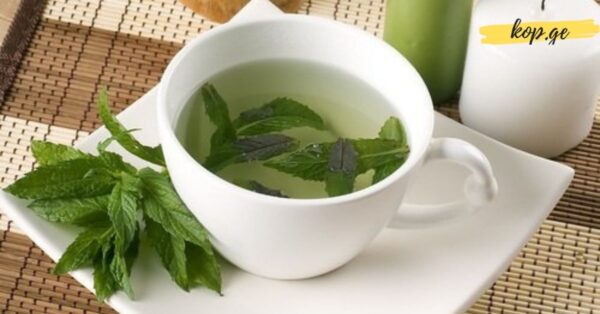
Mint is an extraordinary herb—fresh, vibrant, and instantly recognizable. Its aroma is unlike anything else: cool, refreshing, and almost divine in its clarity. A cup of tea becomes something entirely different once you add mint to it; suddenly, it becomes one of the most fragrant teas in the world, soothing both body and mind with its lively scent.
Beyond its delightful aroma, mint has long been valued in traditional practices for its refreshing and calming qualities. Peppermint essential oil is widely used to help ease tension and provide a cooling sensation. Many cosmetic products include mint extracts for their invigorating properties, and mint can be found in a variety of wellness preparations. Its bright green leaves are not only beautiful to look at but also incredibly versatile in the kitchen—perfect for salads, desserts, beverages, and garnishes.
But what truly sets mint apart is its rich history as a supportive herb. Although not a cure-all, mint has been traditionally considered helpful for several everyday discomforts. Below are six well-known potential benefits of mint, described in a balanced and informative way.
1. Mint may help soothe occasional digestive discomfort
For generations, mint tea has been used to help calm the stomach. Its natural oils provide a cooling sensation that may help relax the muscles of the gastrointestinal tract. When you experience mild digestive upset—such as occasional bloating or stomach tension—a warm cup of mint tea can feel genuinely comforting.
The aroma itself can relieve feelings of heaviness after a meal. While scientific findings vary, many people find peppermint helpful for soothing occasional digestive irritation and supporting overall digestive wellness.
2. Mint contains compounds with mild antimicrobial properties
Mint has been studied for its natural antimicrobial activity. Although drinking mint tea or mint-infused water will not prevent illnesses on its own, these beverages can be a pleasant addition to a daily routine, especially when combined with honey and warm water.
Mint tea helps keep you hydrated, and hydration is essential for supporting the body’s natural immune defenses. Warm mint water with honey can also soothe the throat and promote comfort during seasonal changes or dry weather.
3. The aroma of mint may help ease mild tension headaches
One of the most popular traditional uses of mint is for headache relief. Mint’s cooling scent can feel energizing and refreshing, helping to clear the mind and lift fatigue. A cup of mint tea, or simply inhaling its aroma, may offer a sense of relief.
Peppermint essential oil—when diluted and applied to the temples—has been researched for its potential to support relaxation and ease minor tension. Many people find that the cooling sensation helps soothe the discomfort associated with everyday stress or fatigue.
However, essential oils should always be used carefully: diluted properly and kept away from the eyes and mucous membranes.
4. Mint steam inhalation may help open the airways
If your nose feels stuffy due to seasonal congestion or dry air, mint steam inhalation can provide a comforting experience. The warm steam moistens the nasal passages, while mint’s invigorating aroma may help you feel like you’re breathing more freely.
Many people consider this method more pleasant than using strong nasal drops, particularly at night when they want to relax. While not a medical treatment, steam inhalation is a gentle technique often used for temporary relief and can make breathing feel easier.
5. Mint contains antioxidants that support general well-being
In recent years, mint has caught the attention of researchers because it contains antioxidants—compounds that help protect cells from oxidative stress. Although studies are still ongoing and mint is not a treatment for cancer, preliminary laboratory research suggests that certain mint compounds may influence cellular health.
This does not replace medical care or scientific treatment, but it highlights mint as a plant with interesting biological potential. Including antioxidant-rich herbs like mint in your diet can contribute to overall wellness as part of a balanced lifestyle.
6. Mint has a gentle calming effect that supports the nervous system
Mint is often associated with relaxation. Its scent alone can calm the senses, helping soothe the mind after a stressful day. Mint tea is frequently recommended for people who feel overwhelmed or restless. The herb’s cool flavor, combined with its smooth aroma, creates a natural sense of ease and tranquility.
Many people use mint tea as part of their evening routine, especially when they want to unwind. It is not a sedative, but its gentle calming properties make it one of the most popular herbal teas for emotional balance.
A few precautions
As with any herb, moderation is important. Overuse of mint—especially concentrated essential oils—may cause discomfort, including heartburn or sensitivity in some individuals. People with certain medical conditions should consult a healthcare professional before consuming mint in large amounts.
Pregnant individuals are often advised to limit or avoid concentrated peppermint preparations. For most others, enjoying mint in tea or food is generally considered safe.
A simple pleasure worth savoring
Pour yourself a warm cup of mint tea, inhale its refreshing aroma, and let its cooling flavor brighten your senses. Mint offers a small moment of peace—a reminder that sometimes the simplest plants hold the most delightful comforts. Moments like these are truly worth living for.