








Best Home Remedies for Treating Herpes (Blister-like Sores). Use if Necessary!

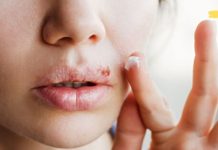
Herpes is a viral infection characterized by blister-like rashes that can appear on the skin and mucous membranes. The blisters typically break open within 3–4 days, forming a yellowish crust or sometimes starting to erode. Along with the rash, individuals often experience intense itching and a burning sensation.
The virus is highly contagious, and the primary source of the infection is either an infected person or someone carrying the virus. Herpes outbreaks are often triggered by factors such as cold weather, vitamin deficiencies, and a weakened immune system. In some cases, the herpes virus may develop in conjunction with other infectious diseases such as the flu, malaria, or pneumonia.
Herpes can remain dormant in the body for years, sometimes for a lifetime, with the virus staying in the human organism for 60-80 years, often without showing symptoms. In some individuals, the herpes virus can cause what is known as “herpetic fever,” which begins suddenly with chills, a high fever (39-40°C), intense headaches, nausea, vomiting, and occasionally mental confusion. After a few days, the fever subsides, and herpes sores appear at one or several locations on the body.
While herpes can be a recurring condition, there are several treatments—both conventional and natural—that can help manage symptoms and promote healing. Below, we will explore the best methods for treating herpes outbreaks at home using both traditional medications and natural remedies.
Conventional Treatments for Herpes
The standard treatment for herpes includes antiviral medications and sometimes immune therapy. Local treatments are often combined with systemic (oral) medications to speed up recovery and reduce symptoms.
Topical Treatments:
Zinc Ointment: One of the most common treatments for herpes sores is zinc ointment. Zinc has antiviral properties and can help heal the sores faster. Apply the ointment to the affected area regularly.
Christ’s Blood Ointment: This ointment, made from 1 gram of dried herb powder mixed with 1 tablespoon of petroleum jelly, is known for its ability to soothe and heal sores.
Aniline Dyes: A solution made with aniline dyes such as methylene blue or brilliant green (sometimes called “green dye”) can be applied to herpes sores to help reduce symptoms.
Iodine and Alcohol Solutions: Applying iodine tincture or rubbing alcohol to the sores can help disinfect the area and dry out the blisters, preventing further spread of the infection.
Oral Antiviral Medications: Medications like Acyclovir (available in cream form or as oral tablets) are often prescribed for treating herpes outbreaks. Acyclovir is most effective when applied or ingested during the initial stages of the outbreak when the blisters are beginning to form. For topical treatment, apply the cream to the sores until they dry out, usually over the course of a month.
General Care:
Avoid Smoking and Alcohol: Smoking and excessive alcohol consumption can impair the immune system and prolong the healing process. It’s advised to quit smoking and limit alcohol intake during a herpes outbreak.
While these conventional treatments are effective, many individuals prefer to use home remedies alongside them to provide additional relief.
Home Remedies for Herpes Treatment
In addition to medical treatments, numerous natural remedies can help treat and reduce the symptoms of herpes. These remedies often work by soothing irritation, reducing inflammation, and supporting the body’s immune response to the virus.
1. Aloe Vera Juice
Aloe vera is renowned for its soothing properties and its ability to promote skin healing. Applying fresh aloe vera gel to herpes sores can significantly reduce pain, irritation, and inflammation. Aloe also has antiviral properties, making it a great option for managing herpes outbreaks.
How to Use: Apply aloe vera gel to the affected areas 2–3 times daily. Additionally, you can consume 1 teaspoon of fresh aloe vera juice 2–3 times a day before meals for added internal support.
2. Kalanchoe Juice
Kalanchoe, a popular medicinal plant, has been used for its healing properties for centuries. It’s known to have natural antiviral effects that can help heal herpes sores, particularly on the lips.
How to Use: Extract the juice from a fresh Kalanchoe leaf and apply it directly to the affected area. Reapply 2–3 times per day until the outbreak clears up.
3. Christ’s Blood (Celandine) Juice
The juice of Christ’s blood (or Celandine), a common herb with antiviral properties, can help reduce the severity and duration of herpes outbreaks.
How to Use: Apply the fresh juice of Christ’s blood to the affected area twice a day. After the first application, wait 1–2 minutes for the juice to dry, then apply a second layer.
4. Garlic
Garlic is a powerful natural remedy with antiviral, antimicrobial, and anti-inflammatory properties. It can help reduce the intensity of a herpes outbreak and speed up the healing process.
How to Use: Crush fresh garlic cloves and apply the juice to the affected areas. Alternatively, consume 1–2 cloves of raw garlic daily for internal antiviral support.
5. Fig and Mulberry Tree Bark Juice
Fresh juice from fig and mulberry tree bark can be applied directly to herpes sores for immediate relief. Both fig and mulberry have potent antiviral properties that can support the body in fighting the herpes virus.
How to Use: Apply the fresh juice to the sores twice a day for a few days.
6. Onion Juice
Onion juice has been shown to have antibacterial and antiviral properties, making it an effective remedy for herpes. Its strong natural compounds can help soothe irritated skin and promote healing.
How to Use: Apply fresh onion juice directly to the affected area once or twice a day. Ensure you leave it on for 15–20 minutes before washing it off.
7. Cabbage Leaves Compress
Cabbage leaves have anti-inflammatory properties that can soothe painful herpes sores. The cooling effect of cabbage can help reduce swelling and discomfort caused by the virus.
How to Use: Wrap fresh cabbage leaves around the affected area, securing them with a bandage. Leave the leaves on for about 1–2 hours, and repeat the process 2–3 times per day.
8. Honey and Lemon Balm
Honey has natural healing and antimicrobial properties, and lemon balm (also known as Melissa officinalis) is widely used to treat herpes outbreaks due to its antiviral activity.
How to Use: Apply honey and lemon balm oil directly to the affected areas. This combination can reduce pain and speed up the healing process.
9. Tea Tree Oil
Tea tree oil is well-known for its antimicrobial and antiviral properties. It can be particularly effective for drying out herpes blisters and preventing secondary infections.
How to Use: Dilute tea tree oil with a carrier oil (such as coconut oil) and apply it to the affected area twice daily.
Additional Tips for Managing Herpes Outbreaks
Stay Hydrated: Drink plenty of fluids to support your immune system and help flush out toxins.
Maintain a Healthy Diet: Eat a balanced diet rich in fruits and vegetables, particularly those high in vitamin C, to strengthen your immune system.
Reduce Stress: Stress is a common trigger for herpes outbreaks, so try to practice relaxation techniques such as yoga, meditation, or deep breathing exercises.
Conclusion
While herpes can be a lifelong condition, it doesn’t have to severely impact your quality of life. With the right treatment and natural remedies, you can manage outbreaks effectively and reduce the discomfort associated with the infection. Whether you choose conventional treatments, home remedies, or a combination of both, it’s important to be consistent and proactive in your approach to managing herpes.
Always consult a healthcare professional before starting any new treatment, especially if you experience severe symptoms or frequent outbreaks. With proper care, herpes can be managed successfully, allowing you to live comfortably and confidently.
Source: This article includes natural remedies and medical treatments for herpes outbreaks, combining centuries-old folk wisdom with modern therapeutic techniques.