





The Beneficial Properties of Hawthorn. You Should Know This!
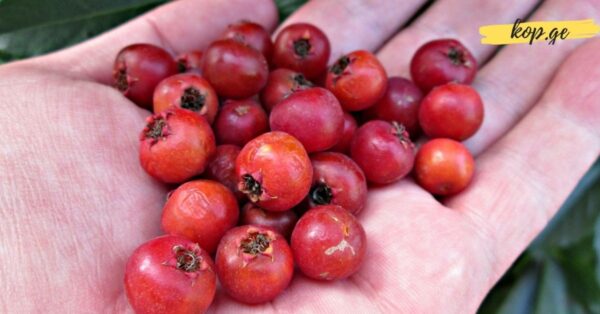
Hawthorn is an exceptionally beneficial medicinal plant that has earned a respected place not only in traditional folk medicine but also in modern clinical practice. For centuries, it has been valued for its positive effects on the cardiovascular system, and today it is actively used in the treatment and prevention of various heart- and blood-vessel–related conditions. Hawthorn’s therapeutic potential lies in its rich chemical composition, which includes biologically active compounds found in its flowers, fruits, and seeds.
The seeds of hawthorn contain valuable essential oils as well as a useful substance known as amygdalin. Hawthorn flowers are particularly rich in organic acids, including caffeic and chlorogenic acids. In addition, they contain essential oils, flavonoids, and saponins—compounds known for their antioxidant, anti-inflammatory, and vasodilatory effects. Thanks to this complex composition, hawthorn has a broad spectrum of action and is especially effective in supporting heart health.
Hawthorn is commonly used in the management of conditions such as hypertension, atherosclerosis, arrhythmia, tachycardia, and angina pectoris. It is especially beneficial for individuals with weakened heart function. Hawthorn strengthens the contractions of the heart muscle while simultaneously reducing excessive excitability, which helps the heart work more efficiently and calmly.
One of hawthorn’s most important properties is its ability to regulate high blood pressure. By improving the elasticity of blood vessels and enhancing circulation, it supports healthy blood flow both in the coronary vessels of the heart and in the blood vessels of the brain. This improved circulation contributes to better oxygen delivery to tissues and organs, which in turn enhances overall vitality and well-being. Hawthorn also helps normalize heart rhythm, making it particularly useful for people who suffer from irregular heartbeats.
Clinical and scientific studies indicate that hawthorn fruit can reduce levels of harmful (LDL) cholesterol in the blood. By lowering cholesterol and improving lipid metabolism, hawthorn helps slow down the progression of atherosclerotic processes. Moreover, it has been observed to stimulate thyroid gland function, which further supports metabolic balance and cardiovascular health. Taken together, these effects make hawthorn a valuable natural aid in the prevention of long-term cardiovascular complications.
Beyond its direct impact on the heart and blood vessels, hawthorn also has a mild calming effect on the nervous system. This makes it helpful for individuals who experience heart-related symptoms triggered or worsened by stress, anxiety, or emotional tension. Dizziness, shortness of breath, and a feeling of tightness in the chest—especially when linked to nervous disorders—may be alleviated with appropriate use of hawthorn preparations.
Hawthorn Infusion (Tea) Recipe
To prepare a hawthorn infusion, take 3 tablespoons of dried hawthorn flowers and pour 600 milliliters (about 3 cups) of boiling water over them. Allow the mixture to cool, then strain it. Drink one cup three times a day. This infusion is commonly used to support heart function and improve circulation.
Alcohol-Based Hawthorn Tincture
An alcohol tincture can also be prepared. Add two parts of 90-proof alcohol to freshly squeezed hawthorn flower juice and let the mixture stand for 15 days. Take 40 drops three times a day. This tincture is recommended for heart conditions, as well as for dizziness and shortness of breath caused by cardiac weakness. It is also used in cases of neurosis and during the early stages of menopause, when hormonal changes may affect the cardiovascular and nervous systems.
Hawthorn Fruit Preparation for Heart Support
Take half a kilogram of ripe hawthorn fruits, wash them thoroughly, and crush them gently using a wooden mallet. Add 100 milliliters (half a cup) of water and heat the mixture to about 40°C (104°F). Then press it through a juicer or strainer to extract the juice. Take one tablespoon three times a day before meals. This preparation has a particularly beneficial effect on the heart muscle in elderly individuals, helping to protect the heart from fatigue and overexertion.
While hawthorn is a powerful and beneficial plant, it must be used with care. Strict adherence to recommended dosages is essential. Excessive consumption of hawthorn or its preparations may lead to adverse effects, including symptoms of poisoning such as nausea, dizziness, or a sharp drop in blood pressure. For this reason, self-medication and overuse should be avoided.
Importantly, hawthorn preparations are strictly contraindicated during pregnancy and breastfeeding. Individuals with chronic illnesses or those taking prescription medications—especially heart or blood pressure drugs—should consult a healthcare professional before using hawthorn products.
In conclusion, hawthorn is a remarkable natural remedy with proven benefits for the heart, blood vessels, and nervous system. When used responsibly and correctly, it can significantly improve cardiovascular health, enhance quality of life, and support long-term well-being.
Worth Seeing: Treatment of varicose veins using this method has proven to be one of the fastest and most effective approaches.