





Swelling can be caused by water retention! Discover 5 natural methods to help reduce it. This is important!
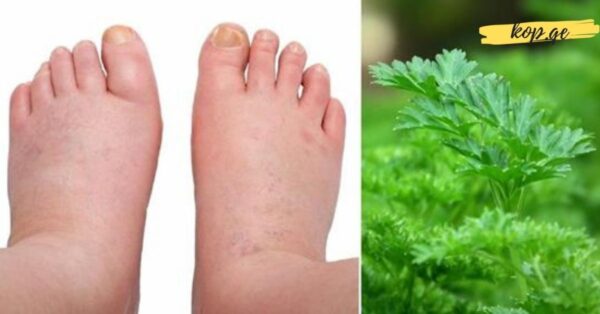
What Is Water Retention?
Water retention, also known as fluid retention or edema, refers to the excessive accumulation of fluid in the body’s tissues. This buildup can cause swelling in different parts of the body, most commonly in the hands, ankles, legs, and feet. Since about 70% of the human body is composed of water, the balance between water intake and elimination is essential. Normally, excess water is expelled through urine, perspiration, and other bodily processes. However, various factors can disrupt this delicate system, leading the body to hold onto more water than necessary.
It is important to understand that water retention itself is not a disease—it is a symptom. When your body begins to swell, it is often signaling that something in your system requires attention. Several potential triggers can contribute to this condition. Poor circulation, chronic stress, high blood pressure, prolonged sitting or standing, hormonal changes (such as during menstruation), allergic reactions, and even certain medications may play a role. Lifestyle factors such as excessive salt intake, dehydration, or a lack of physical activity can also contribute.
Many people experience occasional water retention, and in most cases it is temporary and manageable. However, if swelling is persistent, severe, or accompanied by additional symptoms, a healthcare professional should be consulted. With that said, there are several traditional and natural approaches that many people use at home to help relieve mild water retention and promote a feeling of comfort and well-being.
Natural Remedies That May Help Reduce Water Retention
Below are five commonly used natural options. These methods are based on traditional herbal practices and anecdotal reports. They may offer gentle support, but they should not replace personalized medical advice.
1. Dandelion
Dandelion has a long history in traditional herbal medicine and is widely known for its natural diuretic properties. A diuretic is a substance that may help the body increase urine production, thereby eliminating excess fluids. Dandelion is also rich in potassium, an essential mineral that helps balance sodium levels. Since high sodium can contribute to fluid retention, potassium-rich herbs and foods may help support a healthier balance.
To prepare dandelion tea:
Place one teaspoon of dried dandelion leaves in a cup of hot water. Allow it to steep for about ten minutes, then strain. Many people drink this tea up to three times a day, depending on tolerance and preference.
2. Parsley
Much like dandelion, parsley is also considered a natural diuretic in many traditional remedies. It is commonly used for supporting kidney function and stimulating urine flow, which may help reduce fluid buildup. Parsley tea is simple to prepare and has a fresh, mild flavor.
To make parsley tea:
Add two teaspoons of dried parsley leaves to a cup of hot water and let it steep for ten minutes. Strain the mixture and drink it warm. This tea is often consumed up to three times daily.
3. Nettle
Nettle (often called stinging nettle) has been used for centuries to help with joint discomfort, seasonal sensitivities, and fluid retention. Rich in beneficial plant compounds, nettle is traditionally valued for its mild diuretic effect.
To use nettle as a tea:
Pour hot water over three teaspoons of dried nettle leaves, allow it to steep, and drink 3–4 cups throughout the day if desired. Its earthy flavor can be enjoyed on its own or blended with other herbs.
4. Fennel Seeds
Fennel seeds are widely used in culinary and traditional medicine practices. Known for aiding digestion, fennel may also act as a gentle diuretic. It is believed to help the kidneys release more water and sodium, which may assist in relieving mild swelling.
To prepare fennel seed tea:
Combine one teaspoon of fennel seeds with a cup of hot water and allow the mixture to steep for about ten minutes. After straining, drink warm. It can be enjoyed once or several times a day depending on preference.
5. Epsom Salt Foot Soak
Epsom salt, which contains magnesium sulfate, is frequently used in warm bath soaks. Many people find that soaking their feet in Epsom salt water helps them feel lighter and less swollen. While research on its direct effects on water retention is limited, warm Epsom salt baths are widely appreciated for their soothing and relaxing qualities. They may help draw out excess fluid and ease tension in tired feet.
To prepare the soak:
Mix two cups of Epsom salt into a warm foot bath. Soak your feet for about fifteen minutes. For best results, some people repeat this routine up to three times per week.
A Few Mindful Considerations
While the methods listed above are natural and widely used, it is important to remember that individual responses vary. Herbal remedies may not be appropriate for everyone, especially for those who are pregnant, have chronic health issues, or are taking medications. If symptoms of swelling are severe, persistent, or accompanied by pain, shortness of breath, or sudden weight gain, medical attention is essential, as these could be signs of an underlying condition.
Drinking plenty of water, reducing salt intake, incorporating moderate physical activity, and maintaining a balanced diet rich in fruits and vegetables can also support the body’s natural fluid balance.