








Restrictions for Arthritis: Foods That Can Harm Your Joints

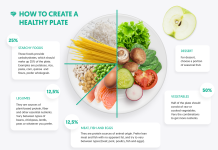
Arthritis is a condition characterized by inflammation within the joints, which can lead to pain, stiffness, and reduced mobility. It is one of the most common joint disorders worldwide. While arthritis can take many forms—such as osteoarthritis, rheumatoid arthritis, and gout—one thing that unites them is the role of inflammation. A well-structured diet cannot cure arthritis, but it can support overall health, reduce strain on the joints, and help prevent symptom flare-ups. Many people find that avoiding certain foods helps them feel better and manage their condition more effectively.
Below is a detailed look at foods and ingredients that are often recommended to limit when dealing with arthritis or any type of joint discomfort. These insights come from nutritional guidance, traditional health recommendations, and observations about how specific foods can influence inflammation, weight, hydration, and overall well-being.
Foods to Avoid When You Have Arthritis or Any Joint-Related Condition
1. Animal Products, Especially Fatty Meats
Fatty cuts of pork, beef, and duck are known for their rich taste, but they also contain higher amounts of arachidonic acid. When metabolized, this fatty acid can break down into compounds that may contribute to inflammatory processes within the body. For individuals who already experience joint inflammation, these compounds may intensify discomfort or make flare-ups more frequent.
This doesn’t mean all animal products must be eliminated, but limiting fatty meats and choosing leaner protein sources can help reduce unnecessary stress on the body. Many people with arthritis find relief by incorporating more plant-based protein or fish instead.
2. Dairy Products
Dairy foods—such as milk, cheese, yogurt, and cream—provide essential nutrients like calcium and vitamin D, which support strong bones. However, for some individuals with arthritis, especially autoimmune forms like rheumatoid arthritis, dairy can sometimes worsen symptoms.
Reactions to dairy vary widely from person to person. Some tolerate it well, while others notice increased stiffness or discomfort. Because of this variability, the decision to consume dairy should ideally be made under the guidance of a healthcare provider or dietitian who knows your medical background. They can help determine whether dairy is helpful or aggravating in your specific case.
3. Refined Carbohydrates
When discussing carbohydrates in relation to arthritis, the main concern is refined carbohydrates—those found in sugary snacks, sodas, pastries, mayonnaise-based products, ketchup, and many processed or canned foods. These foods can contribute to weight gain, which places additional mechanical stress on the joints, especially the knees, hips, and spine.
Moreover, diets high in refined sugar may negatively influence blood circulation. Poor circulation can reduce the oxygen and nutrient supply to joint tissues, potentially intensifying discomfort. Over time, this can contribute to slower recovery and increased inflammation. Reducing these foods is an effective step toward supporting joint health and overall well-being.
4. Gluten-Containing Foods
Gluten is a protein found in wheat, barley, and rye. While gluten is not harmful for everyone, certain studies and patient reports suggest that some individuals with inflammatory conditions—particularly autoimmune arthritis—may experience symptom improvement when they reduce or eliminate gluten.
In several cases, avoiding wheat, barley, and rye products has been linked to reduced stiffness and improved energy levels in people with rheumatoid arthritis. This doesn’t necessarily mean gluten causes arthritis, but for some, it may trigger or worsen inflammatory responses. Anyone considering a gluten-free diet should do so carefully, ideally with nutritional guidance, to ensure they still receive necessary vitamins and minerals.
Foods That Can “Damage” or Burden Your Joints
1. Salt
Salt is essential for life, but excessive consumption can create several problems. Modern diets often include more salt than the body needs due to the high salt content in processed foods, canned goods, deli meats, and fast foods. Too much salt can lead to fluid retention, swelling, and increased pressure within the joints.
Fluid retention can also contribute to weight gain, which further burdens the joints. Over time, the combination of swelling and increased load can intensify discomfort and inflammation. Reducing salt intake—especially by limiting processed foods—can help support better joint health.
2. Fried Foods
The harmful effects of heavily fried foods are widely recognized. These meals often contain unhealthy fats that can encourage inflammation throughout the body. They may also contribute to cardiovascular problems, digestive stress, and overall metabolic imbalance—all of which can indirectly worsen joint pain.
For someone with arthritis, fried foods can trigger flare-ups and delay recovery. Replacing fried dishes with baked, grilled, or steamed alternatives can significantly reduce inflammatory strain and improve overall wellness.
3. Alcohol
Alcohol offers no real health benefit for individuals with arthritis and can significantly worsen symptoms. Even light alcoholic beverages may intensify inflammation in the joints, promote swelling, and interfere with the body’s ability to absorb potassium—a mineral essential for normal muscle and nerve function.
Additionally, alcohol can disrupt sleep, weaken the immune system, and interfere with the effectiveness of pain-relieving or anti-inflammatory medications. For these reasons, many doctors recommend eliminating or greatly reducing alcohol consumption in individuals with arthritis or chronic pain conditions.
Final Thoughts
Inflammatory processes within the joints can progress and lead to long-term mobility problems or even disability if not properly managed. This makes it essential to monitor your health closely, consult medical professionals when symptoms appear, and pay careful attention to nutrition.
Adopting a healthy lifestyle—including balanced nutrition, regular physical activity, sufficient hydration, and weight management—is one of the most effective ways to support joint health and slow the progression of arthritis. While diet alone cannot cure arthritis, it plays a major role in influencing how the body responds to inflammation and stress.
Taking proactive steps today can help protect your joints, maintain mobility, and improve your quality of life.