









Plants That Bring Luck and Health at New Year
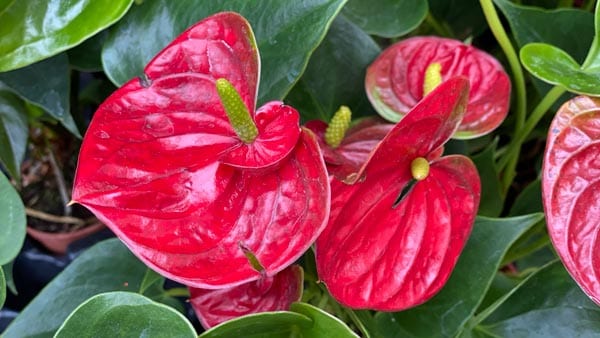
The transition from one year to the next has long been a time of reflection, hope, and ritual. Across cultures, people have sought ways to ensure that the coming year is filled with health, happiness, and prosperity. One of the most fascinating aspects of these traditions is the use of plants in New Year celebrations. From ancient herbal remedies to symbolic greenery, plants have played a central role in both protecting people from illness and attracting good fortune.
The Symbolism of Plants in New Year Traditions
Plants have always carried symbolic meaning in folk medicine and cultural rituals. Greenery often represents life, renewal, and energy—qualities that are particularly valued during the cold and dark days of winter. In many cultures, bringing plants into the home at the start of the year was believed to invite vitality and ward off negative forces.
For example, holly, ivy, and mistletoe have long been associated with winter celebrations in Europe. Their evergreen leaves symbolize endurance and eternal life, while their berries were considered to carry protective properties. Similarly, in parts of Asia, plants like kumquat trees and bamboo are thought to bring luck and prosperity when placed in the home during the Lunar New Year.
Healing Plants for Winter Health
Beyond symbolism, many of the plants used at New Year had practical health purposes. The cold winter months were historically linked with a higher risk of respiratory illnesses, digestive issues, and fatigue. Folk medicine relied on locally available herbs and plants to boost immunity, cleanse the body, and maintain overall health.
Some commonly used winter plants include:
Garlic: Often eaten or used in herbal remedies, garlic was believed to protect against colds and infections. It was sometimes hung in bunches around the home as a ward against disease.
Ginger: Fresh or dried, ginger root was used to stimulate circulation and warm the body during the cold season.
Rosemary: Known for its fragrant leaves, rosemary was thought to purify the air and strengthen memory and concentration.
Nuts and Seeds: While not strictly plants, they often came from trees like walnuts or pomegranates and were included in New Year dishes for their health benefits.
Many of these plants were incorporated into teas, broths, or even symbolic decorations to merge practicality with ritual.
Plants That Bring Luck and Prosperity
Some plants were believed not only to promote physical health but also to influence luck and fortune in the new year. These practices often combine herbal knowledge with cultural beliefs:
Basil: In some European and Mediterranean traditions, basil is considered a herb of prosperity. Keeping basil in the home at New Year is believed to attract wealth and happiness.
Citrus Trees: Small oranges or kumquats are common New Year gifts in East Asia. Their bright color symbolizes gold, while the fruit itself represents abundance.
Bamboo: Especially in Chinese culture, bamboo is a symbol of flexibility, resilience, and growth. “Lucky bamboo” arrangements are often gifted or displayed during New Year celebrations.
Pine and Fir Branches: Evergreen conifers are used worldwide as decorations, signifying endurance, resilience, and continuity. Their needles were sometimes added to herbal baths or hung in homes for protection.
These plants are often displayed in homes, gifted to friends and relatives, or integrated into meals to maximize their supposed positive effects. Even the act of planting new greenery at the beginning of the year was thought to bring fresh energy into a household.
Folk Remedies and Rituals
Folk medicine traditions often combined the health benefits of plants with ritual practices. For instance:
Herbal Teas: Families prepared teas from a mixture of herbs such as mint, chamomile, and sage on New Year’s Eve. Drinking these teas was believed to cleanse the body and mind, preparing individuals for the year ahead.
Decorative Wreaths: Wreaths made of evergreen branches, garlic, and other herbs were hung on doors or above fireplaces. They served both as protection from illness and as symbols of continuity and life.
Special Meals: Certain herbs and plant-based foods were included in New Year’s meals to encourage good health. Nuts, seeds, pomegranates, and leafy greens were particularly popular for their nutritional and symbolic value.
These practices highlight the intertwined nature of medicine, culture, and symbolism in folk traditions. Plants were not merely decorative; they were active participants in the ritual of entering a new year safely and healthily.
Modern Interpretations
Today, many of these traditions continue, though often with a more symbolic or aesthetic focus. People still bring evergreen plants into their homes, drink herbal teas, or gift citrus trees during the New Year season. While the modern lifestyle has reduced reliance on folk remedies for serious health issues, the symbolic meaning of these plants persists.
In fact, contemporary herbalism has embraced some of these old practices. Herbal teas for immune support, home-grown greenery for indoor air quality, and festive plant decorations for mental well-being all echo ancient wisdom. By connecting with these traditions, we maintain a sense of continuity with the past while enjoying the benefits of natural remedies.
Conclusion
Plants have long been essential in New Year traditions, both for their symbolic meanings and their practical health benefits. From evergreens that represent resilience to herbs that strengthen the body, these natural treasures reflect a deep understanding of the human need for protection, vitality, and hope. As we welcome each new year, incorporating plants into our celebrations—whether as decorations, gifts, or herbal remedies—reminds us of the timeless connection between nature, health, and prosperity.
By honoring these traditions, we do more than follow ancient rituals; we embrace a holistic approach to wellness that blends the symbolic with the practical, ensuring that the year ahead is full of luck, health, and positive energy.