
Nettle Infusion – A Miraculous Remedy for Stopping Bleeding! Here’s How You Can Prepare It at Home

Nettle has long been considered one of the most widely used plants in traditional and folk medicine. For centuries, healers have relied on its strong medicinal properties, and even today, nettle remains a commonly used natural remedy in many households. One of its most well-known uses is its ability to help manage various types of bleeding. Traditionally, nettle infusion has been recommended for reducing bleeding from the lungs, uterus, and rectum, including bleeding associated with hemorrhoids. In folk practice, the standard dosage is usually 15–20 drops diluted in one glass of water, taken one tablespoon at a time, three to four times a day.
How to Prepare and Use Nettle Infusion at Home
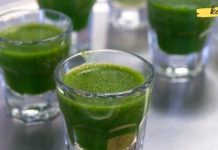
Making nettle infusion at home is simple, affordable, and requires only a few ingredients. The first step is to finely chop fresh or dried nettle leaves. Once your nettle is prepared, pour boiling water over it in the following proportion: four teaspoons of chopped nettle for every one glass of boiling water. You can easily scale up these quantities if you want to prepare a larger amount.
Allow the mixture to steep and cool naturally. After it has cooled completely, strain the liquid to remove the nettle leaves. Next, use a dropper to measure out 15–20 drops of the concentrated infusion and dilute it in a glass of water. The recommended intake, according to folk tradition, is one tablespoon of the diluted mixture, three to four times a day.
Beyond its effect on bleeding, nettle is widely valued for its broader health benefits. It is thought to improve metabolism, support detoxification, and promote overall vitality. Traditional healers often recommend nettle for conditions such as rheumatism, atherosclerosis, eczema, and constipation. Nettle-based rinses are also popular for strengthening hair and reducing hair loss.
Important Precautions Before Using Nettle
Even though nettle is a natural plant, it has powerful biological properties and must be used with caution. If you are considering using nettle infusion for health purposes, it is important to understand when it may be unsafe.
Nettle should not be used in the following situations:
Uterine bleeding of unknown origin
Presence of certain tumors or neoplasms
Severe atherosclerosis
Thrombophlebitis
High blood pressure
One of the most crucial warnings is related to pregnancy. Nettle is strongly discouraged during pregnancy in any form, except for external use such as hair rinsing. Internal use of nettle infusion during pregnancy may stimulate uterine contractions and potentially trigger premature labor. For this reason, pregnant individuals should avoid using nettle tea, tincture, or any concentrated extract without medical supervision.
Understanding the Benefits Behind Nettle
Nettle contains a wide range of nutrients that contribute to its reputation in folk medicine. It is rich in vitamins A, C, K, and several B-complex vitamins. Minerals such as iron, calcium, and potassium are also found in high concentrations. These nutrients may explain why nettle is often associated with improved blood quality, increased energy, and enhanced metabolic processes.
The plant’s natural anti-inflammatory and antioxidant properties make it a popular choice for supporting joint health, especially in conditions like rheumatism. Some traditional practitioners recommend nettle tea as part of a regimen for cleansing the body or improving circulation. Additionally, nettle’s mild laxative effect may help relieve constipation and support digestive balance.
For external use, nettle rinses have long been used to strengthen hair roots, reduce dandruff, and promote a healthier scalp. Many people find that regular use leads to shinier and more resilient hair.
Self-Care with Nettle: What to Keep in Mind
If you choose to use nettle as part of your personal health routine, always remember that even natural remedies can have strong effects. Folk recipes can be helpful, but they are not a substitute for professional medical advice, especially in cases of chronic illness or unusual symptoms.
Before using nettle infusion—or any herbal remedy—it is a good idea to speak with your doctor, especially if you have underlying health conditions or take medications that might interact with herbal supplements.
Additional Reading Recommendation
You may also be interested in learning about poor blood circulation and cold feet—their causes and possible treatment methods. Understanding circulation can help you make more informed decisions about which natural remedies may be helpful and when you should seek medical guidance.
About Kop.ge
Kop.ge is a platform dedicated to offering helpful tips related to health, self-care, and everyday life. Our aim is to provide you with practical information about natural remedies and simple recipes that can help you improve your well-being, enhance your beauty routines, and simplify daily tasks. Most importantly, these recommendations allow you to take care of yourself from home, enjoying the process while saving money on expensive treatments or commercial products.
Many of the tips and recipes you discover on our website can become part of your daily habits. You may even find yourself sharing your experiences with friends and family, helping others make positive changes in their own routines. At Kop.ge, we believe that maintaining good health and a beautiful, comfortable lifestyle does not require costly procedures or luxury products. With the right knowledge, you can achieve excellent results using simple ingredients commonly found in your kitchen or garden.
All recipes and suggestions published on Kop.ge are designed with safety in mind. However, we strongly recommend consulting with a medical professional before beginning any new health-related practice, especially if the remedy involves internal consumption of herbs or supplements.