

Learn to Recognize the Signs of a Blood Clot to Prevent Blockage of Vital Organs – This Knowledge Is Essential!
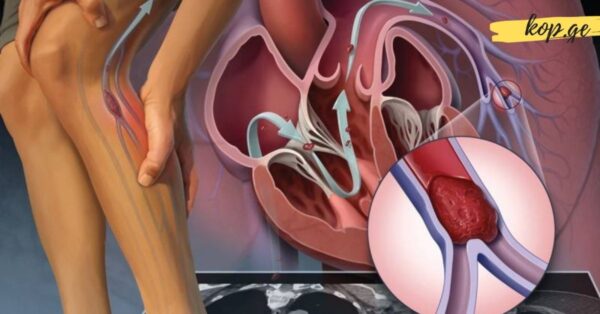
Blood clots, or thrombi, are crucial for the normal functioning of our bodies. Under normal circumstances, a clot forms to stop bleeding, such as from a cut or injury. This process allows the body to heal efficiently, and once the damage is repaired, the clot usually dissolves without leaving any trace. In this sense, blood clots are a natural and vital protective mechanism.
However, problems arise when a clot forms inside a vein without an injury. This type of clot can disrupt blood flow and potentially block essential organs, leading to life-threatening complications. Therefore, it is crucial to recognize the early warning signs of thrombosis, so that prompt medical attention can prevent serious outcomes.
Here are some of the key signs and symptoms of a developing blood clot that you should never ignore:
1. Leg Cramps
One of the most common early symptoms of a blood clot in the lower extremities is sudden, recurring leg cramps. Many patients who later develop deep vein thrombosis (DVT) report experiencing unexplained leg cramps beforehand. These cramps may occur during sleep or while resting and are often accompanied by a feeling of tightness or heaviness in the affected leg. If you frequently experience such cramps, it is essential to consult a doctor promptly. Ignoring these warning signs can lead to the clot detaching and traveling to vital organs, which can be fatal.
2. Tingling in the Limbs
Another early sign of thrombosis is tingling or a “pins-and-needles” sensation, particularly in the arms or legs. This symptom may feel like a thousand tiny needles pricking the skin. While occasional tingling can occur for benign reasons, frequent or unilateral tingling (affecting only one limb) should raise concern. Tingling in one specific limb may indicate impaired blood flow due to a clot, and urgent medical evaluation is recommended.
3. Pale Skin
A blood clot can reduce the normal circulation of blood to certain areas of the body, causing the skin to appear paler than usual. This is particularly noticeable in the legs or arms when compared to the other side of the body. If you notice that one leg or arm is visibly paler than the other, it could be a sign of a clot obstructing blood flow. Immediate consultation with a healthcare professional is necessary, as this may indicate a serious vascular problem.
4. Changes in Skin Temperature
The temperature of the skin can also change around the site of a blood clot. Sometimes, the area may feel unusually warm due to inflammation, while in other cases, it may feel cooler than the surrounding skin because of restricted blood flow. Either extreme warrants medical attention. If you notice persistent temperature differences in one limb, do not ignore it – this could signal a clot forming within the veins.
5. Back Pain
Back pain is a common symptom with many possible causes, but in certain cases, it may indicate the presence of a blood clot. If a clot forms in the veins near the pelvis or abdomen, it can radiate pain to the lower back. This type of pain is often persistent, localized, and may be accompanied by swelling or tenderness in the affected area. Any unexplained back pain, especially if paired with other symptoms, should prompt immediate medical evaluation to rule out thrombosis.
6. Excessive Sweating
Sudden and excessive sweating, especially when accompanied by other warning signs, can also be a signal of a blood clot. This symptom may indicate that a clot is present near critical organs, such as the lungs or heart, and is affecting normal circulation. Profuse sweating without an obvious cause should not be ignored, particularly if it occurs alongside dizziness, shortness of breath, or chest discomfort.
7. Persistent Coughing
A persistent cough may seem unrelated to blood clots at first glance, but it can indicate a clot in the pulmonary arteries, which supply blood to the lungs. Known as a pulmonary embolism, this condition can be life-threatening if untreated. A sudden onset of coughing, especially if accompanied by chest pain, shortness of breath, or coughing up blood, requires immediate medical attention.
8. Swelling in Limbs
Swelling, particularly in one leg, can signal a deep vein clot. The affected limb may feel tight, heavy, or tender to the touch. Sometimes, swelling is accompanied by redness or warmth, indicating inflammation caused by the clot. Persistent swelling that does not subside with rest should be evaluated promptly by a healthcare professional.
9. Shortness of Breath or Rapid Heartbeat
If a clot travels to the lungs, it can cause pulmonary embolism, which manifests as sudden shortness of breath, rapid heartbeat, and chest pain. These are medical emergencies. Immediate treatment is critical to prevent permanent damage to the lungs or heart. Recognizing the early warning signs can save lives, as rapid intervention reduces the risk of severe complications.
10. Sudden Fatigue or Weakness
While fatigue can have many causes, sudden and unexplained weakness, especially in combination with other symptoms like swelling, pale skin, or tingling, may indicate a clot is impeding circulation. This is particularly dangerous if the clot affects blood flow to vital organs. Any new, unexplained weakness should be investigated without delay.
Conclusion
Recognizing the early signs of thrombosis is crucial for preventing potentially fatal outcomes. Blood clots can develop silently and strike without warning, but awareness of these symptoms – leg cramps, tingling, pale skin, temperature changes, back pain, excessive sweating, persistent cough, swelling, shortness of breath, and sudden fatigue – allows for early intervention.
Prompt medical evaluation is essential whenever these symptoms occur. Treatments may include anticoagulants, lifestyle changes, or, in severe cases, surgical intervention. By staying vigilant and informed about the warning signs, you can protect yourself and your loved ones from serious complications caused by blood clots.
Always remember: your awareness and timely response can save lives. Never ignore unusual sensations in your body, and seek professional advice immediately if you suspect a clot may be forming.
Source: Kop.ge – providing advice on health, personal care, and daily life. Our goal is to offer natural remedies and practical guidance to improve health safely at home.