







If you suffer from heel pain, then this article is for you.
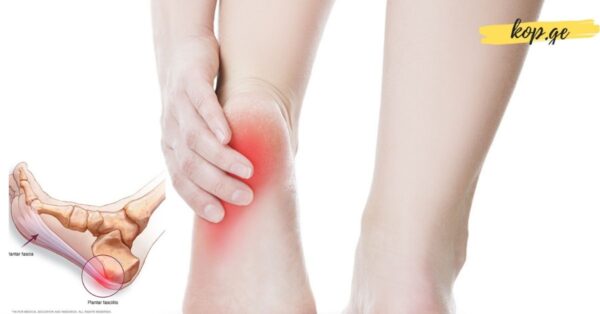
Heel pain can occur under the heel or at its back surface, and although it is rarely a symptom of a serious disease, it can significantly affect daily life. It can interfere with walking, exercising, and general mobility, causing persistent discomfort. Understanding the causes and remedies for heel pain can help you manage it effectively and improve your quality of life.
Common Causes of Heel Pain
Heel pain can arise from multiple conditions, including bursitis, osteomyelitis, Paget’s disease of the bone, peripheral neuropathy, plantar fasciitis, reactive arthritis, rheumatoid arthritis, sarcoidosis, stress fractures, and gout. Identifying the underlying cause is essential, but there are also effective home remedies and natural treatments that can alleviate the pain and inflammation.
Ice Therapy for Heel Pain
One of the most effective ways to relieve heel pain is using a cold compress. Cold reduces inflammation and numbs the area, alleviating discomfort. Apply an ice pack or a bag of frozen vegetables wrapped in a cloth to the heel for 15 minutes at a time. Repeat this several times a day as needed. Never apply ice directly to the skin, as this can cause frostbite. Ice therapy is particularly effective for acute injuries or flare-ups of conditions like plantar fasciitis.
Massage
Massaging the heel is another simple and natural method to reduce pain. While it does not provide a permanent cure, massage offers immediate relief by relaxing muscles, reducing tension, and improving blood circulation. Spend 10 minutes massaging the heel in gentle, circular motions. Repeat as necessary to relieve pain and stiffness. Massage can be enhanced by using natural oils such as coconut, olive, or arnica oil for additional soothing effects.
Stretching Exercises
Stretching exercises are highly effective for reducing heel pain, particularly when related to plantar fasciitis or tight calf muscles. One excellent exercise is the “wall stretch”:
Stand barefoot facing a wall, placing both hands against it.
Step one foot back and slowly bend the front knee, keeping the back leg straight.
Feel the stretch along the back of the calf and heel.
Hold for 30 seconds, then switch sides.
Repeat 10 times for each leg. Regular stretching helps improve flexibility and relieves pressure on the heel.
Epsom Salt Soak
Epsom salt is a natural remedy that can quickly reduce heel pain. The magnesium sulfate crystals help relieve pain, swelling, and inflammation. Dissolve three tablespoons of Epsom salt in warm water and soak your feet for 15 minutes. After soaking, dry your feet and apply a moisturizer. This method is particularly effective for soreness caused by overuse or standing for long periods.
Turmeric
Turmeric has natural anti-inflammatory properties, making it ideal for relieving heel pain. Prepare a simple turmeric remedy by heating one cup of milk with one teaspoon of turmeric powder over low heat for five minutes. Add a little honey for taste. Drink this mixture two to three times daily to reduce pain and inflammation naturally.
Fish Oil
If heel pain is related to arthritis, fish oil can be beneficial. Take 3 grams of fish oil three times a day, ensuring it contains at least 30% EPA/DHA. Fish oil reduces inflammation and promotes joint health, helping alleviate chronic heel pain.
Ginger
Ginger is another effective natural remedy with anti-inflammatory and analgesic properties. You can make ginger tea three times a day or apply fresh ginger paste directly to the heel. Ginger helps reduce pain, swelling, and stiffness in the affected area.
Apple Cider Vinegar
Apple cider vinegar has antioxidant and anti-inflammatory properties. Heat 1½ cups of water and add ¼ cup of apple cider vinegar. Soak a clean cloth in the mixture, wring out excess liquid, and apply it to the painful heel. Cover with a dry towel to retain warmth for 15–20 minutes. Repeat two to three times daily for best results.
Cayenne Pepper
Cayenne pepper contains capsaicin, which can relieve pain. Mix one tablespoon of cayenne pepper with ¼ cup of warm olive oil and apply to the affected heel for 15 minutes, then rinse with warm water. This remedy can also be found in capsaicin creams, which help alleviate pain in heels, muscles, and joints.
Diet and Nutrition
Maintaining a well-balanced, alkaline diet can reduce inflammation and support overall body health, which in turn helps prevent heel pain. Incorporate more fresh fruits and vegetables, drink half a glass of lemon water daily to increase alkalinity, and use pink Himalayan salt instead of regular salt. Drink three to four cups of green tea daily. Avoid excessive consumption of calcium-rich foods, particularly dairy products, as well as processed foods, sugar, caffeine, and alcohol.
Final Tips
Regularly combining these natural remedies can effectively reduce heel pain and improve mobility. Ice therapy, massage, stretching exercises, Epsom salt soaks, turmeric, ginger, fish oil, apple cider vinegar, cayenne pepper, and a healthy diet are all excellent strategies for managing pain and preventing future problems. If heel pain persists, consult a healthcare professional to rule out serious conditions like fractures, severe arthritis, or nerve damage.
By following these natural methods, you can alleviate heel pain, improve comfort, and regain your ability to move freely without relying heavily on medications. Combining home remedies with lifestyle adjustments ensures long-term relief and promotes overall foot health.