






If you are experiencing hormonal changes, then this is something you should definitely consider including in your lifestyle.
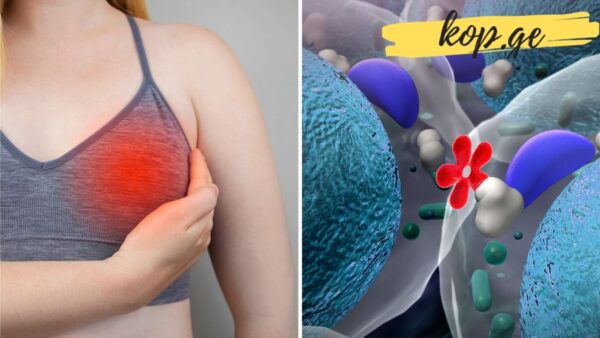
Unexplained weight gain, sudden changes in appetite, irregular sleep patterns, and unexpected mood swings are often signs that our hormones are out of balance. Hormones play a central role in regulating nearly every process in the human body—from metabolism and reproductive health to energy levels and emotional well-being. That is why understanding how they function and learning how to support their balance is essential for long-term health.
It is also important to note that nutrition has a direct influence on hormonal health. What we eat can either promote balance or trigger imbalances that disrupt our overall functioning. At any stage of life, whether young or older, men or women, paying attention to hormone regulation is a key step toward vitality and longevity. Monitoring hormone levels and supporting them with the right diet can prevent many chronic conditions and significantly improve quality of life.
The good news is that certain natural foods can gently help to restore balance, reduce symptoms associated with hormonal fluctuations, and improve overall well-being. When these foods become part of your daily routine, you will likely notice improvements in mood, energy, sleep, and even skin health. Let us look at some of the most effective foods for hormone balance and why they deserve a place in your diet.
Pumpkin Seeds
Pumpkin seeds are small but incredibly powerful when it comes to hormonal health. They not only help normalize hormone levels but also regulate androgen production, which is important for both men and women. By supporting proper sexual development and reproductive function, pumpkin seeds provide benefits that go beyond simple nutrition.
In addition, pumpkin seeds are rich in zinc, magnesium, and antioxidants, which help detoxify the body and reduce inflammation. They also contain vitamins A, E, C, and D—nutrients that strengthen the immune system, support skin health, and help fight insomnia. Including a small handful of pumpkin seeds in your daily diet can make a noticeable difference in how you feel, especially if you struggle with fatigue, anxiety, or restless sleep.
Avocado
Avocado has become a global superfood, and for good reason. Nutritionists often recommend it as part of any balanced diet because it is a rich source of healthy fatty acids and trace minerals. Avocados contain omega-3 fatty acids along with vitamins E, K, and C—all of which play a significant role in regulating estrogen levels.
Consuming avocados regularly can help improve the condition of your skin, enhance nutrient absorption, and support cardiovascular health. For women, avocado’s nutrients assist in balancing reproductive hormones and easing symptoms related to menstrual cycles. Eating just two to three avocados per week can contribute to normalized hormone production and a healthier complexion. Beyond hormone support, avocados also provide fiber that aids digestion and keeps you full longer, helping to prevent unnecessary weight gain.
Herbs and Spices
Herbs and spices are often underestimated when it comes to hormonal health, but they are in fact powerful allies. Their greatest strength lies in their high antioxidant content, which protects the body from oxidative stress and supports the nervous and reproductive systems.
Sage: Known for its positive impact on female reproductive health, sage can also help regulate the central nervous system, reducing tension and supporting relaxation.
Turmeric: This golden spice is famous for lowering cortisol levels, which means it can directly reduce stress and inflammation. Since chronic stress is a major cause of hormonal imbalance, turmeric can be a valuable addition to your meals.
Cinnamon: Particularly beneficial for women experiencing premenstrual syndrome (PMS), cinnamon helps stabilize blood sugar and ease menstrual discomfort.
By incorporating herbs and spices into everyday cooking, you not only enhance flavor but also naturally support your hormonal health.
Leafy Greens: Spinach and Broccoli
Leafy vegetables such as spinach, broccoli, and Brussels sprouts are essential for hormone production, especially estrogen, which is often referred to as the “hormone of youth and beauty.” Estrogen plays a critical role in regulating the menstrual cycle, maintaining bone health, and supporting emotional balance.
Spinach and broccoli are also rich in fiber, iron, and antioxidants, which improve circulation, detoxify the body, and boost energy levels. Eating even a small portion daily—such as one handful of spinach or a serving of steamed broccoli—can support hormonal balance and improve digestion. These greens are also low in calories, making them an ideal choice for anyone trying to manage weight without sacrificing essential nutrients.
Salmon
Salmon is one of the most powerful foods for hormonal balance. It is an excellent source of omega-3 fatty acids, which regulate brain function, support cellular growth, and help control appetite and satiety. Omega-3s are also anti-inflammatory, meaning they reduce the risk of chronic diseases linked to hormonal imbalance, such as metabolic syndrome or thyroid issues.
Beyond healthy fats, salmon provides high-quality protein, phosphorus, magnesium, selenium, and vitamins D, B6, and B12. These nutrients work together to strengthen the immune system, improve mood, and enhance energy. Vitamin D, in particular, is crucial for reproductive health and hormonal balance.
For optimal benefits, it is recommended to eat salmon at least twice a week. Whether grilled, baked, or added to salads, salmon can help stabilize hormones, improve mental clarity, and reduce the risk of cardiovascular disease.
Final Thoughts
Hormones are the body’s chemical messengers, influencing nearly everything we do—how we feel, how we think, and how we function. When they are imbalanced, we may experience weight fluctuations, low energy, irritability, or even more serious health issues. Fortunately, nature provides us with foods that can help restore equilibrium.
By including pumpkin seeds, avocados, herbs, leafy greens, and salmon in your regular diet, you give your body the tools it needs to regulate hormones naturally. This approach not only supports reproductive health but also boosts mood, strengthens immunity, and improves overall quality of life.
Taking small but consistent steps in your diet can create lasting changes. Remember, hormonal balance is not only about preventing problems—it is about thriving, feeling energized, and living in harmony with your body.