





How to Treat Hemorrhoids Quickly and Painlessly? Folk Medicine Can Help
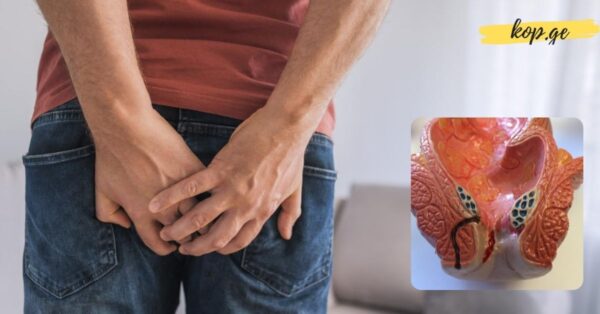
Hemorrhoids, also known as piles, are varicose enlargements of the veins in the lower rectum and anus. They develop when blood accumulates in the cavernous veins of the rectum and small pelvis, usually due to chronic constipation and prolonged straining during bowel movements. When a person frequently strains while defecating, the walls of the rectal veins cannot withstand the constant pressure. This leads to localized swelling and the formation of varicose nodules, which in turn exacerbate constipation. Hard stool rubbing against the swollen mucosa can cause small tears or fissures, allowing infections to occur and initiating an inflammatory process.
Hemorrhoids are often linked to a sedentary lifestyle, pregnancy, or heavy physical exertion. Certain medical conditions, such as liver cirrhosis or heart disease, can also cause venous congestion and blood pooling in the lower body, increasing the risk of developing hemorrhoids.
Men are more commonly affected by hemorrhoids than women. Sometimes hemorrhoids are asymptomatic, causing only minor itching or burning in the anal region. However, if thrombosis forms within the varicose veins or if inflammation occurs, pain may be felt during bowel movements. Infections of enlarged venous nodules can lead to chronic inflammation of the rectum or thrombophlebitis. When external or internal hemorrhoids become trapped, patients often experience severe pain around the anal area.
If hemorrhoids are not treated properly—or left untreated—fissures in the rectum can develop, which are slow to heal. One of the key aspects of hemorrhoid treatment is managing constipation. Patients are usually prescribed a fiber-rich diet, with recommendations to increase intake of fruits, vegetables, and other fiber sources. Mild laxatives may also be recommended. Additionally, mineral waters such as “Borjomi” can aid digestion and improve bowel regularity.
In addition to medical treatment and dietary adjustments, folk medicine offers natural methods to accelerate the healing process and relieve discomfort. These remedies are often effective in reducing pain, inflammation, and swelling.
Folk Remedies for Hemorrhoids
1. Horse Chestnut Infusion
Horse chestnut flowers or seeds are widely used in traditional medicine to alleviate hemorrhoid symptoms. They can help reduce pain, inflammation, and swelling in the rectal veins.
Ingredients:
5 grams of horse chestnut flowers or seeds
50 ml of vodka or another high-proof alcohol
Preparation:
Place the flowers or seeds in a small jar and pour the alcohol over them. Store the jar in a warm, dark place for 14 days, shaking it gently every day to ensure proper infusion.
Usage:
After 14 days, take 30–40 drops of the infusion three times a day for one month. Regular use can significantly reduce discomfort, calm inflammation, and improve the healing of hemorrhoidal nodules.
Horse chestnut contains natural compounds that strengthen vein walls, improve circulation, and reduce swelling. It has been traditionally used in many cultures for vascular problems, including varicose veins and hemorrhoids.
Additional Natural Approaches to Hemorrhoid Relief
Sitz Baths
Warm sitz baths are highly effective for soothing irritated anal tissues. Sitting in a shallow bath of warm water for 10–15 minutes several times a day helps reduce pain, swelling, and itching. Adding chamomile or calendula to the water can provide additional anti-inflammatory benefits.
Dietary Fiber
Increasing fiber intake is essential in preventing and treating hemorrhoids. Fiber softens the stool, reducing strain during bowel movements. Include foods such as oats, whole grains, fresh fruits, vegetables, and legumes in your daily diet. This alone can make a significant difference in both symptom relief and prevention of future flare-ups.
Hydration
Drinking plenty of water is crucial for softening stools and maintaining healthy bowel movements. Dehydration can worsen constipation, increasing the pressure on rectal veins.
Topical Herbal Treatments
Various herbal ointments and creams made from witch hazel, aloe vera, or calendula can provide temporary relief from pain and inflammation. Applying these remedies directly to the affected area soothes discomfort and supports the healing process.
Physical Activity
Gentle exercise, such as walking or yoga, improves circulation and helps prevent venous congestion in the lower body. Avoid prolonged sitting, which can exacerbate hemorrhoid symptoms.
Avoid Straining
Straining during bowel movements is one of the main causes of hemorrhoid formation. Practicing proper bowel habits, including not delaying the urge to defecate and avoiding prolonged sitting on the toilet, can prevent worsening of the condition.
When to See a Doctor
While natural remedies are helpful for mild to moderate hemorrhoid symptoms, medical consultation is necessary in certain cases. If you experience severe pain, bleeding, thrombosed hemorrhoids, or chronic inflammation, consult a healthcare professional for proper diagnosis and treatment. Combining professional medical care with natural remedies often produces the best results.
Conclusion
Hemorrhoids are a common but manageable condition. They result from chronic constipation, venous congestion, physical strain, and lifestyle factors. While medical treatment and dietary changes are essential, folk medicine can significantly accelerate recovery, relieve pain, and reduce inflammation. Remedies such as horse chestnut infusion, sitz baths, fiber-rich diets, hydration, topical herbal treatments, and gentle exercise all work together to improve circulation, strengthen veins, and promote healing.
By integrating these natural methods with proper lifestyle adjustments, individuals can treat hemorrhoids quickly, painlessly, and effectively. These approaches empower patients to manage their symptoms at home while supporting overall digestive and vascular health.