



How to Thin Your Blood at Home? This Can Be Very Helpful!
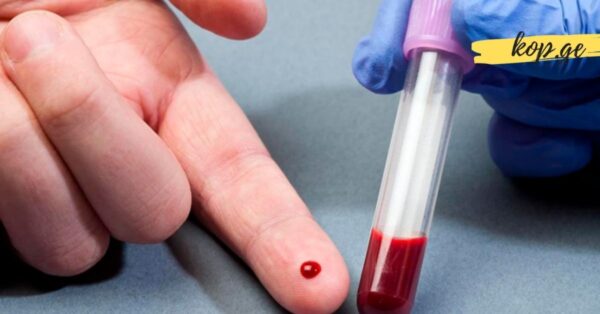
Maintaining healthy blood circulation is crucial for overall wellness. Thick or “sticky” blood can increase the risk of cardiovascular issues, clot formation, and reduced oxygen flow to vital organs. Fortunately, there are natural ways to thin your blood at home using foods, herbs, and simple lifestyle adjustments. Here is a comprehensive guide that can help improve your blood flow safely and effectively.
1. Berries: Cranberries, Strawberries, and Cherries
Certain berries like cranberries, strawberries, and cherries contain natural compounds that help prevent blood clotting. These fruits are rich in antioxidants, such as flavonoids and polyphenols, which protect blood vessels and reduce inflammation. Consuming these berries regularly, either fresh or as juice, can help maintain smooth blood flow and prevent excessive clot formation.
2. Grapefruit
Grapefruit is another fruit that helps improve circulation. It contains vitamin C and bioflavonoids that support vascular health and reduce blood viscosity. Drinking fresh grapefruit juice in the morning or adding slices to your diet can help keep blood thinner naturally.
3. Garlic
Garlic is a well-known natural remedy for blood thinning. It contains allicin, a compound with anti-clotting properties. Regular consumption of garlic can prevent platelet aggregation, reducing the risk of thrombosis. Some studies suggest that eating a few cloves daily can act as a mild blood thinner, supporting heart health.
4. Flaxseeds
Flaxseeds are rich in omega-3 fatty acids and lignans, which help improve circulation and lower cholesterol. A tablespoon of flaxseeds daily can thin the blood and promote heart health. You can add them to smoothies, yogurt, or cereals for easy consumption.
5. Artichokes
Artichokes are effective at reducing cholesterol levels and blood thickness. They contain compounds that stimulate bile production, supporting liver function and helping to prevent plaque buildup in arteries. Eating artichokes regularly can support healthy blood flow.
6. Limit Vitamin K-Rich Foods
Vitamin K plays a key role in blood clotting. If your goal is to thin the blood, consider moderating your intake of foods extremely high in vitamin K, such as spinach, kale, and other leafy greens. Balance is key, as vitamin K is still essential for overall health.
7. Olive Oil
Olive oil is a healthy fat that not only improves heart health but also acts as a natural blood thinner. Its polyphenols reduce platelet aggregation and support vascular function. Use extra virgin olive oil in salads, cooking, or as a finishing oil for meals.
8. Medical Supplements and Medications
For more targeted blood-thinning effects, some medical supplements and medications may be recommended, such as:
Thrombo-Assi (herbal remedy)
Heparin ointment or Lioton gel (topical anticoagulants)
It’s important to consult a doctor before using these treatments. Self-medicating with blood-thinning agents can be dangerous and potentially life-threatening.
9. Lemon
Lemon is a versatile fruit that can be used in both food and drink. Its acidity and vitamin C content improve circulation and support liver detoxification, contributing to thinner, healthier blood. Adding lemon slices or juice to your water daily is a simple yet effective practice.
10. Gooseberry Juice
Gooseberry (amla) juice is rich in antioxidants and helps maintain smooth blood flow. Its combination of vitamin C and other phytochemicals helps prevent oxidative stress, which can thicken blood. Drinking fresh gooseberry juice a few times a week can improve circulation.
11. Aspirin
Aspirin contains salicylic acid, which reduces platelet aggregation and helps thin the blood. In addition to its medicinal use, natural sources of salicylic acid—such as strawberries, rowan berries, and willow bark—can also help support circulation. However, aspirin should only be taken under medical supervision to avoid side effects.
12. Understanding Thick Blood
Thick blood, or hypercoagulability, means blood viscosity is increased. This condition can be influenced by many factors, including damaged blood vessels, liver dysfunction, dehydration, and high cholesterol. Understanding the root cause is essential for choosing the right method to thin blood.
13. Dietary Changes
To improve blood flow, focus on a diet rich in water, fresh fruits, and vegetables, while reducing intake of excessive fats and proteins. This helps lower cholesterol and prevent blood clot formation. Adequate hydration is crucial to maintain blood fluidity.
14. Antioxidant-Rich Foods
Antioxidants help remove free radicals, which can contribute to thicker blood. Include tomatoes, strawberries, blueberries, and green tea in your diet. These foods support vascular health and improve overall circulation.
15. Foods for Thrombophlebitis
For conditions like thrombophlebitis, beneficial foods include ginger, nuts, pineapple, watermelon, onions, and cinnamon. At the same time, limit soy, certain beans, and bananas, which may negatively affect blood flow in some cases.
16. Omega-3 Fatty Acids
Omega-3 fatty acids, found in fish (especially mackerel, salmon, and herring) and certain vegetables, help thin the blood naturally. They improve heart function, reduce cholesterol levels, and enhance cognitive abilities. Regular consumption is recommended for overall cardiovascular health.
17. Pomegranate Juice and Extracts
Pomegranate is highly effective in supporting circulation. Drinking pomegranate juice or taking pomegranate-based supplements at night can help maintain thinner blood and reduce oxidative stress. This fruit is rich in polyphenols, which improve vascular elasticity and prevent clot formation.
18. Apple Cider Vinegar
Apple cider vinegar is a natural, accessible remedy for blood thinning. Mix one tablespoon in 200 ml of water and drink once a day. Within a week, improvements in circulation and blood consistency may be noticeable.
Conclusion
Thinning your blood at home can be achieved safely with a combination of dietary choices, natural supplements, and careful lifestyle management. Foods such as berries, garlic, olive oil, flaxseeds, and citrus fruits play a vital role in maintaining proper circulation. Additionally, medical guidance is essential when considering pharmaceutical blood thinners to avoid complications. By following these methods, you can support heart health, prevent clot formation, and maintain overall wellbeing.
Important: Always consult a healthcare professional before starting any blood-thinning regimen, especially if you are on medication or have underlying health conditions.