





How to Store Raspberry Leaves for the Winter? They Are Just as Beneficial as the Berries Themselves
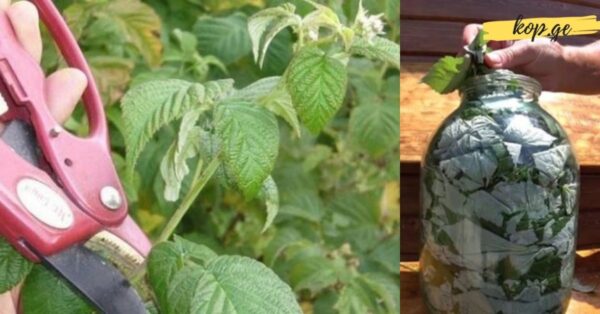
In summer, raspberry leaf tea carries a strong, fragrant aroma; by winter, that aroma is much fainter. To preserve as much of that original scent and medicinal potency as possible, we must use special storage techniques. In this article, you’ll learn how to harvest and store raspberry leaves so they retain their aroma, color, and healing qualities through the cold months.
🍃 Why Raspberry Leaves Are Valuable
Raspberry leaves contain a wealth of micronutrients and phytochemicals that support health. Some of their key benefits include:
Antipyretic & Antimicrobial Effects — Helps reduce fever and fights pathogens during colds and flu
Anti-inflammatory Properties — Eases inflammation in the body
Respiratory Support — Can aid breathing in bronchitis and pneumonia
Immune Boosting — Strengthens general immune defenses
Because of these attributes, raspberry leaf tea is a favored herbal remedy across many traditions, especially in colder seasons when respiratory ailments are more common.
📆 When to Harvest Raspberry Leaves
To maximize the medicinal value of the leaves, you must pick them at the right time:
Best Month for Harvesting: July is typically ideal. By September, raspberry bushes begin preparing for winter, and leaf chemistry changes — making leaves less potent for medicinal use.
Time of Day: Early morning, after any dew has dried but before the heat of midday, is the best time to pick.
Which Leaves to Pick: Choose healthy, young leaves that are dark green, smooth, and free from damage or pests. These leaves are usually at the top of the plant. Avoid older, larger leaves from the lower parts of the bush—they contain lower concentrations of active substances.
☀️ How to Dry Raspberry Leaves Properly
Drying is a critical stage. Poor drying can lead to decay, loss of aroma, and diminished therapeutic value. Follow these steps for optimal results:
Wash Gently
Rinse the freshly picked leaves under cold running water to remove dust or insects.
Drain Excess Moisture
Lay the leaves out on a sieve or clean cloth to let water drip off thoroughly.
Air-Dry in Shade
Spread leaves in a single thin layer on trays in a cool, dark room. Avoid direct sunlight, which can bleach and degrade them.
Rotate or gently stir the leaves periodically so they dry evenly and don’t mold.
Drying Time
It usually takes 4–5 days for leaves to dry fully, depending on humidity and room conditions. They should feel crisp and brittle when fully dried.
Check for Complete Dryness
Bend a leaf—if it snaps cleanly, it’s dry. If it bends or feels leathery, more drying time is needed.
🏺 Storage Conditions & Guidelines
Once dried, proper storage is essential to maintain maximum benefits.
Shelf Life
Dried raspberry leaves remain most potent for up to two years under ideal storage conditions. With very careful storage (cool, dark, dry), their viability may stretch beyond that, but aroma and potency gradually decline.
Containers
Use glass jars or breathable cloth sacks. Avoid plastic bags or containers—they can trap moisture and lead to spoilage or mildew.
Location
Store the containers in a cool, dark place away from direct sunlight. Excess light or heat degrades volatile oils and active compounds.
Labeling
Always label jars with the harvest date. Use the older leaves first to ensure freshness.
🫖 Using Raspberry Leaf Tea in Winter
When you brew tea from properly dried raspberry leaves, the aroma, flavor, and effectiveness will be much closer to what it tastes like in summer. Some tips for use:
Use 1–2 teaspoons of dried leaves per cup of hot water.
Steep for 5–10 minutes with a lid on to trap volatile oils.
Drink two to three cups a day, especially during cold seasons, to support your immunity and respiratory system.
Because the leaves are well preserved, you’ll enjoy better flavor, stronger aroma, and full therapeutic benefit — just as if you were drinking summer-picked leaf tea.