







How to Remove Excess Earwax: Safe and Fast-Acting Methods
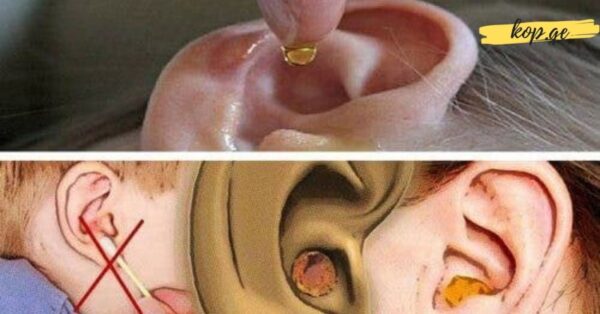
Earwax may be one of the most misunderstood substances produced by the human body. Many people try to remove it aggressively, often believing it to be something dirty or unnecessary. In reality, earwax is a natural protective material produced by glands inside the ear canal. It lubricates the ear, traps dust and debris, and helps defend against fungus, viruses, and bacteria. Rather than being a form of bodily waste, earwax is an essential part of a healthy ear.
Problems arise only when earwax builds up in excessive amounts. When too much is produced or when it becomes impacted, it can block the ear canal and cause discomfort. Symptoms of excessive earwax may include decreased hearing, a feeling of fullness in the ear, itching, ringing noises, or even dizziness. Unfortunately, many people do not know how to handle this situation safely, and they often turn to solutions that can make the problem much worse.
One of the biggest mistakes is attempting to remove earwax using cotton swabs, hairpins, or other objects. These tools push earwax deeper inside the canal, compacting it and increasing the risk of infection, irritation, or even damage to the eardrum. Because of this, healthcare professionals strongly recommend avoiding such methods.
This article will walk you through some of the safest, gentlest, and most natural approaches traditionally used to soften or remove excess earwax—while emphasizing when it is important to seek professional medical help.
1. Saline (Physiological) Solution
A simple saline solution is one of the safest ways to soften earwax so that it can naturally exit the ear canal.
Ingredients
1 teaspoon of salt (5 g)
½ cup of warm water (125 ml)
Cotton ball or dropper
Instructions
Dissolve the salt thoroughly in warm water. Soak a cotton ball in the solution and squeeze a few drops into the affected ear. Tilt your head so the treated ear faces upward, allowing the saline to stay inside for three to five minutes. This softens the hardened wax, making it easier for the ear to drain naturally. Afterward, tilt your head in the opposite direction to allow the mixture and the softened wax to flow out. Finally, clean only the outer ear with a soft cloth.
This method is gentle and safe for most people, as it simply moisturizes and softens wax rather than forcing it out.
2. Warm Olive Oil
Olive oil has long been used as a natural softening agent for earwax. It is gentle on the skin and works slowly but effectively.
Warm a small amount of olive oil—just enough to feel slightly warmer than room temperature but never hot. Using a clean dropper, place two to three drops into the ear. Allow the oil to sit for about ten minutes with your head tilted. During this time, the oil softens the wax and allows it to loosen. Once the time is up, tilt your head to the opposite side so the oil and wax can naturally drain out.
This method is often recommended for people with dry or particularly stubborn wax. However, olive oil should not be used if you suspect an infection or notice pain, discharge, or swelling.
3. Almond Oil
Similar to olive oil, almond oil is another natural remedy used to soften excess earwax. It is lightweight and rich in soothing properties, making it a popular choice for sensitive ears.
First, warm the almond oil slightly. Using a dropper, add four to five drops into the ear. Keep your head tilted so the oil remains inside the canal for 10–15 minutes. Afterward, place a clean cloth or cotton pad near the ear and tilt your head to allow the oil and loosened wax to drain.
While almond oil is generally safe, people with nut allergies should avoid this method entirely.
4. Hydrogen Peroxide (3%)
Hydrogen peroxide is one of the most commonly known home remedies for dissolving earwax. It works by releasing small oxygen bubbles that help break down and soften hardened wax.
Ingredients
1 teaspoon of 3% hydrogen peroxide (5 ml)
1 teaspoon of water (5 ml)
Instructions
Mix equal parts hydrogen peroxide and water. Using a dropper, apply about five drops to the affected ear. You may hear fizzing sounds—this is normal, as the solution interacts with the wax. Keep your head tilted for about 10 minutes. Once the time is up, tilt your head to the opposite side to drain the solution and any softened wax.
While hydrogen peroxide can be effective, it must not be used if you suspect an infection, have ear pain, notice fluid discharge, or have had ear surgery. In such cases, peroxide can irritate the sensitive tissues and worsen the condition.
Safety First: When Home Remedies Are NOT Appropriate
Even though the methods above are widely used, they are suitable only when the ear is healthy and the issue is simply excess wax. You should never attempt home treatment if you experience:
Severe ear pain
Persistent hearing loss
Fever or dizziness
Fluid or blood leaking from the ear
A known perforated eardrum
History of chronic ear infections
Pain when touching or pulling the outer ear
In such cases, attempting home remedies can cause complications. It is essential to consult a healthcare provider who can safely remove earwax using professional tools such as irrigation systems or microscopic extraction.
Understanding Why Earwax Builds Up
Excess earwax can result from a variety of factors. Some people naturally produce more earwax than others. Wearing hearing aids, earplugs, or headphones frequently can also prevent wax from exiting the ear naturally. Stress, diet, and even the environment may influence wax production. Knowing the cause can help prevent recurring problems.
Conclusion
Earwax is not something you should fear or constantly try to eliminate. It is a protective, natural substance that keeps your ears healthy. Problems arise only when it accumulates excessively. Before resorting to harsh tools or unsafe removal techniques, try gentle methods such as saline solutions or natural oils, always being mindful of cleanliness and caution.
However, if symptoms persist or worsen, professional care is the safest and fastest solution. Your ears are delicate, and protecting them should always come first.