







How to Fight Swelling: 6 Helpful Tips to Manage This Problem
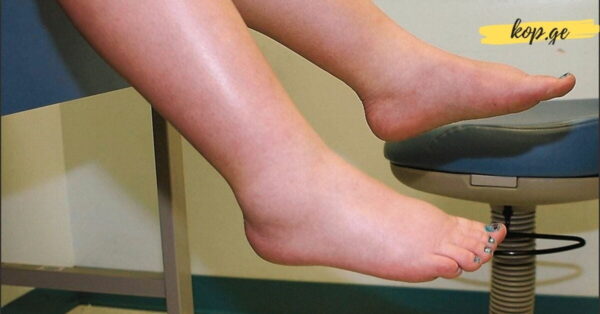
The human body is composed of roughly 60–70% water. About two-thirds of this water is stored inside our cells, while the remaining portion stays in the spaces between them. When the amount of fluid within these spaces increases, swelling—also known as edema—can occur. Although swelling may appear mild or temporary, it is often a sign that your body is experiencing some form of imbalance.
If swelling is a recurring or persistent issue for you, the first and most important step is to consult a doctor. A healthcare professional can help determine the underlying cause and guide you toward the appropriate treatment. However, along with medical guidance, there are supportive lifestyle habits that may help you manage everyday swelling. Below, we share several practical recommendations that may assist in easing discomfort and promoting overall balance in your body.
How to Fight Swelling: Practical Steps
1. Start With Your Diet
Your diet plays a major role in managing swelling. One of the first things to consider is reducing your intake of salt. Excess sodium can cause the body to retain water, making swelling more likely. Limiting refined carbohydrates and cutting back on overly spicy foods may also help you feel lighter and more comfortable.
Late-night eating can also contribute to morning puffiness, as the body may hold onto fluids during sleep. Try to avoid heavy meals right before bedtime, giving your system enough time to digest properly.
Making mindful adjustments to your eating habits can support your body’s natural balance and reduce the likelihood of fluid buildup.
2. Don’t Forget Vitamins and Minerals
Swelling can sometimes indicate that your body needs more fresh fruits, vegetables, and leafy greens. These foods provide essential vitamins, fiber, and hydration that support overall well-being. Nutrients like potassium and magnesium are especially important because they help regulate fluid balance.
Foods rich in potassium include bananas, avocados, tomatoes, oranges, and potatoes. Magnesium can be found in nuts, seeds, whole grains, and dark leafy greens. By adding these ingredients to your meals, you’re giving your body the tools it needs to maintain proper fluid distribution.
A balanced diet full of colorful produce not only helps with swelling but also supports energy, digestion, and a stronger immune system.
3. Move More!
A sedentary lifestyle can contribute to swelling, especially in the legs, ankles, and feet. When we stay in one position for too long—whether sitting or standing—fluid can accumulate in the lower parts of the body.
Incorporating movement into your daily routine is one of the simplest ways to encourage better circulation. Regular walking, gentle stretching, or a short morning exercise routine can stimulate blood flow and help your body eliminate excess fluid more effectively.
Even small habits, such as taking the stairs instead of the elevator or standing up every hour for a quick stretch, can make a meaningful difference in how you feel.
4. Swelling is NOT a reason to avoid drinking water
Many people mistakenly think that drinking less water can reduce swelling, but the opposite is true. When your body doesn’t receive enough fluid, it may hold on to whatever water it has left, leading to even more swelling.
Generally, adults are encouraged to drink around two liters of water a day, though individual needs vary depending on activity level, climate, and health conditions. The most important thing is to spread your water intake throughout the day rather than drinking large amounts right before bed.
Consistent hydration helps your body flush out impurities, regulate temperature, and maintain healthy fluid balance.
5. Sleep Is Essential
Quality sleep is vital for both physical and emotional well-being. Without sufficient rest, the body cannot repair tissues efficiently or regulate fluid levels properly. Lack of sleep can contribute to puffiness, under-eye bags, and general swelling throughout the face and body.
Aim to establish a healthy nighttime routine that allows you to unwind and relax before bed. Even small improvements—reducing screen time, keeping your room cool, or going to bed at the same time each night—can significantly improve the quality of your sleep.
Rest is not a luxury; it is a necessity for maintaining your overall health and balance.
6. Consider a Specialized Massage
When swelling affects the face, a lymphatic drainage massage may be helpful. This type of massage is designed to support the lymphatic system, which plays a key role in fluid movement and detoxification. Lymphatic drainage involves gentle, precise motions that encourage the natural flow of lymphatic fluid.
It’s essential that this massage be performed by a trained specialist who understands the proper techniques. Never attempt complex procedures at home without professional guidance.
A well-executed massage can promote relaxation and help reduce facial puffiness, making you feel refreshed and rejuvenated.
By keeping these tips in mind and applying them consistently, many people find relief from occasional swelling and enjoy a greater sense of comfort in their daily lives.
Kop.ge is a platform dedicated to sharing useful advice on health, self-care, and everyday living. Our aim is to provide natural remedies and simple recipes that can help you enhance your health, improve your beauty routine, and simplify your daily tasks. What makes our approach special is that you can try these methods right at home, enjoy the process, and save money along the way.
Much of the information you’ll discover on our site can easily become part of your daily habits. You can share your experiences with family and friends, helping others make their lives easier as well. At Kop.ge, we believe that you don’t need expensive treatments or luxury products to feel healthier and more confident. With basic ingredients found in your kitchen or garden, you can achieve remarkable results.
Although the recipes and tips published on Kop.ge are not harmful, we always recommend consulting a doctor before using any natural remedy as a form of treatment. Personalized medical advice ensures that you choose what’s best and safest for your individual needs.