




How Grandma Cured Bloating, Nausea, and Pain with Pickled Cabbage
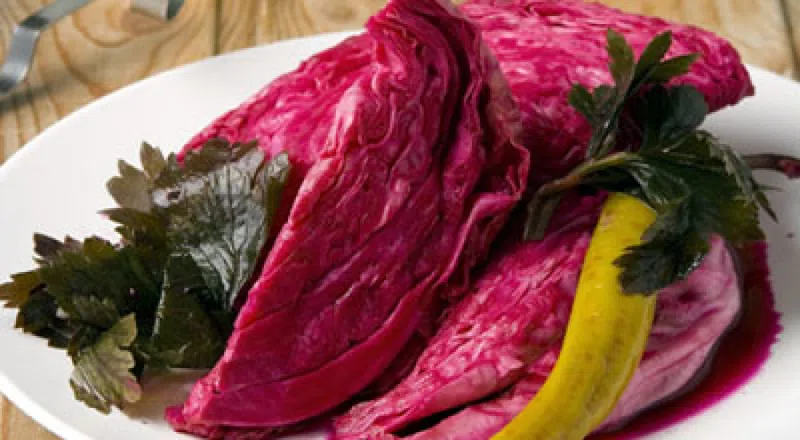
In almost every traditional household across Eastern Europe and the Caucasus, there was always a big jar of pickled cabbage sitting quietly in the pantry or on the balcony. For our grandmothers, it wasn’t just a way to preserve food for the winter—it was a living remedy, bubbling with health. When someone complained of an upset stomach, nausea, or even general weakness, the answer was often simple: “Drink a little cabbage brine.”
Today, science helps us understand why that humble, sour-tasting liquid really worked. But long before laboratories proved anything, folk medicine had already discovered its value.
The Healing Tradition of Fermentation
Pickling cabbage is one of humanity’s oldest methods of food preservation. Before refrigeration, fermentation kept vegetables edible for months and enriched them with beneficial bacteria. During this process, naturally occurring lactic acid bacteria (such as Lactobacillus) break down the sugars in cabbage, producing lactic acid that both preserves the food and enhances its nutritional profile.
Grandma didn’t know the word “probiotic,” but she knew what it meant to have a “healthy stomach.” The cloudy liquid in the jar was, in fact, a natural probiotic drink—long before such beverages became trendy in modern wellness circles.
For Bloating and Indigestion
Whenever someone felt bloated or complained that their food “sat heavy” in the stomach, folk wisdom turned to pickled cabbage juice. The brine contains enzymes and beneficial bacteria that support digestion and restore gut flora. In modern terms, it helps balance the microbiome, promoting the breakdown of food and preventing gas formation.
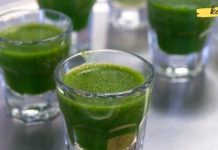
In rural households, a small glass of brine before a meal was a common practice, especially after heavy or fatty food. People noticed that it reduced the uncomfortable pressure and improved appetite. Scientists now confirm that fermented foods can increase stomach acid production, aiding digestion and preventing the stagnation of food in the gut.
So, when Grandma offered a sip of that sharp, salty juice for bloating, she was, in her own way, prescribing a natural digestive aid.
For Nausea and the Morning After
Folk medicine also relied on pickled cabbage brine to cure nausea—especially after overeating or drinking. Long before the concept of “electrolyte balance” entered health advice, people intuitively reached for the brine the morning after a feast.
Why does it help? The brine is rich in sodium, potassium, and beneficial acids that rehydrate the body and restore electrolytes lost through dehydration. The sourness stimulates saliva and digestive juices, calming the stomach. It’s the same principle behind sports drinks, except that Grandma’s version was entirely natural and free of additives.
Even modern nutritionists recognize the logic: the combination of water, minerals, and probiotics helps the liver metabolize alcohol faster and soothes the stomach lining irritated by excess. It’s not magic—it’s biochemistry hidden in a folk cure.
For Pain and Inflammation
In folk medicine, pickled cabbage was also used externally. When someone had a swollen joint, a bruise, or muscle pain, cabbage leaves soaked in brine were placed directly on the skin. The lactic acid and minerals helped draw out inflammation and reduced swelling.
Women used cabbage compresses for breast pain after childbirth; others used them for sore knees or sprains. Modern research has found mild anti-inflammatory and antibacterial effects in fermented cabbage, confirming that those homemade poultices had real physiological value.
Internally, the vitamins and antioxidants in cabbage—especially vitamin C, vitamin K, and polyphenols—strengthen tissues and reduce oxidative stress, which also helps relieve chronic pain and fatigue.
A Remedy for Weakness and Anemia
During long winters, when fresh fruits and vegetables were scarce, pickled cabbage became a vital source of nutrients. The fermentation process actually increases vitamin C content and preserves folate, both of which are essential for blood health and energy.
Our grandmothers didn’t speak of “antioxidants” or “immune support,” yet they knew that a little cabbage salad or a sip of brine could revive strength after illness or exhaustion. Even mild anemia or weakness was treated with this daily tonic, often combined with other fermented vegetables like beets or carrots.
Folk Wisdom Meets Modern Science
What makes pickled cabbage so remarkable is how well it bridges folk tradition and modern science. Today, nutritionists praise fermented foods for improving gut health, enhancing immunity, and even affecting mood through the “gut-brain axis.” Research shows that probiotic-rich foods can lower inflammation, regulate digestion, and support metabolism—all effects our ancestors recognized intuitively.
In a world where supplements and synthetic probiotics are marketed as health miracles, it’s humbling to realize that Grandma’s simple jar of cabbage did much of the same work—naturally, cheaply, and sustainably.
How to Use It Today
To revive this tradition safely and effectively:
Choose naturally fermented cabbage, not vinegar-pickled (which lacks probiotics).
A small glass (about 100 ml) of brine before or after meals aids digestion.
For bloating or mild nausea, sip slowly, preferably at room temperature.
For external use, apply cabbage leaves (fresh or brined) as compresses on swollen or painful areas for 20–30 minutes.
Of course, people with high blood pressure should moderate intake, since brine is salty. As with all remedies, moderation and awareness are key.
Conclusion: A Jar Full of Wisdom
The story of pickled cabbage reminds us that folk medicine wasn’t guesswork—it was careful observation passed through generations. The jar that once stood quietly in Grandma’s kitchen was more than preserved food; it was a symbol of self-reliance and respect for nature’s processes.
In every sip of that tart, cloudy brine lives a small piece of ancestral knowledge: that healing doesn’t always come from a pharmacy. Sometimes, it comes from patience, salt, time—and a wise grandmother who knew exactly what to reach for when your stomach hurt.