


How Can We Prevent Blood Clotting?
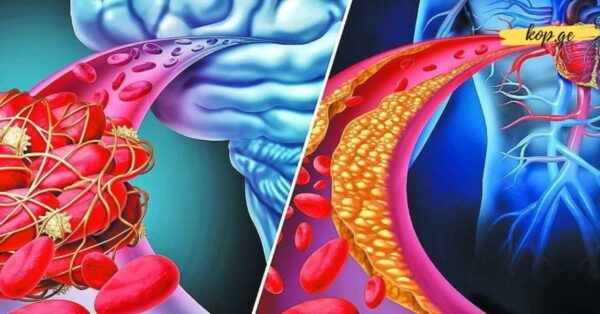
There is a wide range of natural blood thinners—also known as natural anticoagulants—that may help reduce the risk of unwanted blood clot formation. Most of these foods and nutrients are also beneficial for overall health, which makes understanding them even more valuable.
What Is Blood Clotting?
Blood clotting is a natural and essential protective process. When you get injured, your blood thickens to form a clot that seals the wound and prevents excessive bleeding. In this context, clotting is helpful and even lifesaving.
However, blood clots can also form inside veins or arteries when they are not needed, and that can be dangerous. A clot is essentially a cluster of blood cells and tissue particles that sticks together. When this happens inside a blood vessel, the clot can block circulation. If such a clot breaks loose and travels through the bloodstream, it may reach the heart, lungs, or brain, causing life-threatening conditions such as a heart attack, stroke, or pulmonary embolism.
Poor circulation, long periods of inactivity, dehydration, or underlying health conditions can increase the risk. That is why supporting healthy blood flow through lifestyle and dietary choices is so important.
Natural Blood-Thinning Approaches
1. Sunlight and Vitamin D
In Ayurvedic medicine and in more recent nutritional research, vitamin D has been recognized as playing a role in blood health. Although its primary function is supporting strong bones and a healthy immune system, vitamin D also influences certain proteins involved in coagulation. Getting enough vitamin D from sunlight, fortified foods, or supplements may help maintain normal blood consistency. Nevertheless, it should be used with care, as excessive supplementation can lead to other health problems.
2. Water: One of the Most Effective Natural Blood Thinners
Proper hydration is one of the simplest and most powerful ways to reduce clot risk. When you are dehydrated, your blood becomes more viscous (thicker), making clots more likely to form. Drinking enough water throughout the day keeps blood flowing freely. Most adults benefit from 1.5–2 liters of water daily, though individual needs vary based on climate, activity level, and health conditions.
3. Regular Moderate Exercise
Daily physical activity dramatically improves circulation and decreases the likelihood of clot formation. Even moderate exercise—such as brisk walking, stretching, or cycling—helps prevent blood from pooling in the legs. In contrast, long periods of immobility (for example, sitting on a couch for hours or traveling long distances without movement) significantly increase the risk of deep vein thrombosis (DVT). Taking short movement breaks every hour can make a meaningful difference.
Foods and Natural Compounds That Help Thin the Blood
1. Salicylates
Salicylates are plant-derived acids that can naturally reduce clotting by blocking vitamin K activity. Vitamin K is essential for producing clotting factors, so limiting excessive vitamin K through salicylates can support thinner blood.
Common foods and spices rich in salicylates include:
Apple cider vinegar
Cayenne pepper
Cinnamon
Turmeric
Curry powder
Oregano
Mint
Ginger
Paprika
Thyme
Dill
Many fruits—fresh or dried—also contain salicylates. These foods not only support healthy circulation but also provide antioxidants and anti-inflammatory benefits.
2. Coumarin
Coumarin is a natural compound found in various plants. In controlled amounts, it has anticoagulant properties, although in high doses it may be toxic. Synthetic derivatives of coumarin (such as warfarin) are used as prescription blood thinners.
Natural sources of coumarin include:
Alfalfa
Tonka bean (not commonly eaten due to toxicity concerns)
Certain types of cinnamon
Chamomile
Licorice root
Some berries and herbs
Because coumarin can interact with medications, it is essential to use these plants cautiously.
3. Omega-3 Fatty Acids
Omega-3 polyunsaturated fatty acids—particularly EPA and DHA found in fish oil—are widely known for their cardiovascular benefits. Cold-water fish like salmon, tuna, herring, mackerel, and anchovies are excellent sources.
Omega-3s help reduce platelet aggregation, meaning they make blood cells less likely to clump together. This can slightly increase bleeding time, contributing to a natural blood-thinning effect. There is also evidence that omega-3s improve fibrinolysis, which is the process that breaks down existing clots.
Plant-based sources of omega-3s include flaxseed, chia seeds, and walnuts, although these provide ALA, which is less potent than the omega-3s found in fish.
4. Garlic
Garlic contains several bioactive compounds—most notably allicin, adenosine, and various sulfur compounds—that have antithrombotic properties. These components can reduce the tendency of platelets to form clots.
Garlic has been studied for its potential to lower blood pressure, improve cholesterol profiles, and support overall vascular health. However, when taken in supplement form, garlic may increase the effect of prescription blood thinners, so individuals on medications should consult their doctor.
5. Additional Natural Blood-Thinning Foods and Supplements
Several other natural agents may reduce clotting tendencies or support healthier circulation. These include:
Ginseng
Ginger
Policosanol
Magnesium
Coenzyme Q10 (CoQ10)
Glucosamine
L-arginine
Taurine
Onions
Many of these compounds have anti-inflammatory or vasodilating effects, further enhancing circulation. However, supplements should be used carefully, especially by people taking anticoagulant medications.
A Final Word
Incorporating natural blood-thinning foods into your daily routine—along with proper hydration, sunlight exposure, and regular physical activity—can support healthy circulation and reduce the risk of dangerous clot formation. However, anyone with a personal or family history of clotting disorders, or those taking blood-thinning medications, should speak with a healthcare professional before making significant dietary or supplement changes.