



How Can We Heal the Gallbladder and Liver Naturally?
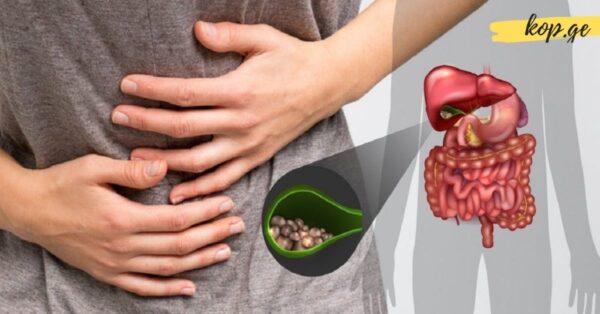
The liver is the largest digestive gland in the human body, weighing approximately 1.5 kilograms. It plays a vital role in metabolism, the storage of essential substances, and the production of bile, which is necessary for the digestion and absorption of fats. Along with the gallbladder, the liver is central to detoxification and overall digestive health. When either of these organs becomes overburdened or impaired, the entire body can suffer.
Key Functions of the Liver
The liver performs a wide range of essential functions, including:
Heat regulation: The liver has the highest temperature of any organ in the body, reaching up to 40°C, which supports metabolic activity.
Detoxification: It removes harmful substances, toxins, and metabolic waste from the bloodstream.
Digestion support: Nutrients broken down in the small intestine are transported to the liver, where they are transformed into substances beneficial—or at least harmless—to the body.
Bile production and secretion: Bile helps emulsify fats in the small intestine and neutralizes hydrochloric acid from the stomach.
Blood sugar regulation: The liver maintains stable glucose levels by storing excess glucose as glycogen and releasing it when needed.
Storage of nutrients: Vitamins, minerals (including iron), and other essential nutrients are stored in the liver for later use.
In addition, the liver purifies the blood by removing bilirubin and the remnants of worn-out red blood cells. When the liver or gallbladder contains stones—even very small ones—metabolism becomes disrupted, and the body may begin to experience systemic discomfort and illness.
Supporting Liver and Gallbladder Health Naturally
According to traditional health practices, liver cleansing should begin with improving bowel function. Preventing constipation is important so that waste products released from the liver can exit the body efficiently, rather than being reabsorbed and causing further intoxication. Fasting alone is not considered an effective way to cleanse the liver.
In traditional views, the liver is most active between 1:00 and 3:00 a.m. Signs of liver imbalance may include bitterness in the mouth, pain or heaviness on the right side under the ribs, difficulty bending, fatigue, and digestive discomfort. To support liver function, a diet rich in fruits and vegetables is often recommended.
The best time to take medications or herbal preparations for liver conditions, according to folk medicine, is in the morning after waking and before water-based hygiene routines. However, modern medical advice should always take priority.
Natural Diet and Lifestyle Considerations
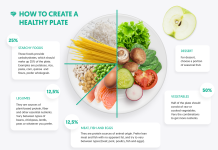
Maintaining liver and gallbladder health requires a balanced diet, adequate hydration, regular physical activity, and minimizing exposure to toxins. Fatty, fried, overly spicy foods and excessive sugar can burden the liver. Instead, emphasis should be placed on fresh produce, whole grains, moderate protein intake, and healthy fats.
Gentle physical activity, fresh air, and proper sleep also play important roles in maintaining the natural detoxification processes of the body.
A Traditional Folk Recipe for Liver and Gallbladder Support
Below is a traditional folk recipe that has been described as one of the most effective natural remedies for liver and gallbladder conditions. It is important to note that this preparation comes from traditional sources and is intended for adults only. It should not be used by children or adolescents, and medical consultation is essential before considering such remedies.
Ingredients (Traditional Formulation)
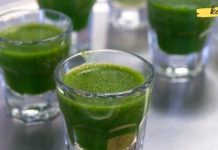
Freshly squeezed carrot juice
Freshly squeezed red beet juice
Freshly squeezed black radish juice
Fresh aloe vera juice (from a plant at least 3 years old)
0.5 liters of natural honey
0.5 liters of vodka (alcohol-based component)
The carrot, beet, and black radish juices are prepared in equal quantities so that each yields 0.5 liters. These juices are then combined with aloe juice, honey, and vodka.
The mixture is traditionally poured into a three-liter glass jar, mixed thoroughly, sealed, and stored in a dark, cool environment for a period of time. In folk practice, it is taken in small amounts before meals, while avoiding fatty foods, fried dishes, spicy meals, and alcohol during the entire period of use.
Important note: Alcohol-based preparations are not appropriate for minors and may not be suitable for many adults due to health conditions, medications, or personal circumstances. Non-alcoholic alternatives using vegetable juices and honey alone are often preferred today.
Modern Perspective and Safety Considerations
While many traditional remedies emphasize natural ingredients, not all methods align with modern medical standards. Liver and gallbladder disorders can range from mild functional issues to serious medical conditions requiring professional diagnosis and treatment. Self-treatment, especially using strong or fermented preparations, may delay proper care.
Anyone experiencing persistent abdominal pain, jaundice, nausea, unexplained fatigue, or digestive problems should consult a healthcare professional. Natural methods can sometimes complement medical treatment but should never replace it.
Final Thoughts
The liver and gallbladder are remarkably resilient organs, capable of regeneration and recovery when supported properly. A healthy diet, regular physical activity, sufficient rest, and avoidance of harmful substances are the foundation of liver health. Traditional knowledge offers valuable insights, but it should be applied thoughtfully, responsibly, and with appropriate medical guidance.
We encourage readers to listen to their bodies, stay informed, and prioritize safe, evidence-based care.