




How to Make Apple Cider Vinegar at Home: A Simple and Effective Method
Apple cider vinegar (ACV) has become increasingly popular worldwide, praised for its unique taste, culinary versatility, and natural health benefits. From salad dressings and detox drinks to natural remedies, this humble vinegar has found its way into countless kitchens and wellness routines. The good news is that making apple cider vinegar at home is surprisingly simple—and the result is often far superior to store-bought varieties.
In this article, we’ll guide you step by step on how to create homemade, 100% organic apple cider vinegar that you can use in your cooking, health routines, and beauty treatments. Once you try it, you’ll likely want to make it regularly, enjoying both the process and the fresh, tangy flavor that only homemade ACV can provide.
Why Make Your Own Apple Cider Vinegar?
There are several reasons why homemade ACV is worth the effort:
Natural and Organic: You control every ingredient, avoiding preservatives, added sugars, or artificial flavorings commonly found in commercial brands.
Cost-Effective: A batch of homemade vinegar is far less expensive than store-bought organic versions.
Customizable Flavor: You can adjust sweetness or fermentation time to match your taste preference.
Health Benefits: ACV is traditionally used to support digestion, maintain balanced blood sugar levels, and act as a natural tonic for general wellness.
Homemade ACV is not just a kitchen ingredient—it’s a versatile, multi-purpose staple that belongs in every home.
Ingredients and Supplies You Will Need
To prepare apple cider vinegar at home, gather the following ingredients and equipment:
1 kilogram (about 2.2 lbs) of fresh apples
3 tablespoons of sugar (to feed the fermentation process)
Filtered or mineral water
A large glass container
A clean cloth or cheesecloth
A rubber band or string to secure the cloth
It’s important to use clean equipment and fresh, preferably organic apples to ensure the best quality vinegar.
Step-by-Step Instructions
1. Prepare the Apples
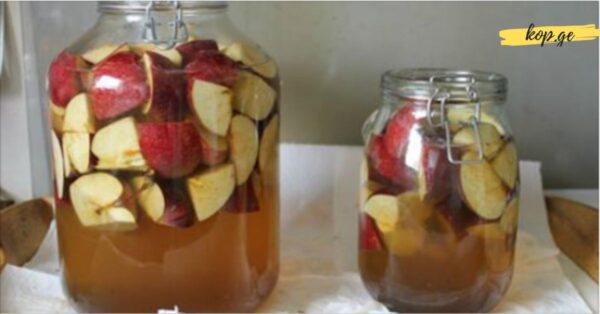
Wash your apples thoroughly to remove any dirt or residues. There’s no need to peel them completely, as the skin contributes natural yeast and flavor, but you can remove the seeds and core if you prefer a milder taste. Cut the apples into small pieces and place them in your glass container.
2. Add Sugar and Water
Next, dissolve 3 tablespoons of sugar in a small amount of water and pour this mixture over the chopped apples. The sugar helps kick-start the fermentation process by feeding the natural yeast in the apples. Then, add enough water to cover the apple pieces completely.
3. Cover and Store
Cover the top of the jar with a clean cloth and secure it with a rubber band. This allows the mixture to breathe while preventing dust, insects, or other contaminants from entering. Store the jar in a dark place with a temperature around 15–26°C (59–79°F).
4. Fermentation
Let the apples ferment for 5–6 weeks, stirring occasionally to prevent mold growth and ensure even fermentation. During this time, the natural sugars in the apples will turn into alcohol, and eventually into acetic acid—the component that gives apple cider vinegar its distinctive tang.
5. Strain and Bottle
After 5–6 weeks, strain the mixture to remove the solid apple pieces. Pour the liquid into another clean container, cover it again with the cloth, and let it ferment for an additional 3 days. At this stage, the vinegar will have developed its full flavor and acidity.
6. Store Your Vinegar
Once fermentation is complete, transfer the apple cider vinegar into a sealed glass bottle and store it in a cool, dark place. Homemade ACV can last for months, and its flavor may even improve over time.
Tips for the Best Homemade Apple Cider Vinegar
Choose Organic Apples: Organic apples are less likely to contain pesticides, making them safer for fermentation.
Avoid Metal Containers: Use glass or food-grade plastic containers for fermentation. Metal can react with the vinegar.
Patience is Key: Allowing sufficient time for fermentation is essential for a strong, flavorful vinegar.
Experiment with Flavors: You can add spices like cinnamon or cloves during fermentation for a unique twist.
Uses for Homemade Apple Cider Vinegar
Homemade ACV is incredibly versatile. Here are some of the most popular ways to use it:
Culinary Uses:
Salad dressings, marinades, and sauces
Flavoring vegetables or soups
Health and Wellness:
A small amount diluted in water can support digestion
Traditional remedies suggest ACV may help with mild blood sugar regulation and detox routines
Natural Cleaning:
ACV is a safe, eco-friendly cleaner for kitchen surfaces and glass
Beauty and Hair Care:
Can be diluted and used as a hair rinse to enhance shine and remove residue
Sometimes used as a skin toner or for minor skin irritations
Why You’ll Love Making ACV at Home
Making your own apple cider vinegar is rewarding and practical. You not only gain a versatile ingredient for cooking and health, but you also enjoy the satisfaction of crafting something entirely natural with your own hands. Sharing your homemade ACV with friends or family can also be a thoughtful, personal gift.
A Final Note on Safety
While homemade ACV is generally safe for culinary and topical uses, always follow these precautions:
Use clean equipment to avoid contamination.
Start with small amounts if consuming internally, especially for the first time.
Do not ingest large quantities of highly concentrated vinegar.
Homemade apple cider vinegar combines tradition, flavor, and wellness in one simple kitchen project. By following these steps, you can create a product that rivals store-bought varieties and enjoy its benefits in cooking, home remedies, and natural beauty care.
Whether you are a cooking enthusiast, a health-conscious individual, or someone who enjoys experimenting with natural remedies, making your own apple cider vinegar at home is a rewarding and practical experience.