






Herbal Tea for Improving Blood Circulation in the Legs
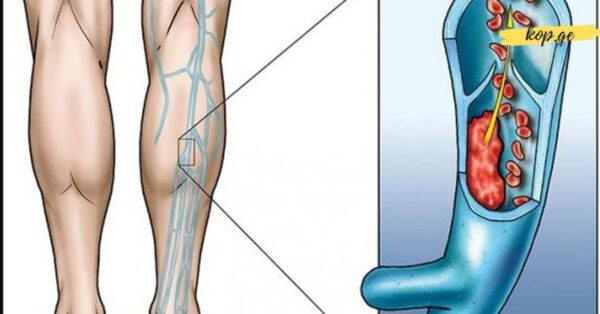
Do your legs often feel tired, heavy, or swollen after a long day? Do you frequently experience cramps, numbness, or tingling sensations that make walking or standing uncomfortable? Poor blood circulation in the legs is a common issue affecting a large number of people, especially those who sit or stand for long hours, exercise irregularly, or experience hormonal and lifestyle-related changes. In this expanded article, we will explore how certain medicinal plants can naturally improve circulation, reduce discomfort, and help your legs feel lighter and more energized.
Although poor circulation can sometimes be linked to medical conditions, in many everyday cases it results from lifestyle habits. Stress, nutritional deficiencies, tight clothing, lack of exercise, dehydration, and prolonged inactivity can all contribute. Genetics can also play a significant role, influencing how blood vessels react to hormonal changes or how efficiently they transport blood. When circulation in the legs becomes sluggish, veins may lose some elasticity, fat deposits may accumulate more easily, and blood flow becomes restricted. This can lead to symptoms such as heaviness, swelling, cramps, or a sensation of pins and needles.
Fortunately, various natural remedies can support the body in restoring healthier blood flow. Balanced nutrition and regular physical activity—such as walking, stretching, or swimming—are among the most effective ways to improve circulation over time. Along with these lifestyle adjustments, herbal infusions have long been used around the world to stimulate circulation, reduce inflammation, and enhance vascular health. Below, we introduce several traditional medicinal plants known for their beneficial effects on blood flow in the legs.
Medicinal Infusions for Improving Blood Circulation in the Legs
1. Dandelion Tea
Dandelion is a remarkable plant with a long history of use in traditional herbal medicine. Rich in tannic acid and naturally soothing compounds, it is particularly helpful for improving circulation and reducing discomfort associated with sluggish blood flow in the legs. Dandelion supports the body by promoting gentle detoxification, reducing water retention, and helping veins function more efficiently.
How to prepare it:
Add 1 teaspoon of dried dandelion flowers to 1 cup of hot water. Let it steep for about 5 minutes, then strain it. Drinking one cup daily can help stimulate circulation and improve overall leg comfort. Its mild flavor and natural calming effect make it a pleasant addition to your daily routine.
2. Rosemary Tea
Rosemary is widely known as a culinary herb used to flavor meats, rice, and roasted vegetables. But beyond its role in the kitchen, rosemary has powerful circulatory benefits. It contains antioxidant and anti-inflammatory compounds that help widen blood vessels and support more efficient blood flow. For this reason, rosemary is often used in toning lotions, massage oils, and creams designed to relieve muscle and joint discomfort.
How to prepare it:
Take two fresh or dried rosemary sprigs and steep them in 250 ml of hot water for about 10 minutes. Once steeped, strain the liquid and add a small amount of honey if you prefer a sweeter taste. Drinking one cup of rosemary tea every morning can energize the body, stimulate circulation, and even improve mental clarity thanks to its invigorating aroma.
3. Hawthorn Tea
Hawthorn is a highly regarded herb, especially known for its beneficial effects on the heart and cardiovascular system. It helps strengthen blood vessels, stabilize heart rhythm, and improve blood flow throughout the body, including the legs. Because of these qualities, hawthorn tea is a popular natural remedy for those seeking to support their circulatory health.
You can easily find dried hawthorn in pharmacies, herbal shops, and natural food stores.
How to prepare it:
Place 1 teaspoon of dried hawthorn into a cup and pour hot water over it. Let it steep for about 5 minutes, then strain the infusion. Drinking this tea after breakfast can promote better circulation throughout the day. Many people report feeling lighter and more comfortable in their legs after incorporating hawthorn tea into their routine.
Why Herbal Teas Help Improve Circulation
Herbal infusions support circulation in several ways:
They widen blood vessels, improving flow.
Plants such as rosemary and hawthorn contain compounds that help relax vessel walls, reducing pressure and allowing blood to move more freely.
They reduce inflammation.
Chronic inflammation can restrict circulation, but many herbs offer gentle anti-inflammatory effects.
They support lymphatic drainage.
Herbs like dandelion can help reduce water retention, which often causes swelling in the legs.
They contain antioxidants.
These help protect veins from damage and strengthen them over time.
When combined with healthy habits—such as regular movement, hydration, stretching, and balanced nutrition—herbal teas can be a simple yet powerful tool for maintaining healthier circulation.
Safety Note
Herbal teas are natural but still biologically active. If you have chronic medical conditions, take medication (especially heart or blood-pressure medication), are pregnant, or have allergies, consult a healthcare professional before using medicinal herbs regularly.