








Healthy and Beneficial Ways to Use Salt: More Than Just a Food Seasoning
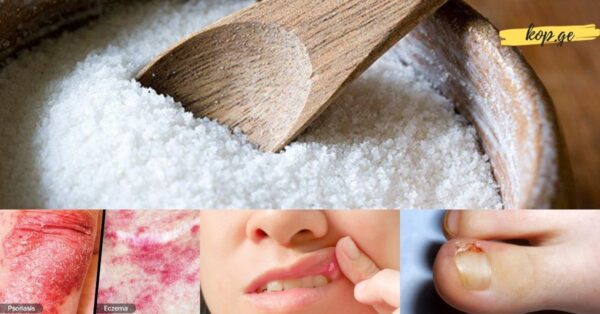
While excessive salt intake can negatively affect your health, it’s important to understand that salt itself is not inherently harmful. In fact, when used correctly, salt can be a highly effective natural remedy for a variety of common ailments. Beyond enhancing the flavor of food, salt has been employed for centuries in traditional medicine, hygiene, and wellness practices. Here’s a comprehensive guide on the healthiest and most beneficial ways to use salt in your daily life.
1. Salt for Mouth Health and Stomatitis
Stomatitis, or inflammation in the mouth, can be painful and hinder daily activities such as eating and speaking. A simple saltwater rinse can provide relief and promote healing.
How to use:
Mix 1 teaspoon of salt into half a glass of warm water.
Gargle or swish the solution around your mouth for a few minutes.
Rinse your mouth with clean water afterward.
Repeat several times a day until the sores disappear.
This practice helps reduce inflammation, kills harmful bacteria, and accelerates the recovery of mouth ulcers. It’s a safe, natural, and effective method that avoids the need for harsh chemicals.
2. Caring for Ingrown Toenails
Ingrown toenails occur when the edge of a nail grows into the surrounding skin, often causing swelling, pain, and sometimes infection. Salt can help relieve discomfort and reduce inflammation.
How to use:
Soak the affected foot in warm salt water several times a day.
Dry the foot and apply an antibiotic ointment if needed.
Cover with a clean bandage.
This simple method softens the skin and reduces swelling, making it easier to manage the nail and prevent infection. If the condition persists or worsens, it’s essential to consult a doctor.
3. Relieving Nasal Congestion from Colds or Allergies
Salt is widely recognized as an effective way to clear nasal passages during colds, flu, or allergic reactions.
How to use:
Prepare a saltwater solution using 1 teaspoon of salt in a cup of warm water.
Use it to rinse your nasal passages using a nasal irrigation device or a simple syringe.
This helps remove mucus, allergens, and bacteria, allowing for easier breathing and reducing the risk of sinus infections.
4. Easing Psoriasis and Eczema Symptoms
Mineral-rich saltwater, such as that from the Dead Sea or Icelandic Blue Lagoon, has been long used to treat skin conditions like psoriasis and eczema. Salt helps moisturize the skin and reduce inflammation.
How to use at home:
Add Dead Sea salt or Epsom salt to a warm bath.
Soak for about 15 minutes.
Even a small amount of ordinary table salt in your bath can help relieve itching and discomfort associated with these skin conditions. Regular salt baths can improve skin hydration and reduce redness and inflammation.
5. Soothing Sore Throat
Saltwater gargles are an age-old remedy for sore throats. Salt helps reduce swelling, soothe irritation, and fight bacteria in the throat.
How to use:
Dissolve about ½ teaspoon of salt in a glass of warm water.
Gargle for a few minutes, then spit out.
Repeat several times a day as needed.
This is a gentle and natural way to manage mild throat discomfort without the need for chemical medications.
6. Relieving Constipation
Salt, especially Epsom salt (magnesium sulfate), can also be used to relieve occasional constipation. Magnesium in the salt helps draw water into the intestines, stimulating bowel movements.
How to use:
Dissolve 2–6 teaspoons of Epsom salt in a glass of water.
Optionally, add lemon juice to improve the taste.
Drink the solution.
This typically works within 30 minutes to 6 hours, depending on the individual. However, it should be used sparingly and not as a daily routine, as overuse can cause dehydration or electrolyte imbalance.
7. Additional Benefits and Tips
Beyond these remedies, salt can play a role in overall wellness in other ways:
Foot Soaks for Relaxation: Soaking your feet in warm saltwater can improve circulation and reduce stress.
Minor Wound Care: A saltwater rinse can clean minor cuts and scrapes and prevent infection.
Oral Hygiene: Salt can be used as a natural teeth cleaner to reduce bacteria and maintain gum health.
Important Considerations
While salt is beneficial, it’s crucial to use it responsibly. Excessive salt intake can lead to high blood pressure, water retention, and other cardiovascular issues. Always consult a healthcare provider if you have underlying conditions like kidney disease, hypertension, or gastrointestinal problems before using salt as a remedy.
Conclusion
Salt is far more than just a seasoning. With proper use, it can become a versatile tool for maintaining health and treating common ailments naturally. From easing sore throats and reducing inflammation to managing skin conditions and improving oral health, the benefits of salt extend well beyond the kitchen. By incorporating these simple, natural remedies into your daily routine, you can support your body’s wellness without relying on synthetic medications or expensive treatments.