




Fresh Strength of Mint – Folk Methods for Soothing Muscular Strain
Muscular strain has been a companion to human life for as long as people have worked the land, carried burdens, spun wool, hauled water, or simply endured long days of physical and emotional tension. While modern medicine offers structured explanations for muscle pain, our ancestors relied on the natural world—plants, warmth, water, and ritual—to restore comfort to the body. Among the herbs treasured for their refreshing and soothing qualities, mint held a unique position. Celebrated for its bright aroma, cooling sensation, and symbolic association with renewal, mint became a widely used folk remedy for easing muscular strain in the shoulders, back, arms, and neck.
This article explores how mint was traditionally used to soothe muscle tension, the cultural meanings attached to the herb, and why these ancient methods brought relief—even if they relied more on intuition than anatomy.
Mint as a Cooling and Revitalizing Herb
Traditional healers described bodily discomfort in metaphorical terms: heat trapped in the muscles, “fire” in the back, “hot tension” along the shoulders, or restlessness that spread through the body after emotional upset. Mint, with its distinctive cooling properties, was believed to counterbalance these states. Unlike warming herbs used for cold-induced stiffness, mint was chosen when the muscle felt inflamed, tight, overworked, or overheated.
Beyond its physical qualities, mint carried a symbolic meaning of:
renewal and awakening,
mental clarity,
cooling tempers and calming agitation,
refreshing the “inner winds” of the body.
These associations made it one of the most versatile herbs in folk healing traditions.
Crushed Mint Poultices: Traditional Cooling Compresses
One of the most common folk methods for soothing muscle strain involved a mint poultice—a fresh herbal compress placed directly on the affected area.
How It Was Traditionally Prepared
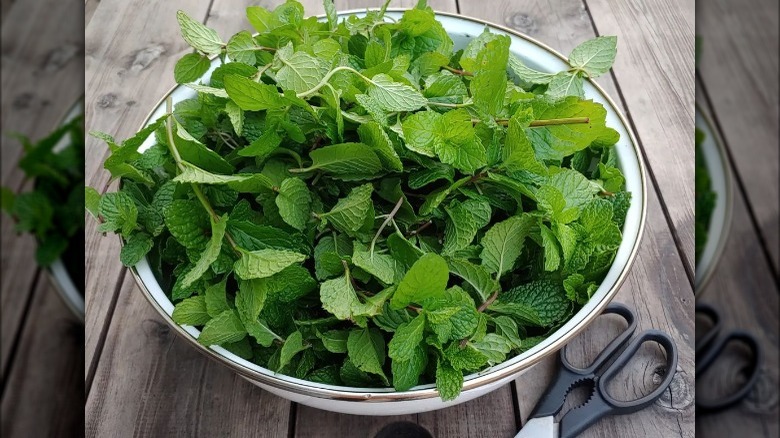
Fresh mint leaves were gathered, washed, and crushed into a thick paste using a stone, mortar, or wooden grinder.
A small amount of cool or lukewarm water was added, just enough to activate the aromatic oils.
The paste was spread across clean cloth or linen.
The compress was applied to the sore muscle for 10–20 minutes and refreshed as needed.
What People Believed It Helped With
Folk healers said mint poultices could:
draw out excessive heat,
calm “burning” pain,
reduce swelling after long physical labor,
relax tense muscle fibers,
ease restlessness and agitation stored in the shoulders.
While these descriptions may not match modern medical understanding, the naturally cool sensation of mint and the gentle pressure of the poultice likely contributed to real comfort.
Mint-Infused Water for Muscle Washing and Cooling
In agricultural and pastoral communities, cooling washes were a valued method of refreshing the body after strenuous work.
Traditional Use
Fresh mint was steeped in cool or lukewarm water.
The fragrant infusion was used to wash the shoulders, lower back, and forearms after heavy activity.
In some villages, long cloths soaked in mint water were laid across the upper back to ease strain in the shoulder blades.
This practice offered a moment of rest and sensory relief during long days, especially in warm climates where back and shoulder muscles easily overheated.
Symbolic Purpose
Mint water was said to “refresh the spirit,” cool anger or worry, and bring clarity of mind—qualities believed to directly influence muscle tension.
Mint-Steam Rituals for Relaxation
Steam had an important place in traditional healing. While warming steam was known to release stiffness, adding mint introduced a refreshing and clarifying effect.
How Steam Was Used
Mint leaves were added to a pot of hot water.
People sat near the pot, allowing warm steam to rise around their shoulders and back.
The aroma filled the air, easing the breath and calming the senses.
Folk Interpretation
Mint steam was believed to:
soften tightness around the spine,
calm nerves that contributed to shoulder tension,
promote deep breathing,
cleanse emotional burdens that “sat heavy on the back.”
Today we might call this aromatherapy, but the sensory experience remains similar.
Mint Baths: Immersion in Comfort
A fuller version of mint-based healing involved the mint bath—a ritualistic immersion in fragrant water.
Preparation Method
A large handful of mint was steeped in hot water until the aroma filled the air.
The infusion was added to bathwater.
People soaked for 15–30 minutes, allowing the rising mint fragrance to surround the muscles.
Beliefs Associated With the Bath
Mint baths were used to:
soothe aching backs after field labor,
ease generalized muscle fatigue,
refresh the body in summer heat,
lighten emotional heaviness that often manifested as shoulder tension.
Such baths were part practical remedy, part moment of peace, part ritual cleansing.
Mint Oils and Gentle Massage
Though cooling, mint was also infused into oils for gentle massage. The idea was not to heat the muscle but to smooth tension and refresh the skin and senses.
Traditional Oil Preparation
Fresh mint was lightly crushed.
Covered with olive or sesame oil.
Steeped in a cool, dark place for 10–14 days.
Strained for use.
How It Was Applied
The oil was massaged into:
tight shoulders,
the upper back after emotional stress,
lower back muscles strained from lifting,
the neck after long hours of work.
The aroma created a calming environment, and the massage itself provided comfort through touch and rhythm.
The Emotional Dimension of Mint in Folk Medicine
Folk traditions rarely separated the physical from the emotional. Mint’s bright scent symbolized:
mental refreshment,
clearing of worries,
reduction of agitation,
lifting of “the weight” carried in the back.
Because stress often causes shoulder stiffness, mint rituals addressed body and spirit simultaneously. Sometimes sprigs of mint were hung above work areas or placed under pillows to keep thoughts clear and protect against overwhelming fatigue.
Why These Methods Worked Comfortably
While mint is not a medical treatment for muscle disorders, several aspects made these folk methods genuinely soothing:
Cooling sensation relaxes overheated or overworked muscles.
Aromatherapy effects may reduce stress.
Massage and touch relieve muscle tension regardless of the herb used.
Restful rituals create space for recovery after labor.
Cultural meaning enhances the emotional comfort of the remedy.
Modern Considerations
Traditional practices can be enjoyed today with gentle caution:
Mint should not be applied to broken or irritated skin.
Strong mint oil may irritate sensitive skin.
Chronic or intense muscle pain should be evaluated medically.
These folk remedies are comforting additions—not replacements for professional care.
Conclusion
Mint’s fresh strength, cooling touch, and uplifting aroma made it a treasured ally in folk methods for soothing muscular strain. Whether used as a poultice, wash, steam, bath, or infused oil, mint offered relief not only for tired muscles but also for restless minds. These traditions remind us that comfort often comes from simple rituals—cool water, fragrant leaves, gentle touch, and time set aside for healing.