




Forget About Joint Pain – 4 Unique and Effective Home Recipes

Joint pain is one of the most common discomforts people experience, and it is often associated with rheumatic conditions, inflammation, or simply the natural wear and tear that comes with age and daily activities. While medical treatment is essential for persistent or severe symptoms, many individuals also look for gentle, homemade remedies to complement their routine and provide additional relief. Below are four traditional recipes that people frequently use to soothe joint discomfort and support overall well-being.
1. Gelatin and Honey Mixture
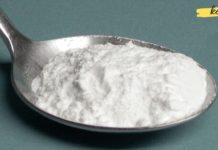
One of the most popular traditional remedies involves gelatin, a natural source of collagen, and honey, which has long been valued for its soothing properties. To prepare the mixture, dissolve 1 teaspoon of gelatin in 200 milliliters of water and leave it to rest overnight. By morning, the gelatin will have formed a soft, jelly-like consistency. Add 1 teaspoon of honey, mix well, and drink the mixture half an hour before breakfast.
This routine is typically followed for 10 days.
The idea behind this recipe is that gelatin contains amino acids that support the body’s connective tissues, including cartilage, skin, and ligaments. Many people use it in hopes of improving flexibility and easing morning stiffness. Honey adds a pleasant flavor and is commonly included in wellness recipes for its natural sweetness and comfort.
Although scientific evidence for dramatic results is limited, this simple combination is often used as part of a holistic approach to joint health and is appreciated for its ease of preparation and gentle nature.
2. Salt and Honey Compress
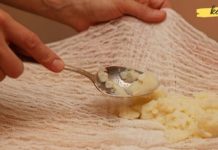
Another widely used home remedy involves a warm compress made from equal parts honey and salt—usually 1 tablespoon of each. Mix them thoroughly to create a thick, sticky paste. Apply the mixture to the affected area, cover it with a piece of cloth or bandage, and leave it on overnight. Many people repeat this process regularly until the discomfort is reduced.
The logic behind this compress is that salt may help draw out excess fluid, while honey has been used for centuries as a soothing and moisturizing agent. Together, they form a simple traditional pack that people believe can gently warm the joints and provide temporary comfort. While not medically proven as a cure, this method remains a popular household approach for mild joint stiffness or soreness.
3. Beetroot-Based Compress
This remedy is a bit more elaborate but is appreciated for its warming effect. Start by placing one large beetroot in cold water and leave it submerged for four days. Afterward, add 1 tablespoon of salt and 1 tablespoon of mustard, then gently heat the mixture—making sure not to boil it. Soak a piece of cloth in the warm mixture and apply it as a compress to the affected area. Many people leave this on overnight and repeat it until their discomfort improves.
Beetroot provides natural pigments and phytonutrients, while mustard is traditionally used for its warming properties. Together with salt, this blend creates a heated compress that many find relaxing and comforting. The warmth can help soothe tight muscles and joints, making this remedy a favorite for those who enjoy natural thermal treatments.
4. Bay Leaf Infusion
Bay leaves have a long history in folk wellness traditions. For this recipe, you will need 10–15 bay leaves. Pour 2 cups of hot water over them, bring the mixture to a boil, and then simmer for 10 minutes. Once done, pour the liquid into a thermos and let it steep for 5–6 hours. Drink 1 tablespoon of the infusion three times a day, about half an hour before meals.
This infusion is often used in herbal traditions for its aromatic and digestive properties. It is believed by many to support overall cleansing and comfort. While bay leaf tea should be used mindfully and in moderation, it is a widely recognized element of natural home remedies.
A Note on Natural Remedies and Safety
Although these recipes are simple and rely on everyday ingredients, it is important to use them thoughtfully. Homemade treatments can offer comfort, warmth, relaxation, and a sense of self-care, but they should not replace professional medical advice, especially for chronic or severe joint pain.
Individuals with allergies, circulatory issues, diabetes, or other medical conditions should consult a healthcare provider before using compresses or ingesting herbal mixtures. Natural products can have strong effects for some people, and it is always better to take precautions.
A Space for Natural Tips and Everyday Wellness
Platforms dedicated to natural living—like kop.ge—aim to share simple, practical advice that helps people improve their daily lives. Their mission is to provide information about homemade remedies, beauty tips, everyday hacks, and affordable methods of self-care that can be done easily at home.
Instead of expensive treatments or complicated procedures, these sources encourage readers to explore the value of traditional ingredients found in most kitchens or gardens. Through these tips, many people discover new routines that enhance their well-being, save money, and bring a sense of satisfaction into their daily habits.
The goal is not to replace professional guidance but to enrich everyday life with accessible knowledge. Many of the recipes shared reflect generations of traditional practices—gentle, natural methods that people continue to use because they are easy, comforting, and often surprisingly helpful.