








Folic Acid: A Vitamin Essential at Every Age

Folic acid, also known as vitamin B9, is a vital nutrient that plays a crucial role in the proper development and functioning of the human body. It is necessary for the production of DNA and other genetic material, the synthesis of red blood cells, and the maintenance of overall cellular health. A deficiency in folic acid can lead to a condition called megaloblastic anemia, which is characterized by symptoms such as reduced concentration, fatigue, irritability, headaches, weakness, shortness of breath, and irregular heartbeats.
This vitamin is indispensable not only for internal health but also for external well-being. Folic acid is essential for maintaining healthy skin, hair, and nails. A lack of folate can cause mouth ulcers, changes in skin pigmentation, brittle nails, and hair discoloration. Regular intake ensures that the skin remains radiant, hair grows normally, and nails stay strong and resilient.
Beyond these cosmetic and structural benefits, folic acid is also critical for supporting the immune system and promoting cardiovascular health. It helps regulate blood circulation, supports heart function, and contributes to the smooth operation of all organ systems. By stimulating cellular regeneration and repair processes, folic acid indirectly supports wound healing, reduces fatigue, and enhances overall vitality.
Folic Acid and Long-Term Health
Folic acid works synergistically with other B vitamins, particularly B6 and B12. Together, they significantly reduce the risk of eye diseases and maintain cognitive function as we age. Furthermore, folic acid plays a preventative role in reducing the risk of age-related hair graying when combined with pantothenic acid and para-aminobenzoic acid. Regular supplementation or dietary intake helps maintain a youthful appearance and supports long-term health.
Folic Acid for Women
Folic acid is especially important for women, particularly during pregnancy. The recommended daily dose during pregnancy is 400 micrograms. Research has consistently shown that adequate folic acid intake before and during pregnancy helps prevent serious complications, including neural tube defects in the developing fetus, as well as reducing the risk of premature birth. In addition, folic acid supports postpartum recovery and may help prevent postpartum depression by stabilizing hormonal fluctuations and promoting proper brain function.
Even outside of pregnancy, folic acid plays an important role in female reproductive health. A deficiency in this vitamin can lead to hormonal imbalances and reduce the body’s responsiveness to estrogen, which may affect fertility. For adolescent girls, folic acid contributes to proper sexual maturation, supports healthy menstrual cycles, and can aid in the prevention and treatment of acne.
Folic Acid for Men
Men also benefit significantly from folic acid. This vitamin works in combination with testosterone to support the maturation of sperm and the proper development of reproductive organs. Adequate daily intake of folic acid ensures normal sexual development in young men, helps maintain fertility, and contributes to the healthy functioning of the prostate. Additionally, folic acid promotes overall male vitality, supporting energy levels and cardiovascular health.
Dietary Sources of Folic Acid
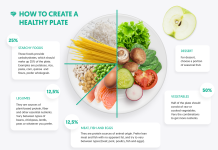
Folic acid can be obtained from a variety of plant-based and animal-based foods. Rich plant sources include leafy greens such as spinach, kale, and lettuce; cruciferous vegetables like cabbage; legumes including beans, lentils, and soy; root vegetables such as carrots and beets; and grains, particularly whole grains, buckwheat, and oatmeal. Fresh fruits, especially citrus fruits, are also beneficial.
Animal-based sources include liver, kidney, eggs (especially the yolk), dairy products like cheese and cottage cheese, and seafood. Incorporating a mix of these foods into daily meals ensures an adequate supply of folic acid for the body.
Supplements and Daily Intake
While it is possible to meet folic acid requirements through diet alone, many people benefit from supplementation, especially pregnant women, individuals with certain health conditions, or those with limited access to fresh produce. Folic acid supplements are widely available, inexpensive, and safe for daily use within recommended doses. Consistent intake helps prevent deficiency-related conditions and supports overall health.
Key Benefits of Folic Acid
Supports Blood Health: Promotes the production of red blood cells and prevents anemia.
Enhances Cognitive Function: Reduces the risk of cognitive decline and supports brain health.
Promotes Heart and Vascular Health: Helps regulate homocysteine levels and supports proper blood circulation.
Aids Skin, Hair, and Nail Health: Maintains healthy skin tone, strengthens hair and nails, and prevents premature graying.
Supports Reproductive Health: Critical for fetal neural development, male fertility, and hormone regulation.
Boosts Immune System: Strengthens the body’s defenses against infections and supports cellular regeneration.
Final Thoughts
Folic acid is more than just a vitamin—it is a cornerstone of lifelong health. Whether you are a teenager experiencing rapid growth, a woman preparing for pregnancy, or an adult aiming to maintain energy and vitality, ensuring an adequate intake of folic acid is essential. By including folate-rich foods in your diet or using supplements when necessary, you can support your body’s development, protect against chronic conditions, and enhance your overall well-being.
Prioritizing folic acid intake is a simple yet powerful step toward a healthier, more balanced life. Make it a part of your daily routine and enjoy the benefits of better skin, stronger hair, improved immunity, and overall longevity.
Note: Always consult with a healthcare professional before starting any new supplement, especially if you have pre-existing health conditions or are planning pregnancy.