






Do You Have a Vitamin K Deficiency? Your Body Will Tell You…
Vitamins are an essential part of our diet, playing a critical role in maintaining overall health. A deficiency in vitamins—or even an excess—can lead to significant health issues, often showing up as pain, fatigue, or dysfunction in the body. Among all the vitamins, vitamin K is one of the most important, yet it is frequently overlooked. While many of us focus on vitamin C, which is widely recognized for its immune-boosting properties, vitamin K quietly plays a vital role in maintaining heart health, bone strength, and proper blood clotting. Studies indicate that around 31% of adults suffer from a deficiency of vitamin K, making awareness crucial.
Types of Vitamin K
Vitamin K can be divided into two main types:
Vitamin K1 (Phylloquinone): This type is primarily responsible for blood clotting, helping your body stop bleeding when you are injured. Without enough K1, even minor cuts or scrapes can result in prolonged bleeding.
Vitamin K2 (Menaquinone): K2 supports cell growth regulation, helps prevent arterial calcification (which reduces the risk of heart disease), and strengthens bone health. Unlike K1, which focuses on clotting, K2 is essential for long-term cardiovascular and skeletal health.
Both types are essential for maintaining the body’s overall balance, and deficiencies can result in a wide array of health complications.
Causes of Vitamin K Deficiency
A vitamin K deficiency can occur for several reasons:
Poor Diet: If your diet lacks vitamin K-rich foods, your body will not receive enough to function optimally.
Fat Malabsorption: Vitamin K is fat-soluble, so conditions that prevent your body from absorbing fat—such as celiac disease, Crohn’s disease, or pancreatic insufficiency—can reduce vitamin K absorption.
Medication Interference: Certain medications, including anticoagulants like warfarin, antibiotics, or high doses of vitamins A and E, can interfere with vitamin K activity.
Other Health Conditions: Liver disease or gastrointestinal disorders can also limit vitamin K production and absorption.
Vitamin K is fat-soluble, along with vitamins A, D, and E. This means it requires dietary fat for proper absorption. Women over the age of 19 typically need around 90 micrograms of vitamin K per day, while men require approximately 120 micrograms. While most people meet these daily requirements, nearly one-third of adults do not, putting them at risk for deficiency.
Symptoms of Vitamin K Deficiency
Vitamin K deficiency can manifest in several ways, and early recognition is key:
Excessive Bleeding: The most obvious sign is prolonged bleeding after an injury or surgery. Even minor cuts may take longer than usual to clot.
Easy Bruising: If your body bruises easily, even from minor bumps or pressure, it could indicate low vitamin K levels. Bruising is often the first visible sign of a deficiency.
Nosebleeds or Gum Bleeding: Frequent nosebleeds, bleeding gums, or blood in your urine or stool may signal problems with blood clotting due to insufficient vitamin K.
Heavy Menstrual Bleeding: Women with vitamin K deficiency may experience unusually heavy periods, as their blood does not clot effectively.
Weak Bones: Vitamin K is essential for bone mineralization and density. A deficiency can lead to brittle bones, increasing the risk of fractures and osteoporosis over time.
Vitamin K works closely with calcium to ensure it is deposited in the bones rather than in the arteries. Without enough vitamin K, calcium can accumulate in the arteries, increasing the risk of cardiovascular problems.
How to Increase Vitamin K Intake
If you suspect a vitamin K deficiency, you can boost your levels through diet. Vitamin K is abundant in leafy green vegetables and certain other plant-based foods:
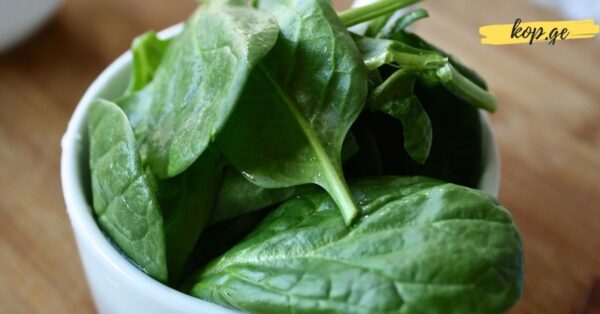
Leafy Greens: Spinach, kale, lettuce, and collard greens are excellent sources of vitamin K1.
Other Vegetables: Broccoli, Brussels sprouts, cucumbers (with peel), green onions, parsley, and cilantro contain moderate levels of vitamin K.
Fermented Foods: Foods like natto (fermented soybeans) are rich in vitamin K2.
Animal Sources: Cheese, eggs, and liver can also provide K2.
For optimal absorption, consume these foods with a small amount of healthy fat, such as olive oil or avocado. Cooking vegetables lightly rather than overcooking preserves most of their vitamin K content.
Lifestyle Tips for Maintaining Healthy Vitamin K Levels
Balanced Diet: Ensure a mix of K1 and K2 sources in your daily meals. Leafy greens for K1, fermented or animal products for K2.
Monitor Medications: If you take anticoagulants or high doses of certain vitamins, consult your doctor about your vitamin K levels. Adjustments may be necessary to avoid deficiency or interactions.
Regular Checkups: Periodic blood tests can detect vitamin K deficiencies early, allowing you to take preventive measures.
Include Healthy Fats: Since vitamin K is fat-soluble, including small amounts of healthy fats in meals will help your body absorb it effectively.
Final Thoughts
Vitamin K is often overlooked, but it plays a crucial role in overall health, from regulating blood clotting to maintaining strong bones and supporting cardiovascular health. Signs like excessive bleeding, easy bruising, or weak bones may indicate a deficiency. Paying attention to your diet and incorporating vitamin K-rich foods is a simple and effective way to ensure your body functions optimally. Regularly monitoring your vitamin K intake can prevent potential health complications and promote long-term wellness.
By focusing on natural dietary sources, pairing vitamin K with healthy fats, and consulting healthcare professionals when needed, you can effectively manage your vitamin K levels. Your body will thank you with stronger bones, a healthier heart, and more resilient blood vessels. Never underestimate the importance of this “forgotten” vitamin—your body will tell you when it needs it, so listen carefully.