







Do not consume ginger if you have certain medical conditions
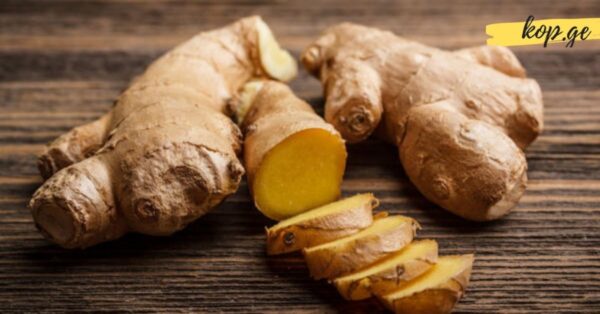
Ginger is one of the oldest and most widely used spices in the world. Known for its powerful medicinal properties, it has been used for centuries as a natural remedy for a wide range of health issues, from digestive problems to inflammation and nausea. Ginger is celebrated for its antioxidant, anti-inflammatory, and immune-boosting effects. Many people rely on it daily to improve digestion, reduce muscle pain, relieve nausea, and even support cardiovascular health.
However, despite its numerous benefits, ginger is not suitable for everyone. Certain medical conditions make it necessary to limit or avoid ginger consumption, as it can potentially worsen existing health problems or interfere with prescribed medications. Understanding when to avoid this otherwise beneficial spice is crucial for maintaining optimal health.
1. Pregnancy
During pregnancy, ginger is often used to relieve morning sickness, and it can indeed be effective in small doses. However, in larger amounts or during the final trimester, ginger may stimulate uterine contractions, increasing the risk of premature labor. Additionally, it may interfere with the absorption of fat-soluble vitamins and iron, which are vital for both the mother and the developing fetus. Therefore, while small doses of ginger may be safe early in pregnancy, it is generally recommended to avoid high doses, especially in the last trimester, without medical supervision.
2. Very Low Body Weight
Ginger stimulates digestive enzymes and can alter stomach acidity, which can suppress appetite in some individuals. For people who are already underweight, this appetite suppression may lead to further weight loss, nutrient deficiencies, and even disruptions in the menstrual cycle. Moreover, prolonged consumption of high amounts of ginger in underweight individuals may contribute to muscle loss, reduced energy, and fatigue. In such cases, it is better to use gentler spices or herbal alternatives to stimulate digestion without reducing caloric intake.
3. Blood Disorders
Ginger has a natural blood-thinning effect and can improve circulation, which is beneficial for conditions like diabetes, obesity, and peripheral artery disease. However, for people with bleeding disorders, such as hemophilia, or those prone to excessive bleeding, ginger may increase the risk of hemorrhage. Similarly, if you are taking anticoagulant medications like warfarin, ginger may interfere with their action, making it difficult to control blood clotting. People with these conditions should strictly avoid ginger or consult a healthcare provider before use.
4. Medication Interactions
Ginger can interact with certain medications, potentially reducing their effectiveness or causing unwanted side effects. For instance:
Diabetes medications: Ginger may lower blood sugar levels, which could result in hypoglycemia if combined with insulin or oral antidiabetics.
Blood pressure medications: Ginger can lower blood pressure, which may cause dizziness or fainting when taken with antihypertensives or beta-blockers.
Anticoagulants: As mentioned, ginger’s blood-thinning properties may intensify the effects of medications that prevent clotting.
If you are on any of these medications, it is essential to consult your doctor before incorporating ginger into your diet.
Alternatives to Ginger
If you cannot consume ginger due to medical restrictions, there are natural alternatives that can provide similar health benefits:
Cayenne pepper: Known for its ability to improve circulation and stimulate metabolism.
Paprika or bell pepper: Can be added to meals to enhance flavor while providing antioxidant and anti-inflammatory benefits.
Detox beverages: Spices like cayenne, cinnamon, and lemon can be combined to create a health-boosting drink that supports digestion, circulation, and metabolism.
Example Detox Drink Recipe
Even if ginger is off-limits, you can prepare a potent natural drink using these ingredients:
2 tablespoons apple cider vinegar
2 tablespoons fresh lemon juice
2 teaspoons cinnamon
A pinch of cayenne pepper
1 cup hot water
1 teaspoon honey (optional, for taste)
Preparation:
Heat the water and add all ingredients, stirring well.
Add honey if desired to improve flavor.
Drink the beverage while still warm to maximize its effects.
For best results, consume 3 times daily, 20 minutes before meals, for 15 consecutive days. After that, continue taking it once daily before breakfast or lunch for maintenance.
Final Recommendations
While ginger is a powerful and versatile natural remedy, it is not universally safe. People with certain medical conditions—pregnancy, very low body weight, blood disorders, or those taking specific medications—should avoid or limit ginger intake. Using alternative spices or health-promoting beverages can provide similar benefits without risking complications.
Always consult your healthcare provider before making significant changes to your diet, especially if you have pre-existing health conditions. By understanding your body’s unique needs, you can safely enjoy the benefits of natural remedies like ginger and its alternatives while maintaining your overall well-being.
Even without ginger, a balanced diet rich in antioxidants, anti-inflammatory foods, and natural spices can significantly improve digestion, circulation, immunity, and energy levels. Choosing the right spices for your body ensures that you reap the benefits of natural remedies without compromising your health.
Remember: The key to a healthy diet is not only including beneficial ingredients like ginger but also understanding when and how to use them safely. With this knowledge, you can harness the healing power of natural spices effectively and responsibly.