





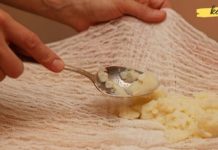
Delicious and Beneficial: Mandarin Peel Tea from Ancient Recipe to Modern Practice

For centuries, citrus fruits have held an important place in culinary traditions, natural remedies, and cultural rituals. Among them, the humble mandarin—small, fragrant, and sweet—has inspired one particularly enduring practice: brewing tea from its dried peel. Once a simple household remedy passed down through generations, mandarin peel tea has now found its way into modern wellness routines, offering both aromatic pleasure and gentle support for overall well-being. This article explores its history, preparation, potential benefits, and how the ancient recipe continues to thrive in contemporary life.
A Brief Historical Background
The use of citrus peel in teas and herbal infusions is far older than many imagine. In various Asian traditions—especially in China—the dried peel of citrus fruits has been valued for both its culinary versatility and its soothing effect on the body. The Chinese term chenpi (aged citrus peel) is particularly well known, and although mandarin peel is only one variation, it shares the same lineage of traditional use.
Historically, families collected the peel during mandarin season, dried it in the sun, and stored it in jars for the colder months. The resulting infusion was believed to help with digestion after heavy meals, provide comfort during the winter chill, and add a pleasant aroma to daily tea habits. Over generations, this simple practice evolved into a cultural ritual—one that blended practicality with the appreciation of natural fragrance.
Why Mandarin Peel?
Mandarin peel has several properties that make it uniquely suitable for tea:
Fragrant essential oils: The peel contains natural aromatic compounds such as limonene and linalool, which release a citrusy, calming scent when steeped in hot water.
Natural bitterness and sweetness: Unlike some citrus peels, mandarin peel has a balanced flavor—mildly bitter but also subtly sweet—making the tea flavorful without being harsh.
Compatibility with other teas: It pairs effortlessly with black tea, green tea, and herbal blends, adding complexity and warmth.
The combination of aroma, taste, and versatility explains why the peel has remained a popular ingredient long after modern beverages became available.
Traditional Beliefs and Modern Insights
While mandarin peel tea is not a medical treatment, it has long been appreciated for its gentle effects on everyday well-being. Traditional practice often associated it with improved digestion, a calming influence on the stomach, and support during seasonal discomforts such as mild throat irritation.
Today, modern perspectives also highlight a few characteristics that help explain these traditional beliefs:
Aromatic compounds: The natural oils released from the peel may contribute to a sense of relaxation and comfort through their familiar citrus aroma.
Warm herbal infusion: Like many warm beverages, mandarin peel tea can soothe the throat and promote a feeling of ease after meals.
Potential antioxidants: Citrus peels contain various plant compounds that may have antioxidant properties, which support general wellness.
Although scientific research on mandarin peel tea specifically is limited, these traits offer reasonable explanations for its long-standing popularity. Many people simply enjoy it because it feels good—warm, fragrant, and refreshing.
How to Prepare Mandarin Peel Tea
Preparing this tea is straightforward, but a few steps can elevate the flavor significantly.
1. Choose the Right Peels
Fresh mandarin peels can be used, but dried peels are preferred. Drying intensifies the aroma and reduces the sharpness of the fresh rind. Choose organic or untreated mandarins whenever possible, as citrus fruits are often coated with wax or preservatives.
2. Drying the Peels
If drying them at home:
Rinse the mandarins thoroughly.
Peel them carefully to avoid taking too much of the bitter white pith.
Spread the peels on a clean tray in a well-ventilated area or in direct sunlight.
Dry until the pieces become crisp and brittle; this may take several days.
The dried peels can be stored in an airtight jar for months.
3. Brewing the Tea
Break a few pieces of dried peel into smaller strips.
Place them in a cup or teapot.
Pour hot water (but not boiling) over the peels.
Steep for 5–10 minutes.
For enhanced flavor, many people mix the peel with:
Black tea for a richer, deeper infusion
Green tea for a lighter, slightly grassy blend
Ginger or cinnamon for warmth
Honey for sweetness
Taste Profile: A Cup Full of Aroma
Mandarin peel tea has a distinctive taste that sets it apart from other citrus infusions. The initial aroma is bright and slightly sweet, while the flavor delivers a subtle bitterness balanced by a gentle citrus fragrance. The bitterness is not unpleasant; instead, it adds depth and character to the tea, especially when blended with other ingredients.
Those who enjoy complex herbal teas often appreciate the soothing yet lively personality of mandarin peel tea. It is light enough for daily drinking but flavorful enough to feel special.
In Modern Wellness and Cuisine
Today, mandarin peel tea has made a quiet comeback. It appears in:
wellness blogs promoting natural, minimal-ingredient drinks
culinary guides recommending homemade infusions
specialty tea shops offering citrus-infused blends
households seeking comforting, traditional beverages
Part of its modern appeal lies in simplicity. In a world of processed drinks and complicated health trends, mandarin peel tea feels honest and accessible—just dried fruit peel and hot water, yet unmistakably fragrant and satisfying.
Moreover, the practice complements sustainable living habits. Instead of discarding the peel, people repurpose it into something useful and enjoyable, reducing waste in a meaningful and flavorful way.
A Timeless Tradition in a Modern Cup
Mandarin peel tea bridges past and present in a graceful, aromatic way. Its history goes back generations, carried through family kitchens and cultural traditions. Yet it remains relevant today, appreciated for its comforting taste, gentle benefits, and natural simplicity.
Whether enjoyed on a cold evening, sipped after a heavy meal, or brewed simply for its bright fragrance, this tea reminds us that some of the most satisfying rituals are also the simplest. A handful of dried peel, a cup of warm water, and a little time—that is all it takes to experience a tradition that has endured for centuries.