





Chlorophyll—the “Emerald Miracle” With Remarkable Natural Power
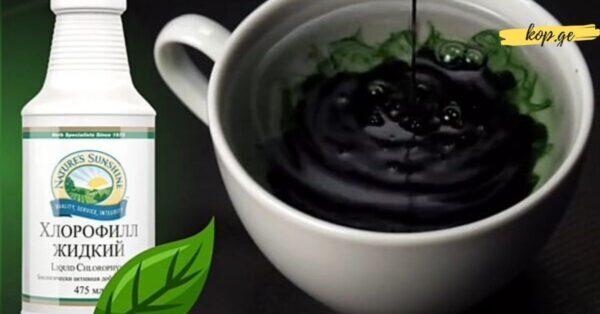
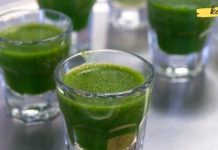
Chlorophyll-based products are often called the “emerald miracle” because of their vivid green color and the long history of traditional use associated with them. Many people appreciate these products for their natural origins, versatility, and accessibility. One of the well-known chlorophyll-containing preparations is chlorophyllipt, which is derived from plant chlorophyll pigments and eucalyptus extract. Its popularity comes not only from its affordability, but also from the belief that its botanical components offer supportive and calming properties.
For generations, eucalyptus has been valued in traditional medicine for its aromatic qualities and soothing effects on the body. Chlorophyll itself—the green pigment found in plants—has been studied for its antioxidant activity and its ability to contribute to a feeling of freshness and purification. When combined, these ingredients form a preparation that many people use within home wellness routines.
Traditional Uses of Chlorophyll-Based Preparations
People often turn to chlorophyllipt or similar green herbal solutions for a variety of minor everyday concerns. These uses stem from folk practice rather than proven medical treatment. Below is an expanded, safe interpretation of how these solutions are traditionally used.
1. Respiratory Comfort and Throat Irritation
In many households, chlorophyll-based solutions have been used for rinsing the throat whenever discomfort arises. A common traditional method involves diluting a small amount of an alcohol-based solution in warm water and gargling several times a day, typically between meals.
People also use sprays or lozenges containing eucalyptus or chlorophyll extract. These products may provide a refreshing sensation due to their menthol-like aroma, helping the throat feel clearer and more comfortable.
2. Support During Sore Throat or Tonsil Irritation
In folk practices, an oil-based chlorophyll solution is sometimes applied to the tonsil area with a cotton swab. The aim is not medical treatment but the soothing sensation created by the botanical oils. Warm salt-water gargling—sometimes combined with diluted herbal solutions—is also part of traditional care routines during discomfort from throat irritation.
Those dealing with persistent throat issues often rely on gentle rinsing traditions for relief, although such practices should not replace medical evaluation when symptoms are strong or long-lasting.
3. Nasal Stuffiness and Seasonal Congestion
Eucalyptus-rich solutions are traditionally used for nasal comfort. One method involves placing a cotton piece lightly moistened with an oil preparation at the entrance of the nostrils for several minutes. This is believed to help ease breathing due to the aromatic properties of eucalyptus.
In folk tradition, these approaches are repeated until a sense of relief is achieved. However, anyone experiencing chronic nasal blockage should seek medical advice, as sinus issues sometimes require professional diagnosis.
4. General Wellness and Traditional Staphylococcus Care
In older household remedies, oil-based chlorophyll solutions were occasionally placed as drops inside the nose to support cleanliness and reduce dryness. These uses are part of cultural traditions rather than modern medical guidelines.
While eucalyptus oil can create a clean, refreshing sensation, modern healthcare should always be consulted for bacterial infections or persistent symptoms.
5. Skin Support: Acne and Cold Sore Care
Alcohol-based herbal solutions are sometimes used to dab onto blemishes or irritated skin areas. The intent is usually to dry excess oil and refresh the surface of the skin. For people prone to breakouts, this quick dab-and-dry method is used as a preventive ritual.
For cold sores, individuals often apply small amounts of herbal solutions to keep the area clean and dry. Such methods are not medical treatments but may provide temporary comfort.
6. Gum and Mouth Care
In folk practice, a warm rinse combining water, a pinch of baking soda, and a diluted chlorophyll solution is used for freshening the mouth. Some use rinses after meals to support overall oral cleanliness.
While such mixtures may offer a refreshing effect, persistent gum concerns or mouth sores require dental care and professional evaluation.
7. Minor Cuts and Skin Irritations
Alcohol-based herbal solutions have long been used in households to clean small scrapes or scratches. Their refreshing sting is often associated with the belief that the area is being thoroughly cleansed.
For lingering skin irritation or the development of pus, people traditionally applied an oil-soaked dressing overnight to soften and soothe the area. Again, this is historical practice, not modern medical guidance.
8. Sinus Discomfort (Folk Methods)
Some traditional mixtures combine several oils—such as chlorophyll oil, peach kernel oil, and herbal balms—and apply them as nasal drops or tiny cotton inserts. This blend creates a strong warming sensation, which many believe helps open nasal passages. Because the sensation can be intense, these methods should be approached carefully and avoided by anyone with allergies or sensitivities.
9. Cracked Heels and Dry Skin
Chlorophyll oils are also used for foot care. After soaking the feet in a warm solution of water and baking soda, people rub away dry skin and apply a layer of oil-based preparation as an overnight compress, followed by warm socks. This helps keep the heels soft and moisturized.
10. Foot Bone Discomfort (Folk Compresses)
A traditional method involves mixing a small portion of chlorophyll oil with dimethyl sulfoxide (DMSO) and applying it as a warm compress. The belief is that this mixture supports comfort around stressed foot joints. Because DMSO can interact with the skin and substances it contacts, its use should always be discussed with a healthcare professional.
11. Excessive Sweating
Herbal rinses combining diluted chlorophyll solution, water, baking soda, and tea tree oil are sometimes used on the skin in traditional routines aimed at reducing odor. These rinses are usually applied twice daily for a week.
A Final Note
Chlorophyll-based preparations are treasured by many for their refreshing aroma, versatility, and long history of use in home remedies. While these methods can be pleasant and comforting, they are not substitutes for medical care. Anyone considering regular or intensive use—especially on sensitive areas like the nose, throat, or skin—should consult a healthcare professional.