







Black Seed Oil: How It Affects the Heart, Blood Sugar, Blood Pressure, and Energy Levels
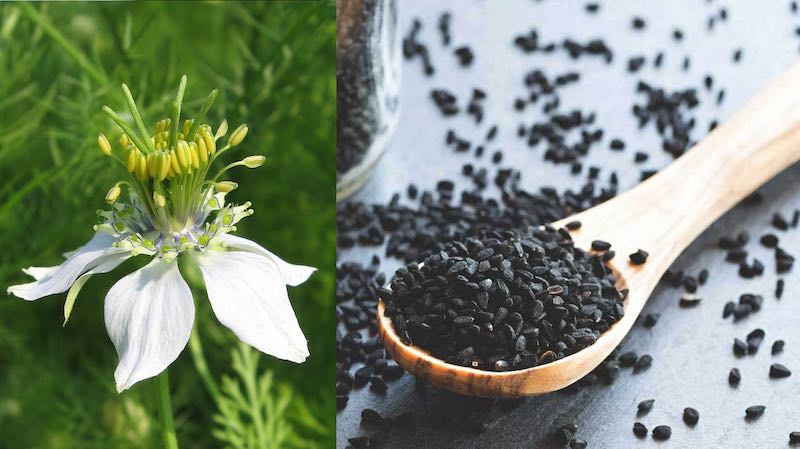
Black seed oil, derived from the seeds of Nigella sativa, has been treasured for centuries in traditional medicine across the Middle East, Asia, and Europe. Often referred to as the “remedy for everything but death,” this small but potent oil has recently gained international recognition for its potential health benefits, especially for individuals over 40. As we age, maintaining heart health, stable blood sugar, balanced blood pressure, and consistent energy levels becomes increasingly important. Black seed oil may offer natural support in all of these areas.
1. Supporting Heart Health
Heart disease remains one of the leading health concerns for people over 40. High cholesterol, oxidative stress, and inflammation can increase the risk of heart-related issues. Black seed oil contains thymoquinone, a powerful antioxidant and anti-inflammatory compound, which may help reduce oxidative stress in the cardiovascular system.
Several studies suggest that regular intake of black seed oil can contribute to healthier cholesterol levels. By supporting lower levels of LDL (bad cholesterol) and potentially increasing HDL (good cholesterol), it may reduce the risk of plaque buildup in arteries. While black seed oil is not a substitute for medical treatment, incorporating it as part of a balanced diet can be a heart-friendly habit.
2. Regulating Blood Sugar
As metabolism naturally changes with age, many people over 40 experience fluctuations in blood sugar levels. This can be due to reduced insulin sensitivity, lifestyle factors, or dietary habits. Research indicates that black seed oil may have a mild, positive effect on blood sugar regulation. Thymoquinone and other bioactive compounds in black seed oil are thought to support better glucose metabolism.
Some small studies show that daily intake of black seed oil may help lower fasting blood sugar levels and improve insulin sensitivity in adults. Even a simple routine—such as taking a teaspoon of oil daily—may complement a healthy diet, exercise, and proper medical care, supporting better long-term blood sugar management.
3. Supporting Healthy Blood Pressure
High blood pressure (hypertension) is a common issue for people over 40. Black seed oil has been studied for its potential role in maintaining healthy blood pressure levels. Several clinical trials indicate that daily consumption of black seed oil may help slightly reduce both systolic and diastolic blood pressure in adults with mild hypertension.
The effect is likely linked to the oil’s vasodilatory and anti-inflammatory properties. Vasodilation helps blood vessels relax and expand, improving circulation and reducing strain on the heart. While black seed oil is not a replacement for prescribed medications, it may serve as a natural support alongside lifestyle interventions such as exercise, stress reduction, and a balanced diet.
4. Boosting Energy Levels
Feeling fatigued or lacking energy is common after 40. Hormonal changes, stress, and lifestyle factors can all contribute to daily tiredness. Black seed oil may support natural energy production by improving metabolism and reducing oxidative stress in the body. Its antioxidant compounds help fight free radicals, which can cause cellular fatigue and slow down normal body functions.
Some people also report improved focus, alertness, and stamina after regularly incorporating black seed oil into their routine. Whether consumed directly or added to foods like smoothies, salads, or herbal teas, it provides a simple and natural way to support consistent energy levels throughout the day.
5. How to Incorporate Black Seed Oil Safely
While black seed oil offers many potential benefits, proper use is essential. Most recommendations suggest 1 teaspoon (about 5 ml) daily for adults, preferably taken with food to improve absorption. It can be consumed on its own, mixed into yogurt, added to smoothies, or used as a salad dressing ingredient.
Topical applications are also popular for skin and hair care, but for cardiovascular, blood sugar, and energy benefits, oral consumption is key. It’s important to choose high-quality, cold-pressed black seed oil to ensure potency and avoid additives.
6. Safety Considerations
Black seed oil is generally safe for most adults when taken in moderate amounts. However, individuals who are pregnant, nursing, or taking prescription medications—especially for blood sugar or blood pressure—should consult a healthcare provider before starting daily consumption. Side effects are rare but may include mild digestive discomfort if taken in excess.
7. Quick Tips for Maximum Effect
To maximize the potential benefits of black seed oil, consider these tips:
Consistency is key: Daily intake over weeks or months is more effective than sporadic use.
Pair with a balanced diet: Whole foods, fruits, vegetables, and lean proteins amplify the positive effects.
Combine with exercise: Regular physical activity improves cardiovascular health and supports metabolism.
Hydration: Drinking plenty of water helps your body utilize nutrients effectively.
Mindful lifestyle: Stress reduction, adequate sleep, and limited alcohol can enhance overall benefits.
Conclusion: A Natural Ally for People Over 40
Black seed oil is more than just a traditional remedy; it’s a versatile, natural supplement that may support heart health, stabilize blood sugar, maintain healthy blood pressure, and boost energy levels. While it is not a cure-all, integrating it into a daily routine can complement a healthy lifestyle, especially for individuals over 40 who are conscious of aging-related changes.
Many people notice subtle yet meaningful improvements within a few weeks of consistent use. The best part is that this natural solution is simple, affordable, and easily accessible. By adding black seed oil to your wellness routine, you may enjoy an extra layer of support for your heart, metabolism, and vitality.