








Avoid Heartburn — What You Can Do When It Happens

Heartburn is one of the most uncomfortable and distracting digestive symptoms people experience. For those who suffer from it frequently, it can become a significant burden in daily life. A burning sensation in the chest, a sour taste in the throat, and constant irritation can make eating, sleeping, and even working difficult. Occasional heartburn is common and usually harmless, but if it becomes persistent, it may indicate a more serious problem known as acid reflux disease or gastroesophageal reflux disease (GERD). In such cases, proper attention and medical guidance are essential.
What Is Heartburn?
Heartburn occurs when stomach acid flows backward into the esophagus—the tube that carries food from the mouth to the stomach. Because the lining of the esophagus is not designed to withstand strong acids, this backward flow creates a burning or irritating sensation. While it may happen once in a while, frequent heartburn is a warning sign that the valve between the stomach and esophagus—the lower esophageal sphincter—may not be functioning properly.
If heartburn becomes a daily or weekly occurrence, it is crucial to consult a healthcare professional to determine whether reflux disease is present. Left untreated, chronic acid exposure can damage the esophageal lining and lead to complications.
Common Causes of Heartburn
Heartburn can be a symptom of various underlying issues. Some of the most common causes include:
Weakness or dysfunction of the lower esophageal sphincter, allowing acid to flow back upward.
Hiatal hernia, a condition in which part of the stomach pushes up into the chest cavity.
Gastritis, or inflammation of the stomach lining.
Overeating, especially when consuming large meals close to bedtime.
Fatty, spicy, or acidic foods, which can trigger acid production.
Certain medications, including pain relievers such as ibuprofen or aspirin.
Pregnancy, due to hormonal changes and pressure on the stomach.
Stress, which can increase stomach acid sensitivity and alter digestion.
Understanding your own triggers is essential for preventing future episodes.
Tips to Prevent Long-Term Heartburn
Fortunately, there are many simple lifestyle changes that can help minimize heartburn and protect your digestive health.
1. Avoid Acidic Foods
Carbonated drinks, citrus fruits, tomatoes, and vinegar are well-known triggers. These foods may increase acid levels in the stomach or irritate the esophagus. Reducing or eliminating them, especially in the evening, can make a noticeable difference.
2. Elevate Your Head While Sleeping
Gravity plays a major role in preventing acid reflux. Raising the head of your bed or using extra pillows keeps stomach acid from traveling upward. Sleeping on your left side is also recommended because the stomach is positioned lower than the esophagus in this position, making reflux less likely.
3. Eat Smaller, Balanced Meals
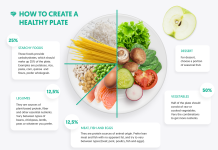
Instead of three heavy meals, try eating five smaller ones throughout the day. Large meals put pressure on the stomach, increasing the likelihood of acid escaping. Choose foods that are gentle on digestion—lean proteins like fish, boiled potatoes, yogurt, oatmeal, and fiber-rich vegetables.
4. Limit Pain Relievers
Frequent use of nonsteroidal anti-inflammatory drugs (NSAIDs) can irritate the stomach lining and cause heartburn. If pain relief is necessary, consult your doctor about safer alternatives or protective measures.
5. Reduce Stress
Psychological stress does not directly create more acid, but it does make the digestive system more sensitive to it. Stress can slow digestion, tighten stomach muscles, and increase discomfort. Practicing relaxation techniques—such as deep breathing, stretching, yoga, or walking—can improve symptoms significantly.
Helpful Home Remedies for Quick Relief
While long-term management focuses on prevention, sometimes heartburn strikes suddenly and requires quick relief. Many people turn to gentle, natural remedies that help calm the digestive tract.
• Chewing Gum
Chewing sugar-free gum stimulates saliva production. Because saliva is alkaline, it can help neutralize acid and wash it back down into the stomach. Even a few minutes of chewing may provide relief.
• Herbal Teas
Chamomile, fennel, and ginger teas are popular for their calming effects on the digestive system. They can relax the esophagus, ease spasms, and reduce irritation.
• Raw Potato Juice
Though unusual, raw potato juice is a traditional remedy rich in starch, which can help neutralize stomach acid. A few spoonfuls are often enough for some people to feel relief.
• Bananas
Bananas contain natural antacids and can act as a protective coating for the esophagus and stomach. Their soft texture and gentle flavor make them a convenient option when heartburn strikes.
Remember that while these remedies may help temporarily, they do not address underlying causes. If symptoms persist, medical evaluation is necessary.
When to See a Doctor
Seek professional help if you experience:
Heartburn more than twice a week
Difficulty swallowing
Persistent coughing or hoarseness
Chest pain accompanied by sweating or dizziness
Weight loss or vomiting
Heartburn that disrupts sleep regularly
These signs may indicate something more serious than simple indigestion.
Conclusion
Heartburn is common, but it should not be ignored—especially when it becomes frequent. Understanding what triggers your symptoms, adjusting your lifestyle, and using safe home remedies can help you manage occasional discomfort. However, persistent heartburn always requires medical attention to prevent complications and ensure proper treatment.