






A Traditional Folk Remedy for Joint Pain: Kerosene, Nettles, and the Warm Shawl — A Look Through History
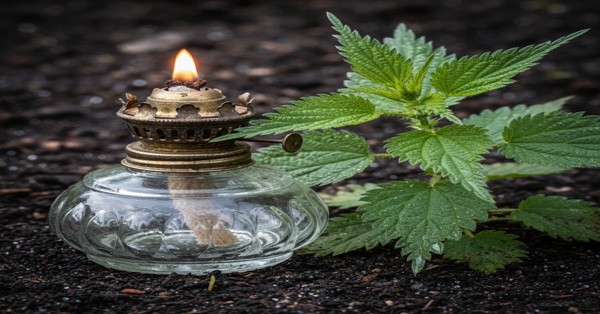
Throughout history, people have relied on creative and sometimes harsh remedies to ease pain when modern medicine was not available. One such traditional practice, remembered in various rural regions, involved rubbing kerosene on aching joints, whipping the area with nettles, and then wrapping it in a warm wool shawl overnight. Though this method is not safe or medically endorsed today, it remains an interesting part of folk healing traditions and cultural memory.
Below is a description of how this ritual was performed and what people believed about it.
How the Traditional Procedure Was Done
This old remedy consisted of several steps, each believed to contribute to relieving joint pain.
1. Applying a Thin Layer of Kerosene
People would begin by rubbing a small amount of kerosene onto the painful joint. It was believed that kerosene produced warmth and “penetrated” deep into the tissues, softening discomfort. This was usually done in the evening, before bed.
2. Whipping the Area with Fresh Nettles
Once the kerosene was applied, the area was lightly whipped with nettles. The stinging sensation caused by nettle hairs created an intense burning and tingling feeling. In folk belief, this effect increased blood flow, “woke up” the area, and helped disperse stiffness or pain.
3. Wrapping the Joint in a Wool Shawl
After the stinging subsided slightly, the joint was wrapped tightly in a thick wool shawl. Wool was believed to keep warmth inside for many hours, allowing the “healing heat” to work through the night.
4. Leaving the Wrap Overnight
The person would sleep with the shawl still on. By morning, the skin was usually red and sensitive, and many claimed the joint felt lighter or less painful—though this relief likely came from the strong irritation rather than actual healing.
Why People Believed This Method Worked
Although the remedy had no true therapeutic effect, it made sense to people at the time for a few reasons:
Strong irritation distracts from deeper pain — a phenomenon now known as counter-irritation.
Heat provides natural comfort, reducing muscle tension around joints.
Nettles increase surface blood flow, causing a temporary feeling of relief.
Cultural tradition and belief played a powerful role; if ancestors swore by a remedy, it gained strong credibility.
Lack of medical access meant people experimented with whatever materials they had.
This ritual blended physical sensation with cultural meaning, making it feel effective even when it wasn’t medically beneficial.
Risks Known Today
Modern understanding shows that this practice can be dangerous:
Kerosene is toxic and can cause chemical burns on the skin.
Nettle whipping can trigger allergic reactions or break the skin.
Combining irritation with heat increases the risk of further damage.
This method does not treat joint diseases such as arthritis.
Because of these risks, the remedy is viewed today only as a historical and ethnographic curiosity—not a safe treatment.
Why Such Traditions Still Interest Us
Even though this method is no longer practiced, learning about it helps us understand:
How people coped with pain long before modern healthcare.
How cultural beliefs shaped medical practices.
How natural materials and household items were transformed into healing rituals.
The creativity and resourcefulness of earlier generations.
Folk remedies like this are part of cultural memory and offer insight into older ways of living and healing.
Modern, Safe Alternatives for Joint Pain
Today, safer and more effective options include:
Warm compresses or heating pads
Light stretching or gentle exercise
Anti-inflammatory creams or gels
Physical therapy
Medical evaluation for chronic joint issues
These methods offer real support without the risks of older practices.
Conclusion
The combination of kerosene rubbing, nettle whipping, and wrapping the joint in a wool shawl was once used as a folk remedy for joint pain. While historically interesting, it is not safe and not recommended today. Still, such traditions remind us of how people once sought relief with the tools and knowledge available to them, creating rituals that blended belief, sensation, and culture.