






A Recipe That Will Help You Easily Get Rid of Corns! You Should Know This!
Corns on the little toes of my feet are something I seem to have inherited. Many of my father’s relatives suffered from the same problem. It does not take much for them to appear — sometimes wearing a new pair of shoes just once is enough for a painful corn to form. No matter how careful I try to be, friction and pressure quickly cause hardened skin to develop.
During the winter, I somehow tolerate the discomfort because closed shoes hide the problem. But in the summer, my struggle truly begins. I remove them, and they come back again. Because of this constant cycle, I have almost stopped buying open shoes altogether. Instead of enjoying light sandals, I find myself choosing footwear that hides my feet, simply to avoid embarrassment and pain.
One day, I complained about my problem to a pharmacist I knew. While I was talking, an elderly woman standing nearby overheard our conversation. When I left the pharmacy, she gently stopped me and said, “I used to be a cosmetologist. Removing corns was one of the most common things I did. Nowadays, no one seems to need my old recipes anymore, but I will teach you — if you are willing to try.”
Of course, I agreed. Here is what she shared with me.
Onion and Vinegar Remedy
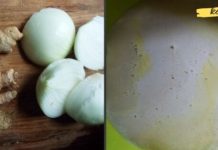
Take a medium-sized onion, peel it, and cut it in half. Place the halves in a bowl and pour enough vinegar over them to cover completely. Leave the onion in the vinegar for 24 hours in a warm place.
The next day, remove one layer from the onion and place it directly onto the corn. Secure it with a bandage or gauze. Replace the onion layer twice a day.
According to the woman, the natural acids in vinegar combined with the softening properties of onion help gradually break down hardened skin. With regular application, the corn becomes softer and easier to remove.
Garlic Paste Treatment
Another effective method involves garlic.
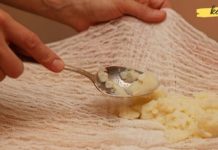
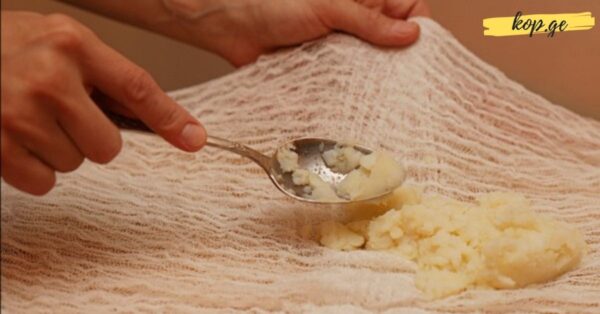
Take 5–6 cloves of garlic and lightly roast them. Allow them to cool, then add one tablespoon of olive oil. Mash and mix thoroughly until you obtain a paste-like consistency.
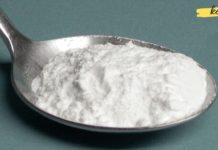
Before applying the paste, soak your feet in warm water with baking soda. This helps soften the hardened area. After soaking, apply the garlic paste directly onto the corn and cover it with a bandage.
Garlic is known for its natural antimicrobial and softening properties. When combined with olive oil, it forms a nourishing mixture that may help loosen tough skin layers over time.
Lemon Compress
Lemon can also be helpful in removing corns.
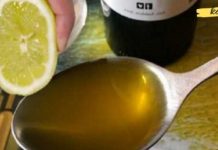
Before going to bed, soak your feet in a hot foot bath to soften the skin. Then cut a lemon into four pieces. Take one quarter and place it over the hardened area, with the pulp side touching the skin. Wrap it securely and leave it on overnight.
Repeat this process for three days. After that, take another hot foot bath. By then, the corn should be significantly softened and can often be removed easily with gentle care.
The natural fruit acids in lemon act as mild exfoliants, helping to gradually dissolve thickened skin.
An Old Traditional Egg and Vinegar Ointment
Our ancestors also had a remedy for calloused hands and corns.
Pour vinegar into a glass and place one fresh, raw egg (in its shell) into it. Leave it for eight days. Over time, the vinegar dissolves the eggshell completely, creating an ointment-like substance.
After the shell has dissolved, mix the contents thoroughly. Apply this mixture to the corn and wrap the area with a bandage.
Within a few days, the ointment softens the hardened skin so effectively that the corn may fall off on its own. If not, it usually becomes soft enough to remove with minimal assistance.
Why Do Corns Form?
Corns develop as a protective response to repeated friction or pressure. Tight shoes, high heels, poorly fitting footwear, or abnormal foot structure can all contribute to their formation. The skin thickens to protect itself, but over time, this thickening can become painful.
Prevention Tips
While home remedies may help remove corns, prevention is equally important:
* Choose properly fitting shoes with enough space for your toes.
* Avoid high heels or narrow shoes for extended periods.
* Use protective pads or cushions in areas prone to friction.
* Moisturize your feet regularly to prevent excessive dryness.
* Gently exfoliate thickened skin after soaking your feet.
It is also important not to cut corns aggressively at home, as this may lead to infection or injury. People with diabetes or circulation problems should be especially cautious and consult a healthcare professional before attempting home treatments.
A Gentle Reminder
Natural remedies can be helpful and affordable solutions passed down through generations. However, not every remedy works the same way for everyone. Skin sensitivity, allergies, and underlying health conditions should always be considered.
The recipes and advice published on kop.ge are not harmful to health. However, it is advisable to consult a doctor before trying any medicinal remedy, especially if you have chronic conditions or if the corn becomes inflamed, infected, or extremely painful.
Sometimes, the wisdom of older generations offers simple solutions using ingredients found in almost every kitchen. Whether you choose onion, garlic, lemon, or the traditional vinegar and egg ointment, consistency and patience are key.
If you have been silently struggling with corns and avoiding open shoes like I did, perhaps one of these methods may finally bring you relief.