



A Kidney-Cleansing Herb: The Power of Nettle in Folk Medicine
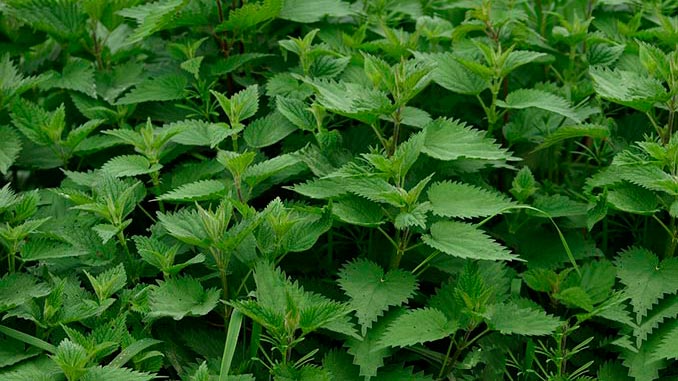
For centuries, cultures across Europe, Asia, and the Caucasus have turned to the humble nettle plant as one of the most reliable natural helpers for general well-being. While modern medicine provides advanced diagnostics and treatments, nettle—particularly Urtica dioica, commonly known as stinging nettle—has preserved its reputation as a traditional botanical used to support the body’s natural processes. Among its many uses in folk traditions, nettle is often mentioned for its association with “kidney cleansing,” a phrase commonly used in herbal folklore to describe a general sense of refreshing the body, supporting fluid balance, and promoting overall vitality.
It is important to note from the start that the concept of “kidney cleansing” is traditional rather than scientific: the kidneys do not literally need to be “flushed” or detoxified with herbs. They already cleanse themselves naturally, and any medical concerns require professional evaluation. However, longstanding cultural practices surrounding nettle are worth exploring, both for their historical significance and for the role the plant continues to play in herbal traditions today.
A Plant Rooted in History and Tradition
Nettle has been documented in folk medicine texts dating back hundreds of years. In different regions, it was seen as a multipurpose plant—one that could be cooked as food, brewed as tea, or used as an ingredient in tonics and infusions. Historically, people believed nettle to be a strengthening plant: something that “woke up the system” after long winters, supported vitality, and helped the body feel lighter.
The reputation of nettle as a “kidney-supporting” herb likely comes from two key traditional observations:
Its use in promoting normal urination.
Folk practitioners noted that nettle tea or infusion seemed to help the body release excess water, leading them to associate it with cleansing and balancing.
Its mineral-rich content.
Because the plant contains nutrients such as iron, calcium, magnesium, and potassium, traditional healers believed it nourished the body while also helping eliminate excesses.
These interpretations persisted for generations, which is why today nettle is still widely present in herbal tea blends marketed for “detox,” “purification,” or “kidney support”—terms that, again, belong to tradition rather than clinical science.
Why Nettle Is Considered So Powerful in Folk Medicine
Even without strong clinical claims, several characteristics of nettle make it stand out among botanicals in traditional healing systems:
1. It is naturally associated with fluid balance.
Many cultures viewed nettle as an herb that helped maintain the body’s natural water rhythms. Drinking warm nettle tea was believed to reduce the sensation of heaviness or puffiness after salty meals or long days.
2. It has a “warming” effect in traditional herbal theory.
Despite its prickly nature, nettle was often classified as a plant that increased circulation and supported overall energy flow. This was connected to the idea that improved circulation and hydration helped the body feel cleansed.
3. It was easy to gather and prepare.
Growing abundantly in the wild, nettle became a household herb. People dried it for winter, turned it into simple teas, and even used young leaves in soups. Because it was accessible, nearly everyone had experience with it.
4. It symbolized renewal.
In many countries, nettle was one of the first green plants to appear in early spring. This seasonal rebirth reinforced the belief that it could “refresh” the body after periods of stagnation.
These cultural and experiential observations kept nettle firmly rooted in the folk medicine tradition.
Common Traditional Methods of Using Nettle
In herbal folklore, nettle is used in several simple, home-friendly forms. The methods below reflect cultural practices, not medical recommendations or proven treatments:
• Nettle Tea
Perhaps the most widespread method. Dried nettle leaves are steeped in hot water to produce a mild, earthy beverage. Many traditional users drank it once or twice a day during seasonal “cleansing periods,” usually in spring.
• Nettle Infusion (Stronger Brew)
In some traditions, people made a more concentrated drink by soaking a larger amount of dried nettle in hot water for several hours. The taste becomes richer and more mineral-like.
• Nettle as Food
In many regions, young nettle leaves are cooked similarly to spinach. Folk wisdom treated nettle soup or steamed nettle as a strengthening food, especially after winter.
• Nettle Tinctures
Some households prepared alcohol-based extracts of nettle roots or leaves, used in small, occasional amounts as part of traditional tonics.
• Topical Preparations
Though unrelated to kidneys, nettle was also used externally in folk practices for the sensation of warmth it produced.
These uses highlight nettle’s versatility and the strong presence it held in household remedies.
Modern Interest and Research Inspiration
In recent years, science has taken a cautious interest in studying components of nettle—its antioxidants, minerals, and biologically active compounds. While research is still ongoing and not conclusive, this modern curiosity echoes the plant’s long-standing traditional reputation.
People today often choose nettle tea as a general wellness drink, not as a medical solution. Many enjoy it for:
its mild, earthy flavor
the comforting tea-drinking ritual
its cultural associations with cleansing and vitality
Such uses are typically considered part of personal lifestyle choices rather than health treatments.
A Balanced Perspective
It is essential to distinguish between traditional beliefs and medical facts:
Folk medicine views nettle as a plant that supports the body’s natural functions and fluid balance.
Modern medical science does not classify nettle as a treatment for kidney diseases or kidney cleansing.
Anyone with kidney-related conditions, chronic illnesses, or medications should consult a healthcare professional before introducing concentrated herbal products.
Still, when used as a simple herbal tea or culinary plant, nettle remains a culturally meaningful part of many households, appreciated for its taste, history, and symbolism.
Conclusion
Nettle’s reputation in folk medicine as a “kidney-cleansing herb” reflects centuries of tradition, observation, and cultural belief. While not a medical remedy, nettle continues to occupy a respected place in herbal practices as a refreshing, nourishing botanical associated with vitality and balance. Its longevity in human history—both as food and as folklore—makes it a fascinating example of how a modest wild plant can grow into a symbol of natural renewal.