






The Healing Properties of Quince: I’m Amazed at How Much This Fruit Can Do
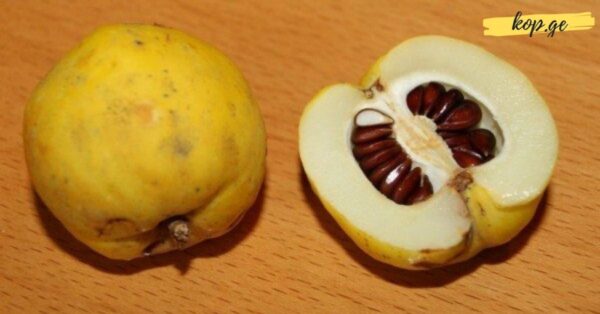
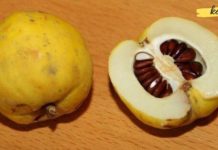
Quince is an ancient fruit that has been used for centuries in traditional medicine to treat a wide range of health conditions. Its benefits extend across multiple systems of the body, making it one of the most versatile natural remedies. Historically, quince has been used to support digestive health, kidney function, cardiovascular well-being, and even respiratory issues such as bronchial asthma. It is also effective for managing diarrhea, anemia, heavy uterine bleeding, and more. Quince has diuretic properties, helps restore blood health, acts as an antiseptic, and functions as an expectorant to relieve coughing and respiratory discomfort.
For Cough Relief
To alleviate coughing, one tablespoon of quince seeds can be poured with one cup of boiling water. Place the mixture over steam for about twenty minutes, then strain it. Take half a cup of this infusion three times a day, preferably before meals. This method helps soothe the throat, reduce inflammation, and ease the cough, providing natural respiratory relief without the need for chemical medications.
For Angina and Bronchitis
Quince is also valuable for more serious respiratory conditions. For angina or bronchitis, take 100 grams of quince seeds and boil them in two cups of water until the volume is reduced by half. Strain the mixture and consume two tablespoons of the decoction three times a day. This preparation acts as a gentle expectorant, helping to clear mucus, ease breathing, and reduce irritation in the bronchi and throat.
Digestive Health and Gastrointestinal Support
In traditional medicine, quince pulp and its decoctions are widely used for digestive disorders, as they support the proper functioning of the gastrointestinal tract. Quince helps alleviate heartburn, diarrhea, and even mild cases of jaundice. To prepare a digestive tonic, pour 100 milliliters of boiling water over 10 grams of quince fruit and take one tablespoon before meals. This remedy can be particularly effective for those experiencing reduced appetite or menstrual bleeding, as it strengthens overall digestive efficiency while providing essential nutrients.
Liver Health and Anti-Nausea Benefits
Cooked quince pulp has been used to support liver health and as a remedy to prevent nausea. Its natural compounds help soothe the digestive organs, reduce inflammation, and enhance liver function. This makes it a gentle yet effective alternative to chemical anti-nausea medications.
Iron Deficiency and Anemia
Due to its high iron content, fresh quince is particularly useful for preventing and treating iron-deficiency anemia. It is recommended for individuals with low hemoglobin levels, as it helps restore normal blood function. Additionally, quince can be used to support the body during periods of high fever, helping to replenish essential minerals and nutrients lost during illness.
Menstrual Health
Historically, both fresh quince and dried quince decoctions have been used to manage uterine bleeding. To achieve this, drink a cup of quince tea three times a day. Regular consumption helps regulate bleeding, reduce discomfort, and support overall reproductive health.
Eye and Vision Health
Quince also supports eye health and can improve vision. Eating the fruit regularly provides essential vitamins and antioxidants that nourish the eyes, potentially reducing the risk of age-related vision problems. Its high content of vitamin C and other bioactive compounds helps protect the delicate structures of the eye from oxidative stress.
How to Incorporate Quince into Your Routine
Quince can be consumed in various forms: fresh, cooked, dried, or as a decoction. Fresh quince is ideal for those seeking maximum nutritional benefit, while dried quince and cooked pulp can be used for medicinal purposes. Quince tea or decoctions can be taken daily to support multiple systems, including the immune, digestive, and circulatory systems.
Nutritional and Medicinal Profile
Quince is rich in vitamins, minerals, and antioxidants. It contains vitamin C, which boosts the immune system, and minerals like potassium, calcium, and iron, which support cardiovascular and bone health. The bioactive compounds in quince exhibit anti-inflammatory and antimicrobial properties, making it a natural defense against infections and chronic inflammation.
Practical Tips
When making quince tea or decoctions, always strain the seeds to avoid bitterness.
Consume the fruit and its preparations on an empty stomach for optimal absorption of nutrients.
Quince can be combined with honey for additional soothing effects on the throat and digestive tract.
Quince is a remarkable natural remedy with benefits spanning digestive support, respiratory relief, blood health, menstrual regulation, liver support, and vision enhancement. Its versatile applications in traditional medicine make it a must-have fruit for holistic health care.
Important Note
While quince is generally safe for most people, it is recommended to consult a healthcare professional before using it as a treatment, especially for chronic conditions or during pregnancy.
Kop.ge is a platform dedicated to providing tips and advice on health, self-care, and daily living. Our goal is to share information about natural remedies and home-based recipes that can help improve your well-being, enhance beauty, and simplify daily tasks. All of this can be done safely at home while saving money.
The information you find on Kop.ge can become an integral part of your daily routine. Sharing your experience with family and friends can help more people benefit from practical, natural solutions. Kop.ge demonstrates that maintaining health and wellness does not always require expensive procedures or products. With easily accessible home remedies, you can achieve impressive results safely and naturally.