









Lowering of Human Body Temperature: Causes, What to Do, and How to Raise Body Temperature
A decrease in body temperature is less common than an elevated temperature, and therefore it is often not considered a typical indicator of illness. However, it is important to understand that this is the body’s way of responding to certain conditions or underlying diseases. While mild drops in body temperature may sometimes be harmless, persistent or significant decreases can signal a pathological process that requires attention.
In adults, lower-than-normal body temperature often occurs due to individual characteristics and does not always cause harm. However, more often, hypothermia—a sustained reduction in body temperature—is a sign of an underlying health problem. To normalize body temperature, it is crucial to identify the primary cause responsible for the drop. Persistent low temperature is often an indicator of a developing disease or dysfunction within the body.
What Body Temperature Is Considered Low in Adults?
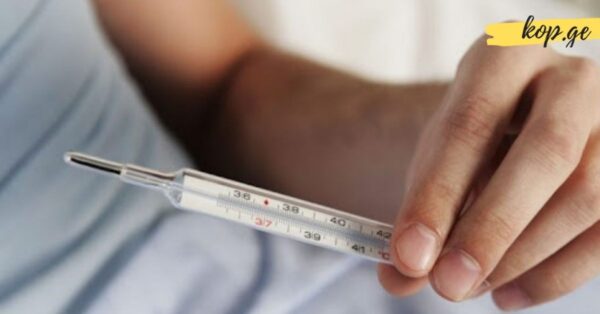
During the day, body temperature naturally fluctuates. In both men and women, it tends to be slightly lower in the morning and rises in the evening. For a healthy adult, a temperature below 36°C (96.8°F) for a prolonged period is considered low.
Why Is Low Body Temperature Dangerous?
A body temperature below normal can be harmful because it impairs the functioning of multiple vital systems:
Brain: Low temperature can slow cognitive processes and reduce alertness.
Vestibular system: May cause dizziness or balance disorders.
Metabolic processes: Slowed metabolism can lead to fatigue and reduced energy.
Nervous system: Impaired nerve function may cause numbness or tingling.
Heart: Cardiac performance may decline, increasing the risk of arrhythmias.
Temperatures below 35.5°C (95.9°F) in adults are often associated with certain medical conditions. Recognizing these signs is essential for early intervention.
Common Causes of Low Body Temperature
1. Cold and Viral Infections
During severe colds or viral illnesses, the body may experience hypothermia. In such cases, it is essential to:
Warm the room.
Rest in bed.
Use warm compresses or blankets for the feet.
Avoid rubbing the body with alcohol or vinegar, as these can exacerbate heat loss. During ARVI (Acute Respiratory Viral Infection), low body temperature may accompany tachycardia due to the body’s weakened state.
2. Dehydration
Poisoning or severe dehydration can reduce body temperature. Toxic substances in the bloodstream lead to weakness, lowered blood pressure, and in severe cases, fainting or seizures. In these situations:
Seek immediate medical assistance.
Drink fluids such as carbonated water, green tea, or dried fruit compote while awaiting professional help.
3. Anemia
A reduced number of red blood cells and low hemoglobin levels can cause oxygen deficiency, leading to low body temperature, fatigue, and pale skin. Supporting iron intake and monitoring blood levels is crucial in such cases.
4. Adrenal Gland Disorders
Symptoms may include abdominal pain, frequent dizziness, fainting, nausea, and heart insufficiency. Adrenal disorders require treatment under the supervision of a qualified specialist.
5. Liver Failure
Liver dysfunction can disrupt thermoregulation and cause glycogen deficiency. Common symptoms include:
Loss of appetite
Sudden weight loss
Nausea
Memory decline
Yellowing of the skin
Diagnosis often requires biochemical blood tests and abdominal ultrasound.
6. Endocrine Disorders
In diabetes, symptoms include frequent urination, strong thirst, dry mouth, numbness in extremities, weight loss, and increased appetite. Thyroid dysfunction affects the body’s water-salt balance, which can lead to fluctuating body temperature—high initially, followed by low readings.
Other indicators include:
Dry skin
Weight gain
Constipation
Severe swelling
Testing blood sugar levels and evaluating thyroid hormone levels is recommended.
What to Do When Body Temperature Is Low
To stabilize body temperature, make lifestyle changes:
Exercise regularly and take contrast showers daily.
Sleep in a well-ventilated room.
Maintain a balanced diet and drink at least 2 liters of water daily.
Consume small amounts of dark chocolate, strong coffee, herbal teas, or warm milk with honey.
Take vitamins to strengthen the immune system.
Avoid alcohol and smoking.
Prioritize rest, avoid sleep deprivation, overwork, and stress.
Wear appropriate clothing to maintain warmth but avoid overheating.
Avoid taking medications without a doctor’s recommendation.
Following these steps helps cleanse the body of toxins, dilate blood vessels, normalize metabolism, and improve blood circulation.
Monitoring and Follow-Up
After implementing these measures, it is essential to re-measure body temperature. If it returns to normal, monitor it for several days to ensure stability. Any persistent decrease or increase in temperature should prompt a visit to a doctor for further examination.
Conclusion
Lowered body temperature in adults can range from harmless variations due to individual characteristics to serious indications of disease. Understanding the causes—whether infections, dehydration, anemia, endocrine or liver disorders—is crucial for proper management.
Lifestyle adjustments, diet optimization, hydration, and monitoring are effective first steps in raising body temperature naturally. Regular check-ups and professional consultations ensure any underlying conditions are treated promptly.
Maintaining a normal body temperature is essential for optimal brain function, metabolism, cardiovascular health, and immunity. By following these comprehensive recommendations, individuals can protect their health, enhance energy levels, and prevent complications related to hypothermia.