



What Should We Do in Case of Atherosclerosis? These Tips Will Help You!

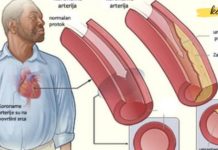
Atherosclerosis is one of the most widespread diseases of modern society. It develops silently over many years and often remains unnoticed until it causes serious complications. People who do not follow a healthy diet, fail to engage in regular physical activity, and live under constant stress are particularly at risk. In such conditions, cholesterol gradually accumulates on the walls of arteries, leading to the formation of plaques and scar tissue that narrow blood vessels and impair normal blood flow.
The fight against atherosclerosis should not begin only after the disease has fully developed. On the contrary, prevention and early intervention are crucial. Ideally, preventive measures should start as soon as early functional disorders appear, such as neurovascular (neurocirculatory) dystonia or early signs of metabolic imbalance.
Atherosclerosis develops slowly—sometimes over decades—progressively damaging the vascular system and making it difficult for blood to transport oxygen and nutrients to organs and tissues. As blood flow becomes restricted, the risk of serious conditions such as heart attack, stroke, and peripheral artery disease increases significantly.
Main Factors Contributing to Atherosclerosis
There are five major factors that play a key role in the onset and progression of atherosclerosis:
Nervous system disorders
Chronic stress, anxiety, and emotional instability can disrupt the balance between fats and proteins in the body, leading to unfavorable metabolic changes that promote cholesterol buildup.
Endocrine and metabolic disorders
Hormonal imbalances, diabetes, and slowed metabolism can interfere with the body’s ability to process fats properly, increasing cholesterol levels in the blood.
Dietary factors
Excessive consumption of cholesterol-rich foods, along with large amounts of animal proteins and fats, significantly increases the risk of atherosclerosis.
Sedentary lifestyle
Lack of physical activity slows circulation, reduces metabolic efficiency, and contributes to weight gain—all of which promote plaque formation in arteries.
Genetic predisposition
Heredity also plays an important role. If close family members suffer from atherosclerosis or cardiovascular disease, the risk is higher.
Types of Atherosclerosis
Although atherosclerosis affects all arteries to some extent, it is classified into different types depending on which blood vessels and tissues are most severely affected. Common forms include:
Cerebral atherosclerosis, which affects blood vessels in the brain and may lead to memory problems, dizziness, and stroke.
Atherosclerosis of the lower limbs, which causes leg pain, numbness, and difficulty walking due to reduced blood flow.
Coronary atherosclerosis, which affects the arteries supplying the heart and may result in angina or myocardial infarction.
Treatment and Reversibility
Treating atherosclerosis is a long and complex process. However, its progression can often be slowed, and in some cases, partial regression is possible. Importantly, atherosclerosis is considered reversible in its early stages, making timely intervention essential.
Traditional and folk medicine offer many remedies that are commonly recommended for this condition. Most of these approaches aim to restore and maintain arterial elasticity, remove excess cholesterol from the body, and strengthen the body’s natural defense mechanisms.
That said, it is important to remember that no treatment—no matter how effective—will produce results if the body is overloaded with toxins and metabolic waste. Before starting any treatment program, it is strongly recommended to cleanse the body using one of the many available detoxification methods. This helps prepare the body to respond more effectively to therapy.
Helpful Tips for Managing Atherosclerosis
Below are several practical and widely used recommendations that may help manage atherosclerosis and support cardiovascular health:
1. Activated Charcoal
Activated charcoal binds well to cholesterol molecules and helps remove them from the body. If you take 4–6 tablets daily for one month, cholesterol levels may be reduced by up to 40%. This method should be used cautiously and not continuously without breaks.
2. Fight Obesity
The greater your body weight, the more cholesterol your body tends to produce. One of the most effective ways to combat excess weight is through dietary changes. Ideally, about two-thirds of your daily diet should consist of cereals, vegetables, fruits, and whole grains. Only one-third of your caloric intake should come from meat and dairy products.
3. Limit Egg Consumption
Eggs contain a high amount of cholesterol—approximately 275 mg per yolk. Limit your intake to 3–4 eggs per week. When cooking dishes such as omelets, try using 3–4 egg whites and only one yolk. Egg whites are safe to consume freely, as they do not contain cholesterol.
4. Corn Bran
Corn bran is effective in lowering blood cholesterol levels. It is recommended to take 1–2 tablespoons per day with meals. After one month of regular use, cholesterol levels may decrease by 20–30%.
5. Garlic Intake
Consuming one small clove of garlic daily is highly recommended. Garlic supports vascular health, helps reduce cholesterol levels, improves circulation, and strengthens the immune system.
Final Thoughts
Atherosclerosis is a serious but manageable condition. With early detection, lifestyle changes, proper nutrition, physical activity, and supportive natural remedies, its progression can often be slowed or even partially reversed. Prevention is always more effective than treatment, so adopting healthy habits as early as possible is essential.
This article is based on materials prepared with reference to “The Lord’s Pharmacy.”
Before starting any treatment or preventive program, especially if you have chronic conditions or take medication, it is advisable to consult a healthcare professional.
Taking care of your arteries today means protecting your heart, brain, and overall health for years to come.