




What Should We Take for Heart Pain? Knowing This Is Essential!
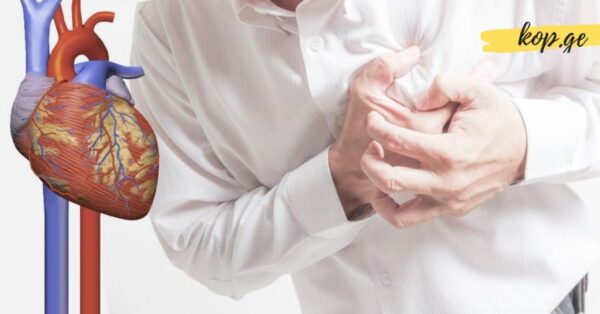
Heart pain is a serious symptom that should never be ignored. It can occur in the course of many different cardiovascular conditions and may vary in intensity, duration, and cause. Understanding the possible reasons for heart pain and knowing how to respond appropriately can be life-saving. At the same time, it is important to remember that self-treatment should never replace professional medical care, especially when symptoms are severe or persistent.
Heart pain may develop in conditions such as myocardial infarction (heart attack), angina pectoris, myocarditis, and cardiosclerosis. Another common cause of pain in the heart area is hypertension. When blood pressure rises sharply—sometimes as high as 180/100 mmHg—even a person who has never experienced heart problems before may feel intense, pressing pain in the chest. In such cases, the pain is not relieved by medications like validol or nitroglycerin. Instead, it subsides only after blood pressure is lowered with appropriate antihypertensive remedies. The faster the blood pressure is reduced to safer levels, the sooner the pain will ease.
Because heart pain can have many causes, it is crucial to distinguish between situations that require emergency medical attention and those where mild supportive measures may help relieve discomfort. Sudden, severe chest pain accompanied by shortness of breath, nausea, dizziness, pain radiating to the arm or jaw, or loss of consciousness requires immediate medical help. However, in milder cases—especially those related to nervous tension, mild rhythm disturbances, or functional heart discomfort—certain traditional remedies may help reduce symptoms.
Below are several traditional herbal recipes that are believed to help alleviate heart pain and discomfort. These remedies have been used in folk medicine for many years and may support overall cardiovascular calmness and well-being when used correctly.
Herbal Remedies for Heart Pain and How to Use Them
1. Valerian and Hawthorn Tincture
Mix valerian alcohol tincture with hawthorn alcohol tincture in equal proportions (1:1). Add 25–30 drops of this mixture to a small amount of water and drink it. Before swallowing, hold the liquid in your mouth for a short time. This combination is traditionally used to calm the nervous system, ease heart tension, and support normal heart rhythm.
2. Lemon Balm (Melissa) Infusion
Prepare an infusion using dried lemon balm leaves: add 2 tablespoons of dried leaves to 300 ml of boiling water. Let it steep, then strain. Take one cup three times a day. This remedy is believed to relieve pain in the heart area and help reduce palpitations and shortness of breath. Lemon balm is well known for its calming effects on both the heart and the nervous system.
3. Green Walnut Tincture
A traditional remedy for heart pain is a walnut tincture prepared with vodka or alcohol. Finely chop 30 unripe (green) walnuts and pour 1 liter of alcohol or vodka over them. Leave the mixture in the sun for 14 days. Take 20 drops three times a day for 3–4 weeks. In folk medicine, this tincture is thought to strengthen the heart and improve circulation.
4. Birch Bud Tincture
To prepare this remedy, fill a glass jar two-thirds full with large birch buds and pour vodka over them until the jar is full. Close the lid and let it sit for 14 days. Do not strain the mixture. Take from 20 drops up to 1 teaspoon three times a day, 30 minutes before meals. This tincture is believed to calm heart pain, reduce shortness of breath, and increase overall vitality.
Important Considerations
While these remedies may help ease mild heart discomfort, they should be used with caution. Heart pain can be a warning sign of serious disease, and delaying proper medical treatment can be dangerous. Herbal tinctures often contain alcohol and active plant compounds that may not be suitable for everyone, especially people with chronic illnesses, liver problems, or those taking prescription medications.
It is also essential to remember that high blood pressure–related heart pain requires blood pressure control rather than sedatives or heart tonics. In such cases, relying solely on folk remedies may mask symptoms without addressing the underlying problem.
Source and Disclaimer
This article is based on materials published by “The Lord’s Pharmacy” and adapted for informational purposes.
Kop.ge is a platform that offers advice on health, self-care, and everyday living. Our goal is to provide information about natural remedies and practical recipes that may help you improve your health, enhance your appearance, and simplify daily tasks. Most importantly, these methods can be used at home, allowing you to enjoy the process while saving a significant amount of money.
Much of the information you discover on our site can become part of your daily routine. You may also share your experiences with friends and family, helping even more people make their everyday lives easier. Kop.ge aims to show that expensive procedures and products are not always necessary to stay healthy, look good, and manage a household effectively. With the help of simple remedies—often found in your kitchen or garden—you can achieve meaningful results.
The recipes and advice published on kop.ge are not intended to harm your health. However, before using any medicinal recipe or natural remedy, it is strongly recommended that you consult with a qualified healthcare professional. This is especially important if you have existing medical conditions, are pregnant, or are taking medications.
Your health is invaluable—listen to your body, stay informed, and seek professional care whenever necessary.