


10 Tips to Lower Blood Pressure: Here’s What You Should Do!
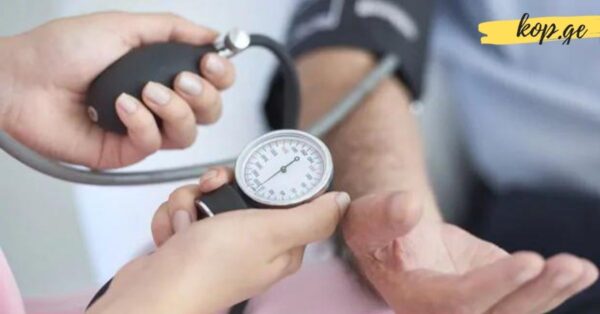
If you often struggle with high blood pressure, these 10 practical tips can help you naturally reduce your blood pressure. By incorporating them into your daily routine, you may notice significant improvements in your cardiovascular health, energy levels, and overall well-being.
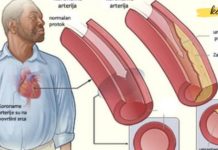
High blood pressure, or hypertension, forces your heart to work harder to pump blood through your arteries, increasing the risk of heart disease, stroke, and kidney problems. The good news is that lifestyle changes, diet, and simple daily habits can make a measurable difference. Here’s a detailed guide on how to lower blood pressure naturally.
1. Take Daily Walks
Exercise is one of the most effective ways to reduce blood pressure. Even moderate physical activity strengthens the heart, improves circulation, and increases oxygen delivery to the body. When your heart becomes more efficient, it doesn’t need to pump as forcefully, which lowers blood pressure naturally.
Brisk walking, cycling, or swimming for at least 30 minutes a day has been shown in studies to reduce both systolic and diastolic blood pressure. Walking in nature or parks also adds the benefit of stress relief, which further helps control hypertension.
2. Practice Deep Breathing
Stress is a major contributor to high blood pressure because it increases the release of stress hormones like cortisol and adrenaline. One of the simplest ways to manage stress is through deep, slow breathing exercises.
Techniques from yoga and meditation, such as inhaling slowly through the nose for four counts, holding the breath for four counts, and exhaling for six to eight counts, can calm the nervous system and reduce blood pressure. Doing this for 5–10 minutes daily can create a noticeable difference over time.
3. Increase Potassium Intake
Potassium helps balance the effects of sodium in the body, which directly influences blood pressure. If you struggle with hypertension, increasing your potassium intake is highly recommended.
Foods rich in potassium include bananas, apricots, raisins, sweet potatoes, tomatoes, beans, avocados, and leafy greens. Eating a potassium-rich diet helps relax blood vessel walls and promotes proper fluid balance in your body, lowering the risk of hypertension-related complications.
4. Eat Dark Chocolate and Cocoa
Consuming dark chocolate with at least 70% cocoa content or raw cocoa beans can improve vascular health. These contain flavonoids, powerful antioxidants that support the elasticity of blood vessels and help improve blood flow.
Studies show that moderate consumption of dark chocolate (about 20–30 grams per day) may lower blood pressure in individuals with prehypertension or stage 1 hypertension. Just remember to choose chocolate with minimal sugar to avoid counteracting the benefits.
5. Drink Green Tea and Hibiscus Tea
Certain teas, especially green tea and hibiscus tea, have been linked to lower blood pressure. Green tea contains antioxidants called catechins, which improve heart health and reduce inflammation. Hibiscus tea has natural compounds that act as vasodilators, helping to relax blood vessels and lower pressure.
Drinking 2–3 cups of these teas daily can be a simple, enjoyable way to support heart health and reduce hypertension naturally. Avoid adding excessive sugar, as it can negate these benefits.
6. Consume Alcohol in Moderation
Moderate alcohol consumption may have some protective effects on blood vessels, but excessive drinking is harmful. For those who drink, limit alcohol to no more than 50 grams per day. Small amounts of wine or spirits may temporarily dilate blood vessels, slightly lowering blood pressure.
Excessive alcohol increases stress on the heart, promotes inflammation, and can significantly raise blood pressure over time. Therefore, moderation is key.
7. Choose Low-Caffeine Drinks
Caffeine can raise blood pressure temporarily and may exacerbate stress or anxiety, both of which contribute to hypertension. Replacing caffeinated drinks like coffee or energy drinks with herbal teas or green tea can help manage blood pressure more effectively.
For those sensitive to caffeine, even a single cup of strong coffee can elevate pressure for several hours. Monitoring caffeine intake and opting for decaffeinated options can make a big difference.
8. Manage Your Time and Workload
Chronic overwork and long hours are linked to increased blood pressure. Studies show that people who work more than 40–41 hours per week have a higher risk of developing hypertension.
Prioritize tasks, schedule breaks, and make time for physical activity and relaxation. Maintaining a healthy work-life balance is essential not only for lowering blood pressure but also for mental and emotional well-being.
9. Meditate with Calming Music
Meditation can be extremely effective in lowering blood pressure, especially when combined with soothing music. Listening to your favorite calming or classical music for 30 minutes daily can reduce stress and relax the heart and blood vessels.
Even if you find formal meditation challenging, simply sitting quietly, focusing on your breath, and listening to music can reduce internal tension and promote lower blood pressure.
10. Maintain a Healthy Weight and Lifestyle
Weight management is one of the most important factors in controlling blood pressure. Being overweight increases the workload on your heart, narrows arteries, and raises blood pressure. Eating a balanced diet, staying physically active, reducing processed foods, and limiting salt intake are key steps toward a healthier cardiovascular system.
Regular monitoring of your blood pressure at home can help you understand how these lifestyle changes are working and provide motivation to maintain healthy habits.
Conclusion
By following these 10 simple strategies—walking, deep breathing, eating potassium-rich foods, enjoying dark chocolate, drinking green or hibiscus tea, moderating alcohol, limiting caffeine, managing time and stress, meditating with calming music, and maintaining a healthy weight—you can naturally lower your blood pressure and improve your overall health.
Remember, high blood pressure is often called the “silent killer” because it can damage your heart, kidneys, and blood vessels without noticeable symptoms. Making these small daily changes can protect your heart, enhance your energy, and improve your quality of life over the long term.
Taking care of your blood pressure is a lifelong commitment, but with consistency, patience, and the right habits, you can see meaningful results.